



Introduction
The debate surrounding vaping has become increasingly important across the United Kingdom. Governments, health experts and consumers continue discussing its potential benefits and risks. However, many people still wonder whether vaping restrictions are based on scientific evidence or public concerns.
The question, Is Vapes law uk Backed by Science or Just Vape Hype? deserves a closer examination. UK vaping regulations aim to protect public health while allowing adult smokers access to alternatives. These rules address product safety, nicotine exposure, underage sales and environmental concerns.
Scientific research provides important evidence behind these decisions. Nevertheless, vaping remains a developing area of public health research. Understanding the difference between established evidence and emerging concerns helps consumers make informed decisions.
Understanding Why the UK Regulates Vaping
Vaping products have become widely available throughout the UK. They offer nicotine without burning tobacco, making them different from traditional cigarettes. However, their growing popularity has created new regulatory challenges.
The government regulates vaping to protect consumers and prevent inappropriate access. Particular attention focuses on children, teenagers and people who never smoked.
The Is Vapes law uk Backed by Science or Just Vape Hype? discussion becomes clearer when examining these public health priorities.
UK regulations establish requirements for product ingredients, nicotine strength, packaging and marketing. These measures aim to improve product consistency and reduce potential exposure to harmful substances.
The government also considers environmental problems associated with disposable vaping products. Consequently, legislation addresses more than individual health risks.
What Does Scientific Research Say About Vaping?
Scientific evidence provides an important foundation for understanding vaping regulations. However, it is essential to distinguish vaping from traditional cigarette smoking.
Vaping Compared With Traditional Smoking
Traditional cigarettes burn tobacco and release thousands of chemicals. Many substances in tobacco smoke are associated with cancer, cardiovascular disease and respiratory conditions.
Vaping works differently. Electronic devices heat liquids to produce an aerosol for inhalation. This process does not involve burning tobacco.
According to NHS guidance, vaping exposes users to fewer harmful toxins than smoking. It is also considered substantially less harmful than continuing to smoke cigarettes.
However, this does not mean vaping is completely harmless. Aerosols can contain potentially harmful substances, while nicotine remains addictive.
Therefore, the scientific position is balanced. Adult smokers may benefit from switching completely, but non-smokers should avoid starting.
Nicotine Addiction and Public Health
Nicotine plays an important role in vaping regulations. It can create dependence and encourage repeated consumption.
Young people are particularly important in this discussion. Their developing brains may be more vulnerable to nicotine exposure.
Scientific uncertainty also remains concerning the long-term consequences of regular vaping. Researchers continue investigating respiratory health, cardiovascular effects and prolonged nicotine exposure.
These concerns help explain why the government supports restrictions on underage access.
Major UK Vape Laws and Their Scientific Purpose
UK vaping legislation has developed alongside changing research and public health priorities.
Restrictions on Disposable Vapes
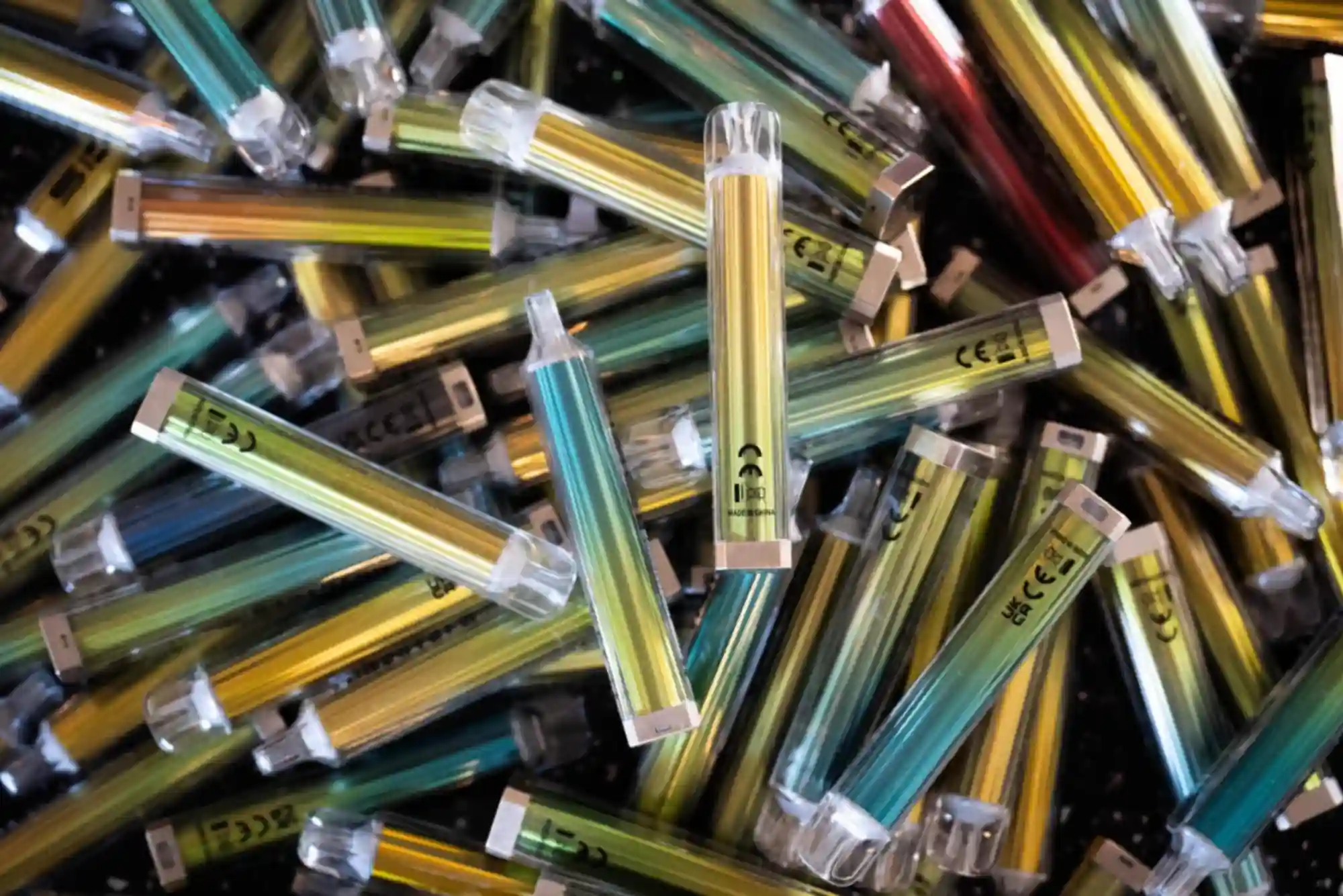
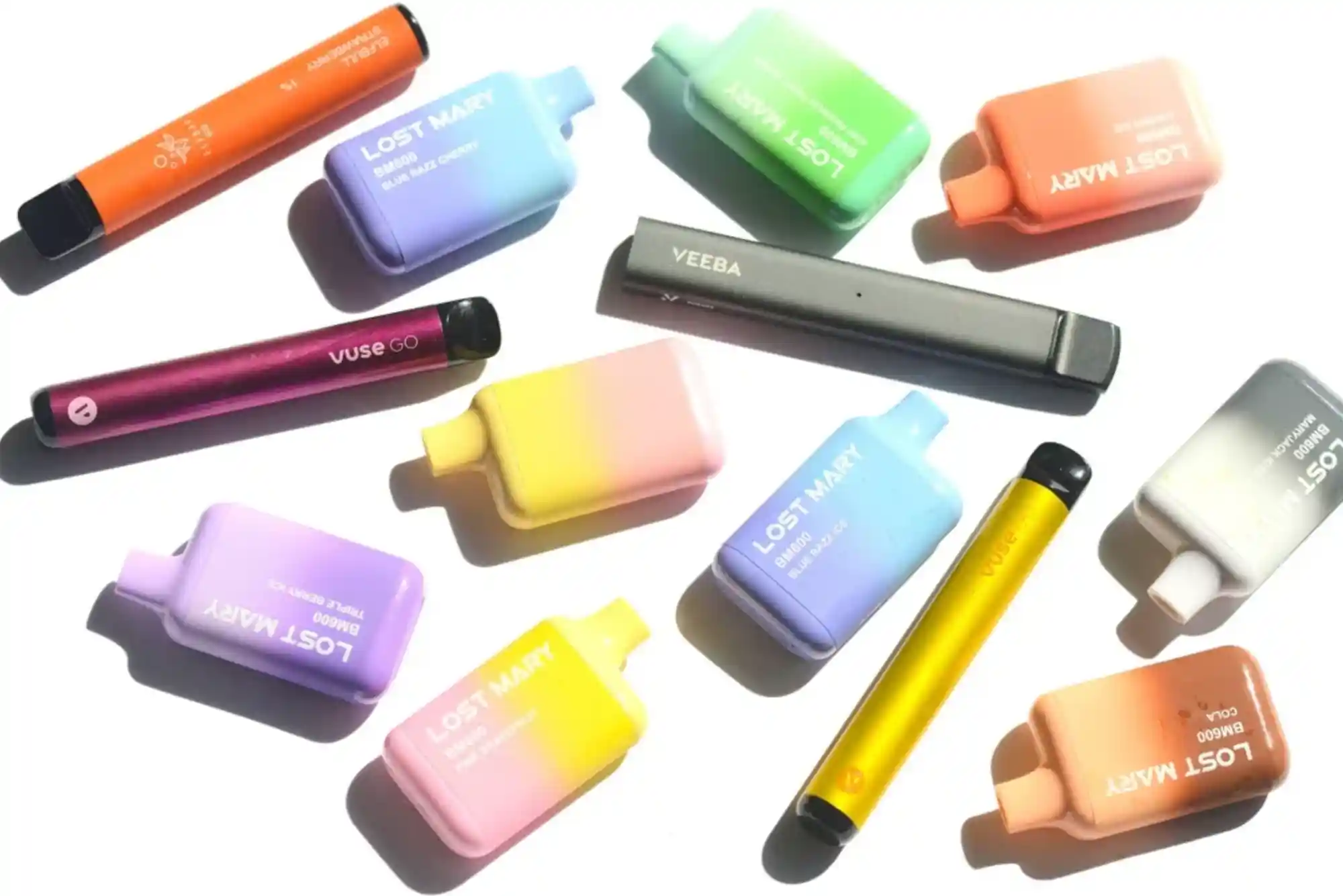
One significant development was the UK disposable vape ban.
From 1 June 2025, businesses became prohibited from selling or supplying single-use vapes. The restriction covers online and physical retailers.
It applies to disposable products regardless of whether they contain nicotine.
The decision addressed several concerns. Disposable products create electronic waste, contain batteries and can contribute to environmental pollution.
Their popularity among young people also raised concerns about accessibility and consumption habits.
Reusable vaping products remain available, provided they satisfy applicable regulations.
Age Restrictions on Vaping Products
Protecting young people remains another important regulatory objective.
Under the Tobacco and Vapes Act 2026, the age restriction was extended to cover all vaping and nicotine products.
From 29 October 2026, retailers cannot sell these products to anyone under 18. Adults also cannot purchase them on behalf of minors.
These restrictions apply to online and physical sales.
The legislation reflects concerns about nicotine addiction and the increasing availability of vaping products among younger consumers.
Product Safety and Nicotine Limits
Product safety requirements help establish consistent standards throughout the market.
UK regulations restrict nicotine concentrations in regulated consumer vaping products. The maximum permitted nicotine strength is 20mg/ml.
Nicotine-containing e-liquids are also subject to requirements concerning container sizes, ingredients and packaging.
Manufacturers must provide relevant product information through the appropriate regulatory notification process.
These requirements help consumers identify products that meet applicable UK standards.
Is Vaping Actually Safer Than Smoking?
This question is central to understanding the science behind UK vaping regulations.
Evidence reviewed by UK health experts indicates that vaping presents a considerably smaller risk than smoking in the short and medium term.
However, the comparison requires careful interpretation.
Vaping is not risk-free, and researchers still need more evidence about long-term exposure.
People who have never smoked should not interpret the lower relative risk as encouragement to start vaping.
For existing smokers, completely replacing cigarettes with regulated nicotine vaping products can reduce exposure to many harmful chemicals.
Continuing to smoke while regularly vaping does not provide the same potential health benefits as switching completely.
The NHS recommends seeking appropriate support when using vaping as a smoking cessation method.
Is UK Vape Regulation Based on Evidence or Public Pressure?
The question, Is Vapes law uk Backed by Science or Just Vape Hype?, also involves understanding how governments develop public health policies.
Regulations generally respond to several sources of information. These include scientific research, public health recommendations, consumer behaviour and environmental evidence.
Not every restriction addresses the same problem.
For example, nicotine limits concern product composition and exposure. Age restrictions address addiction risks among young people. Disposable vape restrictions also consider waste management and environmental protection.
Public opinion can influence political decisions. However, scientific research provides an important basis for evaluating health-related concerns.
The challenge is maintaining proportionate regulations. Excessively restrictive policies could discourage adult smokers from switching to potentially less harmful alternatives.
Conversely, insufficient controls could increase youth access and expose consumers to poorly regulated products.
Where Can Consumers Find Reliable UK Vape Guidance?
Consumers should avoid relying entirely on social media discussions and commercial advertising.
Official government guidance provides information about product requirements, legal responsibilities and regulatory changes.
The GOV.UK website offers useful information for consumers, manufacturers and retailers. Readers can explore GOV.UK — e-cigarette regulation & consumer guidance for official government information and relevant regulatory guidance.
The NHS also provides independent information about vaping, smoking cessation and potential health risks.
Checking reliable sources helps consumers separate scientific evidence from marketing claims.
Retailers should also understand their legal responsibilities. Selling prohibited products or supplying vaping products to underage customers can result in enforcement action.
What Does the Future Hold for UK Vaping Laws?
UK vaping regulations will likely continue developing as scientific evidence becomes available.
Researchers are investigating the long-term effects of vaping and its potential relationship with respiratory and cardiovascular health.
Meanwhile, policymakers must consider environmental sustainability, illegal products and youth protection.
The Tobacco and Vapes Act 2026 introduced additional measures concerning product sales, advertising and retail regulation.
These developments demonstrate the government’s intention to strengthen oversight.
However, effective regulation should also recognise vaping’s potential role in helping existing smokers quit.
A balanced approach requires continued research, responsible retail practices and accessible public health information.
Science Should Lead the Vaping Debate
So, Is Vapes law uk Backed by Science or Just Vape Hype? The evidence suggests that UK vaping regulations are supported by genuine public health and environmental concerns.
Research indicates that vaping is less harmful than traditional smoking. Nevertheless, it is not completely safe, particularly for young people and non-smokers.
Understanding Minnesota vape and CBD laws helps consumers stay informed about legal requirements, product safety, and responsible use. From age restrictions to CBD regulations, knowing the facts can separate scientific evidence from popular misconceptions. Explore how state policies shape the vaping and CBD landscape and what consumers should know before making informed decisions.
Frequently Asked Questions
Is vaping legal in the UK in 2026?
Yes, vaping remains legal for adults in the UK. However, products must comply with applicable regulations. Selling vaping products to anyone under 18 is illegal.
Are vapes safer than cigarettes?
Evidence indicates that vaping is substantially less harmful than smoking traditional cigarettes. However, vaping is not risk-free, and its long-term health effects remain under investigation.
Why did the UK ban disposable vapes?
The UK introduced the disposable vape ban because of environmental concerns and increasing youth vaping. The ban came into force on 1 June 2025.
Can you buy nicotine-free vapes in the UK?
Adults can legally purchase compliant nicotine-free reusable vapes. However, selling vaping products to anyone under 18 is prohibited under the rules introduced in October 2026.
What is the legal nicotine limit for UK vapes?
The maximum permitted nicotine concentration in regulated consumer vaping products is 20mg/ml. Applicable rules also cover e-liquid containers and product packaging.
Discover useful information and insights about vaping with VapeZX.com, a dedicated online resource for exploring vape products, industry trends, and vaping guides. Whether readers want to learn about vaping options, understand product features, or stay informed about the latest developments, VapeZX offers helpful information to support a more informed browsing experience.
