



Introduction
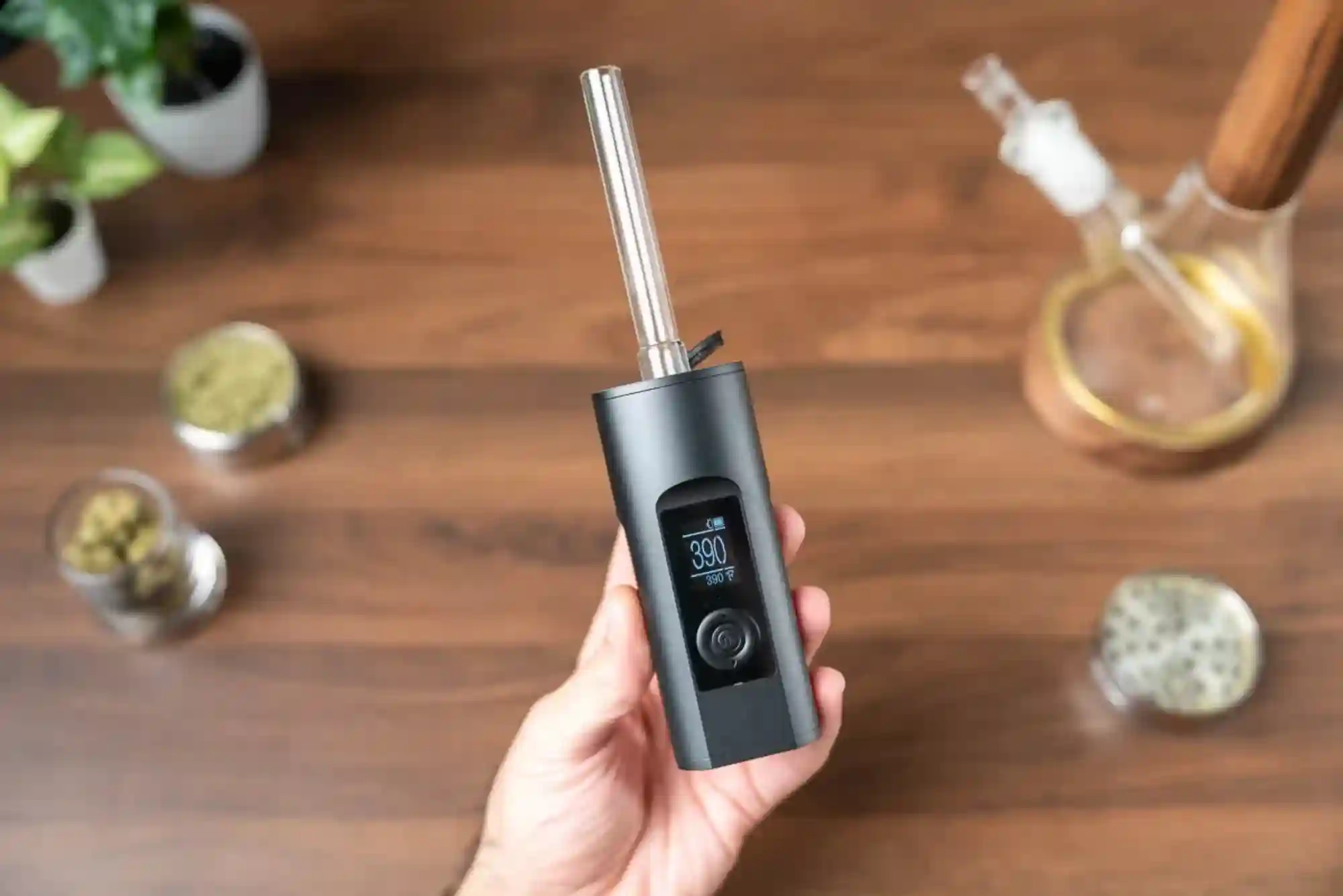
The question “Is Vapes illegal aus Backed by Science or Just Vape Hype?” has attracted considerable attention across Australia. Vaping has become a major public health discussion involving nicotine addiction, young people, smoking alternatives, and government regulation. Some people believe Australia’s strict vaping laws are necessary for protecting public health. Others question whether these restrictions are supported by scientific evidence or driven by public concern.
However, understanding Australia’s vaping regulations requires looking beyond headlines and social media discussions. Scientific research identifies several potential health risks associated with vaping. At the same time, researchers continue investigating its long-term effects and possible role in helping adult smokers quit traditional cigarettes.
Australia has introduced significant regulatory changes to control vaping products. These reforms do not represent a complete ban on every vaping product. Instead, they establish strict conditions for importing, supplying, selling, and accessing therapeutic vapes.
This article explores the science behind Australia’s vaping regulations, examines common misconceptions, and explains what consumers should understand about the current legal situation.
Understanding Whether Vapes Are Illegal in Australia
The phrase “Is Vapes illegal aus Backed by Science or Just Vape Hype?” reflects confusion surrounding Australia’s changing vaping laws. Many people assume that owning or using any vaping device is automatically illegal. However, the actual legal framework is more specific.
The Australian Government introduced major vaping reforms through the Therapeutic Goods and Other Legislation Amendment (Vaping Reforms) Act 2024. These reforms established a national regulatory approach covering vaping products, including devices, accessories, and vaping substances.
Since July 2024, ordinary retailers, including tobacconists, convenience stores, and specialist vape shops, have been prohibited from selling vaping products. Legal access is restricted to therapeutic vaping products supplied through participating pharmacies.
Adults aged 18 and older may access certain therapeutic vapes containing no more than 20 mg/mL nicotine without a prescription. However, pharmacist consultation and applicable state and territory requirements must be followed. Higher nicotine concentrations and access for people under 18 require prescriptions.
Importantly, Australia’s laws focus heavily on commercial supply and distribution. Individual possession for personal use is not automatically a criminal offence under federal vaping reforms.
Therefore, saying that all vapes are completely illegal in Australia is misleading. The country operates a tightly controlled therapeutic supply system.
Is Australia’s Vape Regulation Backed by Scientific Evidence?
Scientific evidence plays an important role in understanding why Australian authorities introduced stricter vaping regulations.
Researchers have identified several health concerns associated with e-cigarette use. These include nicotine dependence, respiratory irritation, exposure to potentially harmful chemicals, and possible cardiovascular effects.
Nevertheless, scientific discussions should distinguish established findings from risks that still require further investigation.
Nicotine Addiction and Brain Development
Nicotine is an addictive substance that can create dependence after repeated exposure. Many vaping products contain nicotine, including products that consumers might incorrectly assume are nicotine-free.
Young people face particular concerns because their brains are still developing. Nicotine exposure during adolescence can affect attention, learning, memory, and mood.
Furthermore, frequent nicotine consumption can create withdrawal symptoms. These may include irritability, restlessness, anxiety, and difficulty concentrating.
These concerns provide a scientific reason for restricting young people’s access to vaping products.
Respiratory Health and Chemical Exposure
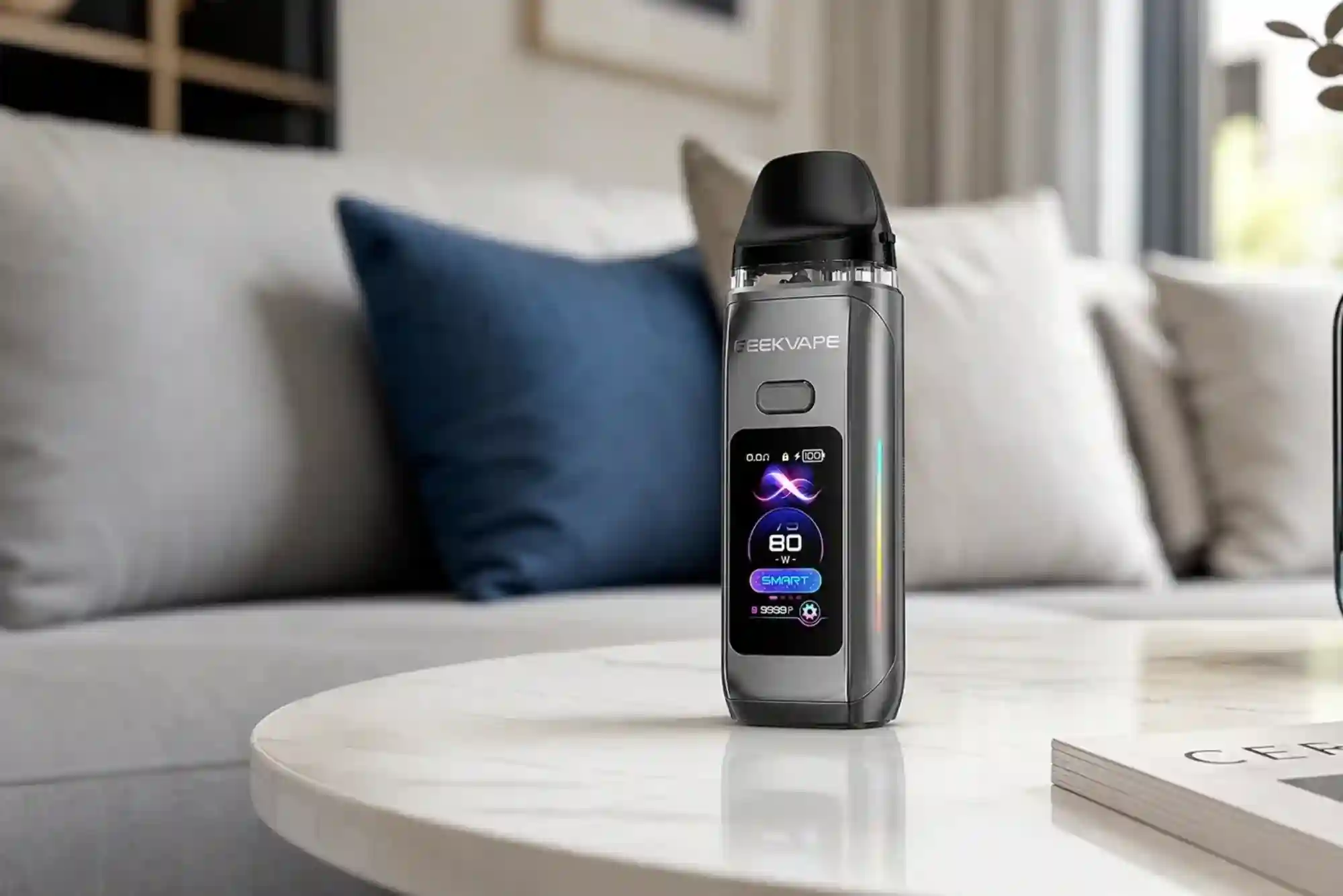
Vapes heat liquid to produce an aerosol that users inhale. Although commonly called vapour, this aerosol can contain various chemical substances.
Depending on the product, users may encounter flavouring chemicals, volatile compounds, and heavy metals. Some substances can irritate the respiratory system.
Reported problems include persistent coughing, throat irritation, and breathing difficulties. Severe nicotine exposure can also cause poisoning and other serious symptoms.
However, the presence and concentration of individual chemicals vary between products. Therefore, scientific assessments should consider product quality, ingredients, and patterns of use.
Long-Term Health Effects
One important issue surrounding vaping is the limited availability of long-term evidence.
Traditional cigarettes have been studied for decades. Consequently, their relationship with lung cancer, cardiovascular disease, and respiratory illness is well established.
Vaping products are relatively recent. Researchers are still examining their long-term effects on the lungs, heart, and other body systems.
This uncertainty does not mean vaping is harmless. Equally, it does not justify presenting every suspected health consequence as scientifically proven.
Australia’s precautionary approach reflects concerns about addiction, product quality, and potential long-term harm.
Why Did Australia Introduce Strict Vaping Laws?
The Australian Government’s regulatory approach focuses on reducing nicotine dependence and protecting younger generations.
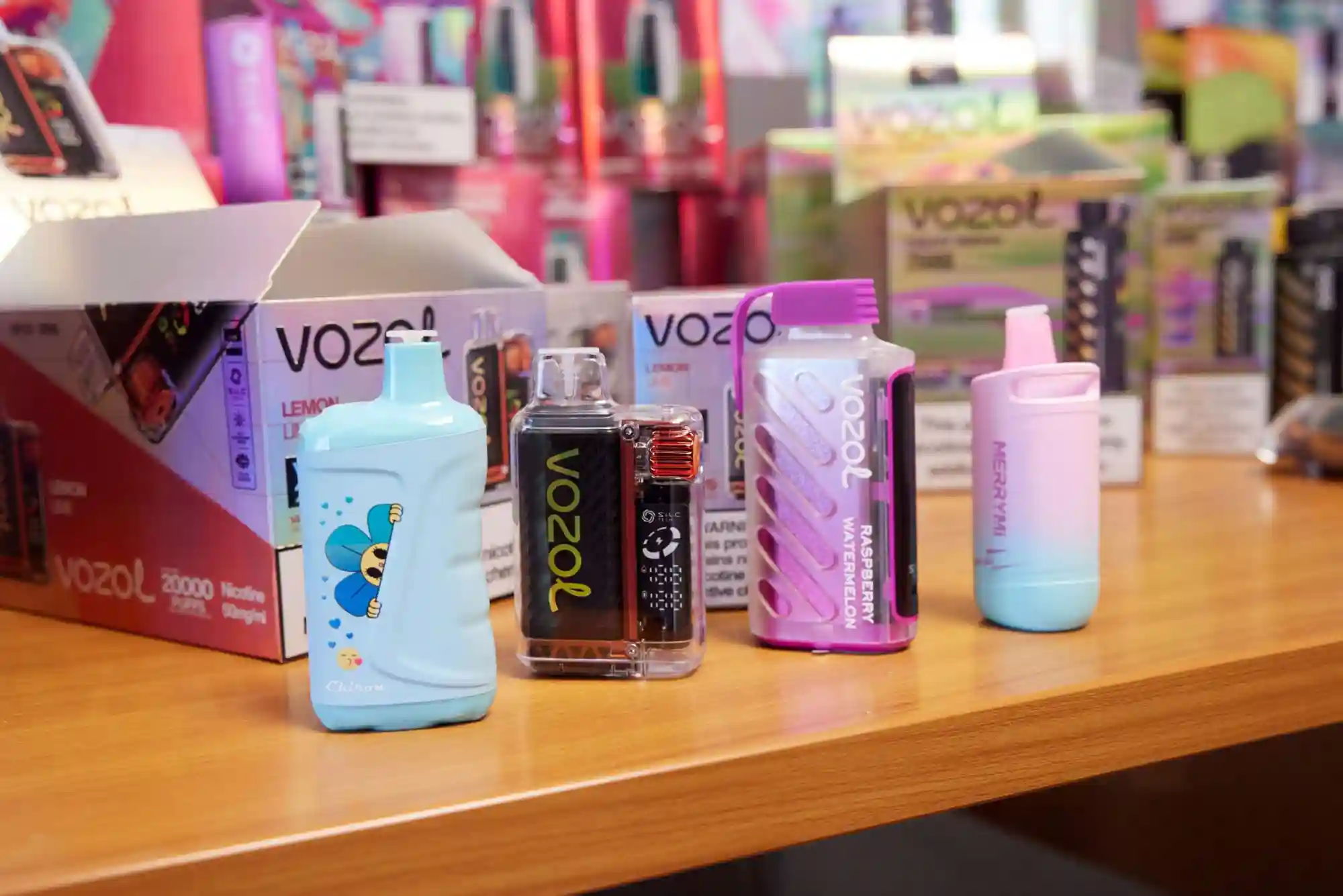
Before the reforms, disposable vapes and colourful packaging became increasingly visible. Some products were marketed through attractive flavours and designs that could appeal to younger consumers.
Authorities also raised concerns about illegal products entering the market. These products might contain undisclosed ingredients or inconsistent nicotine concentrations.
The reforms introduced restrictions on advertising, importing, manufacturing, and commercial supply. They also established pharmacy-based access for therapeutic vaping products.
Another important objective involves reducing the influence of commercial vaping promotions. Advertising restrictions help prevent misleading health claims and promotional campaigns.
These measures demonstrate that Australia’s vaping policies involve more than scientific concerns about individual health. They also address marketing practices, youth exposure, and regulatory enforcement.
What Does Scientific Research Say About Vaping and Smoking?
One of the most debated questions concerns whether vaping can help people stop smoking traditional cigarettes.
Some scientific research suggests that nicotine e-cigarettes can help certain adult smokers achieve smoking cessation. However, this does not establish vaping as a risk-free activity or an appropriate starting point for non-smokers.
Comparing Vaping With Traditional Cigarettes
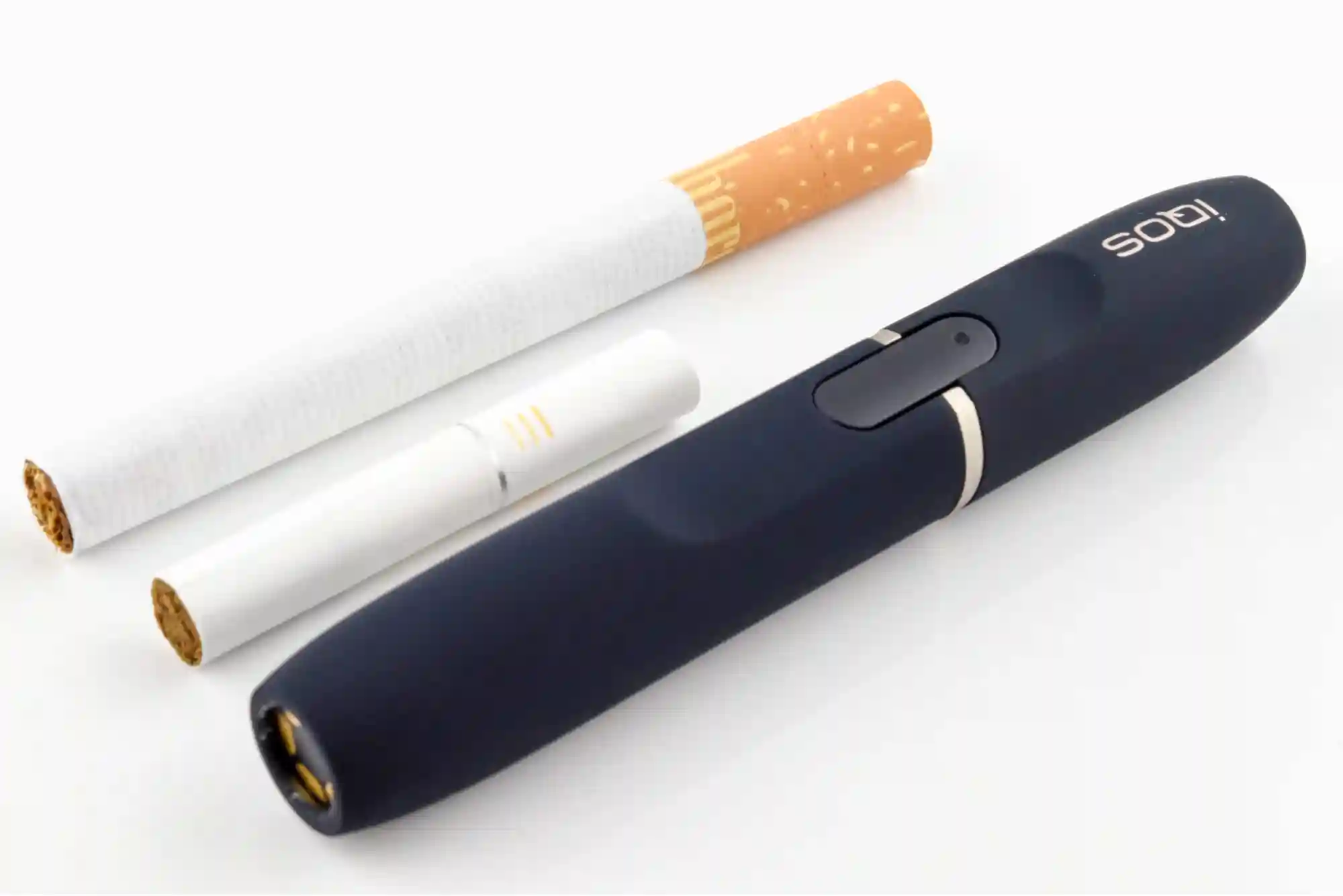
Traditional cigarettes burn tobacco, producing smoke containing thousands of chemicals. Many of these substances are associated with serious diseases.
Vapes do not burn tobacco in the same way. Therefore, they generally expose users to fewer toxic substances than conventional cigarette smoke.
However, fewer toxic exposures do not mean no health risks.
Vaping aerosols can still contain harmful substances. Nicotine dependence also remains a significant concern.
For adult smokers, completely switching away from combustible cigarettes may reduce exposure to certain harmful chemicals. However, using both cigarettes and vapes does not necessarily provide the same benefits.
Can Vaping Help Smokers Quit?
Research indicates that nicotine e-cigarettes may support smoking cessation for some adults. Nevertheless, individual results vary, and clinical guidance remains important.
Australia recommends considering established smoking cessation treatments first. These include nicotine replacement therapy, counselling, and approved prescription medications.
Therapeutic vapes may be considered when other treatment options have been unsuccessful. A healthcare professional can explain potential benefits, risks, and suitable alternatives.
The ultimate objective should be stopping smoking and eventually becoming free from nicotine dependence.
The Role of the Australian Department of Health
Government health agencies provide essential information about vaping regulations and public health recommendations.
The Australian Department of Health explains the health concerns associated with vaping. Its resources also clarify regulatory changes and available support for people trying to quit smoking.
For accurate information, readers should consult the official Australian Department of Health website rather than relying entirely on online discussions or promotional content.
The department’s guidance covers nicotine addiction, youth protection, vaping-related health concerns, and smoking cessation support.
Readers can explore the Australian Department of Health — national nicotine & e-cig policy through its official website:
This resource helps consumers understand the difference between therapeutic vaping products and illegally supplied products. It also provides information about Australia’s broader tobacco control strategy.
Checking official government information is particularly important because regulations can change. State and territory requirements may also differ.
Is the Australian Vape Ban Based on Facts or Public Hype?
The discussion surrounding “Is Vapes illegal aus Backed by Science or Just Vape Hype?” often becomes emotional because vaping involves different personal experiences.
Some people describe vaping as a useful alternative to smoking. Others highlight addiction concerns, respiratory symptoms, and uncertainty about long-term safety.
Both perspectives deserve careful consideration. However, personal experiences cannot replace controlled scientific research.
Separating Scientific Evidence From Misleading Claims
One common misconception is that vaping produces only harmless water vapour. This is incorrect because e-cigarette aerosols can contain nicotine and other potentially harmful substances.
Another misconception suggests that every vape contains exactly the same ingredients. In reality, product composition and quality can vary significantly.
Some people also believe that strict regulations automatically mean vaping is more dangerous than smoking. That conclusion is not scientifically justified.
Vaping and smoking involve different exposure patterns and health risks. Comparing them requires examining the available evidence rather than relying on assumptions.
Why Responsible Regulation Matters
Effective public health policies should reflect scientific findings while recognising remaining uncertainties.
Australia’s regulatory framework attempts to balance controlled therapeutic access with restrictions on commercial promotion and illegal distribution.
This approach also recognises that adults who smoke may need professional support when considering alternatives.
Consequently, the debate should focus on evidence, responsible access, and effective cessation strategies rather than exaggerated claims.
How Australian Consumers Can Stay Informed
Understanding vaping regulations is important for anyone living in or travelling to Australia.
Consumers should check current federal and state requirements before purchasing or importing vaping products. They should also understand that pharmacy access does not mean every product is approved or guaranteed safe.
The Therapeutic Goods Administration publishes detailed information about product standards, pharmacist responsibilities, and enforcement activities.
Consumers should avoid purchasing unregulated products from illegal online sellers. Unknown ingredients and inconsistent manufacturing standards can introduce additional health risks.
People experiencing nicotine dependence should consider speaking with a healthcare professional. Professional guidance can help identify appropriate cessation treatments and reduce withdrawal difficulties.
Staying informed through reliable government resources is more useful than following rumours or promotional claims.
Conclusion
The question “Is Vapes illegal aus Backed by Science or Just Vape Hype?” deserves an evidence-based answer.
Australia has not introduced a complete prohibition on every vaping product. Instead, it has established strict regulations that restrict ordinary commercial sales and allow controlled access to therapeutic vapes through pharmacies.
Scientific evidence supports concerns about nicotine addiction, respiratory irritation, chemical exposure, and potential long-term health consequences. However, researchers continue investigating several aspects of vaping-related health risks.
Therefore, Australia’s vaping regulations are not simply based on public hype. They reflect genuine public health concerns, scientific findings, and precautionary policymaking.
For readers, the best approach is to understand current regulations, avoid misleading information, and consult qualified healthcare professionals when considering smoking cessation.
Take action today: Visit the Australian Department of Health website to explore official vaping guidance, understand current regulations, and discover reliable smoking cessation resources.
Understanding whether UK vape laws are backed by science or driven by public debate requires examining reliable research, health evidence, and government policies. Exploring the facts behind vaping regulations helps readers separate scientific findings from common myths and understand how UK laws aim to address public health concerns.
Frequently Asked Questions
Are vapes illegal in Australia?
Vapes are not completely illegal in Australia. Therapeutic vaping products can be supplied through participating pharmacies under strict conditions. Ordinary retailers cannot legally sell them.
Can you legally buy vapes in Australia?
Adults aged 18 and older can access certain therapeutic vapes containing up to 20 mg/mL nicotine without a prescription. Pharmacist consultation and applicable state and territory laws apply.
Why did Australia ban disposable vapes?
Australia introduced restrictions to reduce youth vaping, nicotine dependence, illegal distribution, and exposure to potentially harmful products.
Is vaping safer than smoking cigarettes?
Vaping generally exposes users to fewer toxic chemicals than smoking combustible cigarettes. However, vaping is not risk-free, and its long-term health effects remain under investigation.
Can you bring vapes into Australia?
Importation is heavily restricted and generally requires appropriate licensing and permission. Travellers should check current Australian Border Force requirements before travelling.
Is vaping illegal for people under 18 in Australia?
Access to therapeutic vapes requires a prescription for people under 18, where permitted. State and territory laws may impose additional restrictions on supply.
What does the Australian Department of Health say about vaping?
The department identifies nicotine addiction, youth exposure, and potential respiratory harm as important concerns. It also provides guidance about vaping regulations and smoking cessation.
Can vaping help someone quit smoking?
Some evidence suggests nicotine e-cigarettes can help certain adults stop smoking. However, Australia recommends established cessation treatments first, with therapeutic vaping considered under appropriate professional guidance.
Vape culture continues to evolve with changing technology, product designs, and lifestyle trends. Whether exploring modern vaping devices, learning about vape innovations, or comparing available options, staying informed helps readers make better decisions. Discover useful vaping information, product insights, and the latest industry updates at VapeZX, a platform dedicated to exploring the evolving world of vaping.
