



Introduction
Understanding vaping laws New York is essential for anyone trying to make informed choices about nicotine, public health, and safer alternatives. As conversations around harm reduction continue to grow, New York remains one of the most influential states shaping how vaping is regulated. This detailed guide explores how these laws affect adults who vape, smokers seeking alternatives, and the broader harm reduction movement.
Vaping laws New York have evolved significantly over the past decade. These laws now influence everything from product availability to how companies market nicotine products. At the same time, the concept of harm reduction has become central to debates about public health. Harm reduction focuses on reducing risks for adults who smoke, rather than simply demanding abstinence. As more research emerges, the question becomes more important: Do New York’s strict vaping regulations support harm reduction or hinder it?
Why Vaping Laws New York Matter in the Harm Reduction Debate
New York has taken a firm stance on nicotine regulation. Understanding these rules is important because policies influence real-world behavior. Strict laws may protect youth, but they may also affect adults who rely on reduced-risk products to quit smoking. Harm reduction advocates argue that smart regulation helps balance these needs.
How Vaping Laws New York Developed Over Time
Early Restrictions and the Push for Youth Protection
New York was one of the first states to introduce vaping regulations aimed at protecting minors. These early rules targeted youth access, advertising, and school environments. Over time, concerns about rising teen vaping rates led lawmakers to expand the restrictions further.
The 2020 Flavor Ban and Its Effects
In 2020, New York became one of the first states in the U.S. to implement a statewide ban on flavored vape products. Supporters of this law argued that fruity or sweet flavors encouraged teens to start vaping. However, many adult smokers and harm reduction supporters expressed concern. Flavors like mint, fruit, and dessert are commonly used by adults who switch from traditional cigarettes.
Taxation and Product Restrictions
New York also imposed one of the country’s highest taxes on vapor products. This tax aims to discourage use, but it also raises prices for adults who are trying to transition away from combustible cigarettes. High taxes may unintentionally push some consumers toward unregulated, cheaper alternatives purchased online or from informal markets.
How Vaping Laws New York Influence Harm Reduction
Supporting Public Health Goals
On one hand, strict regulations help reduce youth access and protect communities. Strong compliance checks make it harder for minors to obtain vape devices. These goals support public health and align with national strategies to reduce nicotine addiction among young people.
Challenges for Adult Smokers Seeking Alternatives
However, many harm reduction experts argue that the vaping laws New York can unintentionally limit access to safer alternatives. Cigarettes remain widely available and heavily marketed, while flavored reduced-risk products are restricted. Because smoking causes far more harm than regulated vaping products, limiting safer options may slow quit attempts among adults.
Balancing Protection With Access
The central question is whether New York’s laws strike the right balance. Protecting youth is essential, but adults who smoke also need practical, accessible tools to reduce harm. Policies that differentiate between adult smokers and underage users may lead to better outcomes.
What Harm Reduction Experts Say About Vaping Laws New York
Experts emphasize that harm reduction is not a new concept. It has been used successfully in fields like alcohol safety and disease prevention. In the context of nicotine, harm reduction means offering smokers ways to reduce the danger while respecting personal choice.
Many researchers highlight that vaping exposes users to fewer toxic chemicals than combustible cigarettes. While vaping is not risk-free, it is widely recognized as significantly less harmful. Therefore, policies that make vaping harder for adults may reduce the overall public health benefit these products can offer.
Impact of Vaping Laws New York on Local Retailers and Consumers
Retail Changes and Compliance Pressure
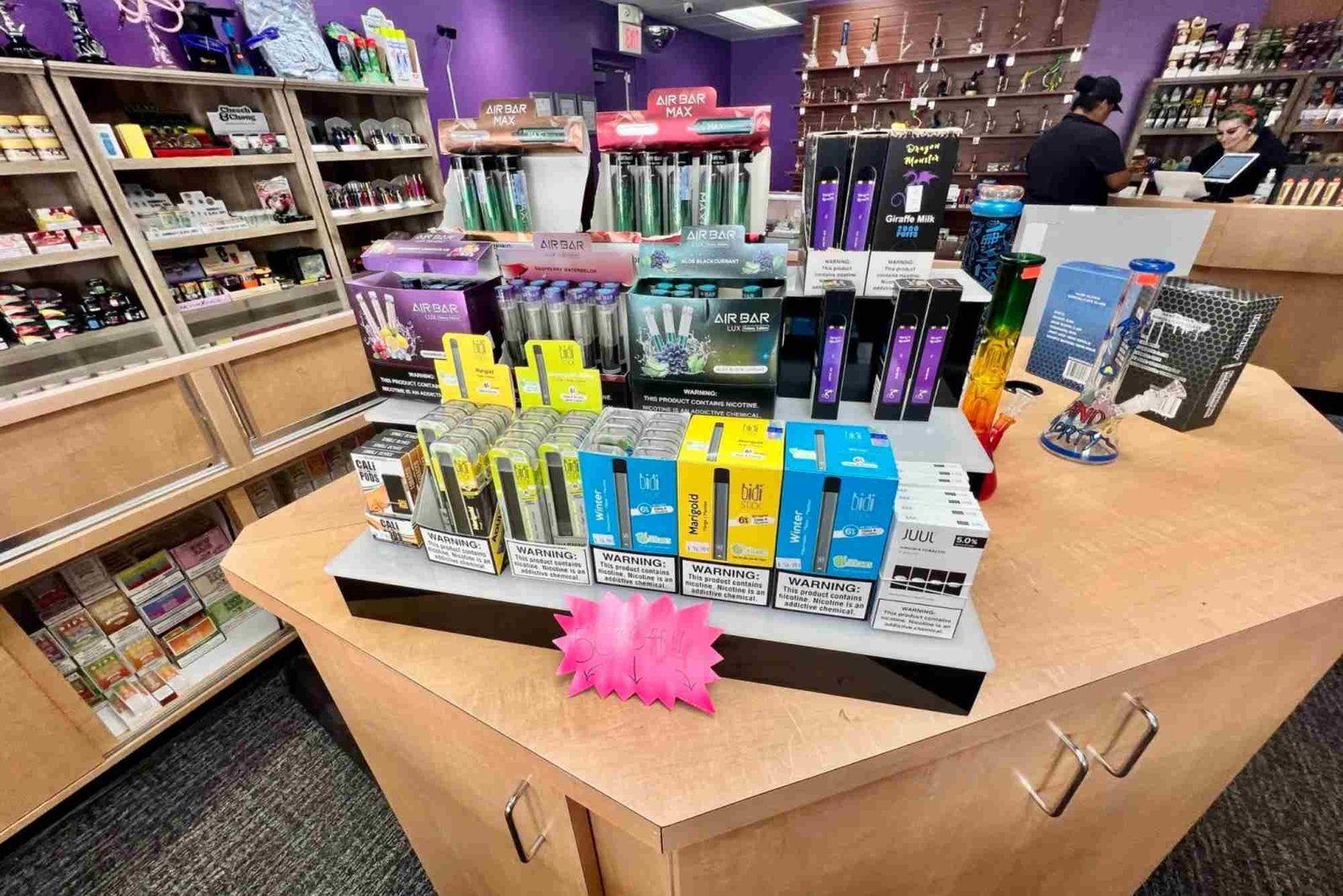
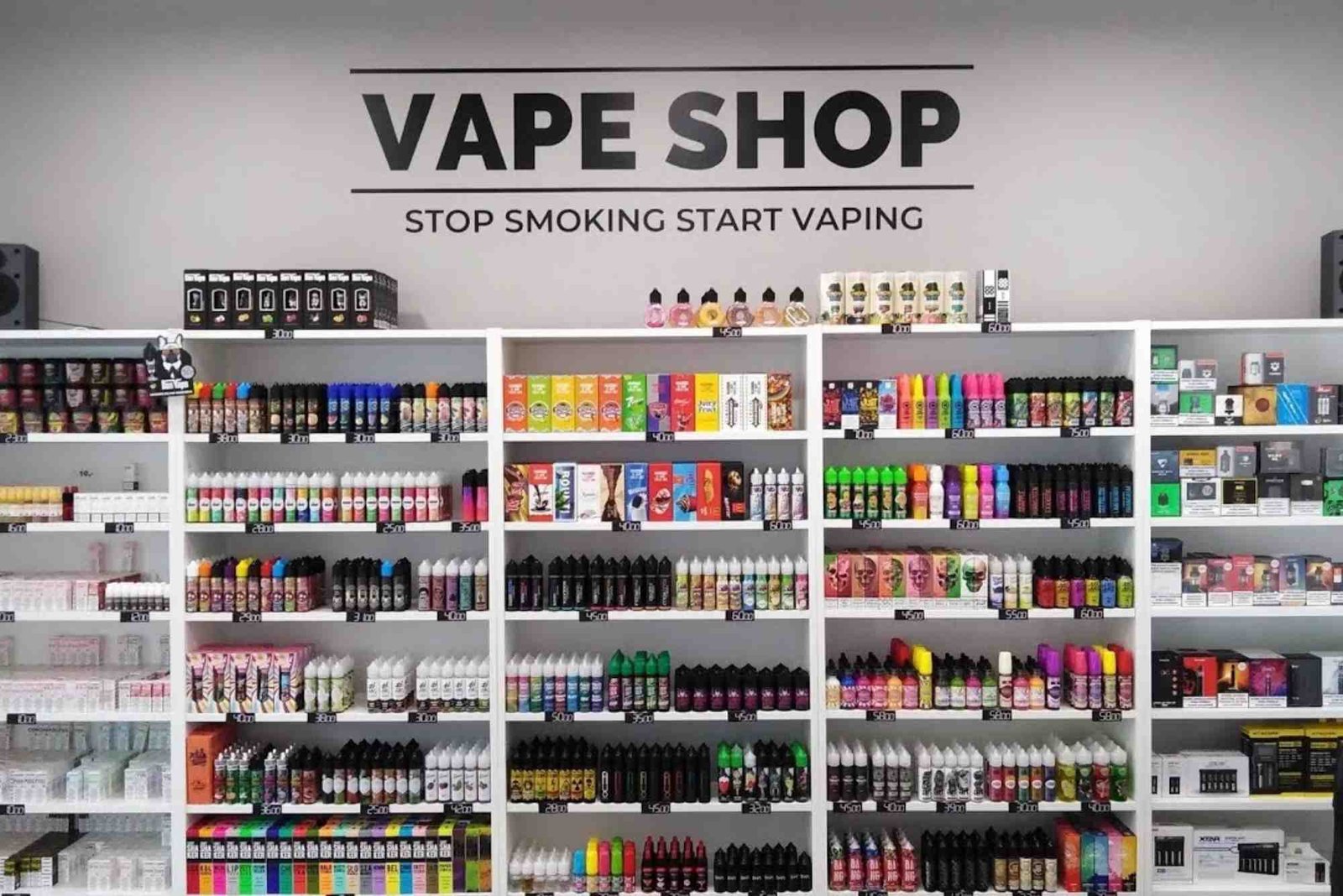
Retail vape shops in New York have faced increased pressure due to flavor bans, higher taxes, and new licensing rules. Some small businesses have struggled to survive, reducing the availability of regulated, high-quality products for adult users.
Changing Consumer Behavior
Many consumers report switching to online purchases or traveling to neighboring states where flavored products are still available. This raises concerns because buying from unknown or unregulated sources may increase safety risks.
Effects on Smoking Rates
Some early observations suggest that certain smoking rates among adults have not declined as quickly as expected after vaping restrictions. While many factors influence smoking rates, reduced access to effective alternatives may play a role.
The Role of Education in Supporting Harm Reduction
Clear, science-based information is essential for helping the public understand vaping laws New York and their implications. Many adults who smoke are unaware that vaping is considered less harmful than smoking by numerous scientific organizations. Misinformation can discourage smokers from switching to safer options.
Public health education must also highlight risks to youth while recognizing the needs of adults. When education focuses only on harms without context, it can lead to confusion and missed opportunities for harm reduction.
What the Future Holds for Vaping Laws New York
Vaping laws New York will continue to evolve as policymakers balance youth protection with adult harm reduction. For now, the state maintains some of the strictest vaping rules in the country. These laws influence everything from product availability to quitting strategies for smokers. Understanding these laws is essential for navigating nicotine choices responsibly.
How Adults Can Navigate Vaping Laws New York While Prioritizing Harm Reduction
Adults who want to reduce harm must understand the legal landscape. Choosing regulated products, purchasing from licensed retailers, and staying updated on state requirements are important steps. While the laws can feel restrictive, many adults still find ways to use vaping as a safer alternative to smoking. Staying informed through resources like the New York State Legislature / DOH — vaping statutes ensures consumers remain compliant and aware of their rights and responsibilities.
If you are an adult smoker looking to move toward safer alternatives, stay informed, explore options supported by evidence, and follow state guidelines carefully. Knowledge can empower you to make better health decisions, even in a complex regulatory environment.
FAQs
What are the current vaping laws in New York?
New York prohibits flavored vape products, restricts advertising, bans indoor vaping in most public places, and enforces a strict age limit of 21. Taxes on vapor products are also high compared to other states.
Are flavored vapes banned in New York?
Yes. With limited exceptions for tobacco flavor, New York bans the sale of flavored nicotine vape liquids. This statewide ban applies to both retail stores and online sellers shipping into New York.
Can you vape in public places in New York?
In most cases, vaping is treated like smoking. Vaping is banned in bars, restaurants, office buildings, public transportation, and many outdoor public areas. Only designated smoking areas allow vaping alongside smoking.
Why did New York ban flavored vapes?
Lawmakers enacted the flavor ban to reduce teen vaping. They argued that flavors were a major driver of youth experimentation. Critics argue that the ban also restricts adult smokers who rely on flavored products to avoid going back to cigarettes.
Are disposable vapes legal in New York?
Disposable vapes are only legal if they contain tobacco-flavored e-liquid. Any disposable vape with flavors such as mint, fruit, or dessert is prohibited under New York’s flavor ban.
