



Introduction
Vaping laws in the United States continue to evolve as public health priorities shift. Exploring Vape law in iowa in the Context of Harm Reduction offers a clear view of how regulation, health protection, and adult choice intersect. Iowa’s approach reflects a careful balance between preventing youth access and acknowledging harm reduction for adult smokers. Understanding this balance is essential for consumers, policymakers, and public health professionals alike.
This article explains Iowa’s vape laws, how they developed, and how harm reduction fits into the regulatory framework. It also explores public health perspectives, enforcement challenges, and future trends, while keeping the focus on practical clarity rather than legal jargon.
Understanding Vape Law in Iowa
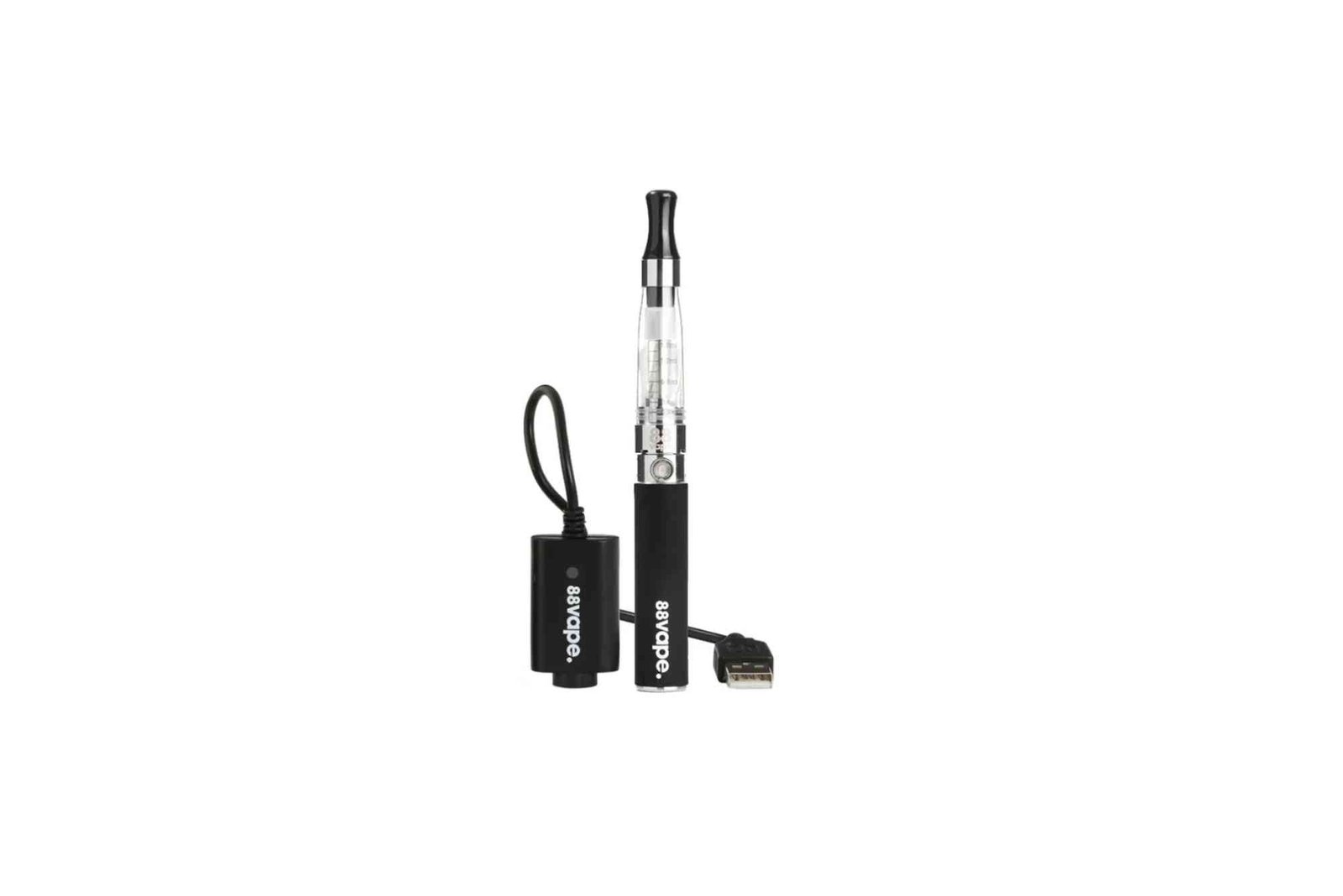
Iowa regulates vaping products under both state and federal frameworks. These laws cover who can buy vape products, where they can be used, and how they may be sold. Although vaping is often discussed alongside smoking, Iowa law treats it as a distinct category.
Age Restrictions and Legal Access
Iowa law strictly prohibits the sale of vaping products to anyone under 21. This rule aligns with federal standards and applies to e-cigarettes, vape pens, and e-liquids. Retailers must verify identification, and violations can result in fines or license suspension.
These age limits aim to reduce youth nicotine exposure while still allowing adults to access vaping as an alternative to combustible tobacco.
Retail Licensing and Compliance
Retailers in Iowa must register and comply with state tobacco and vapor product regulations. This includes record keeping and adherence to inspection requirements. Enforcement agencies conduct compliance checks to ensure sales practices align with the law.
From a harm reduction perspective, licensed and compliant retailers offer safer access to regulated products, reducing the risk of unsafe or counterfeit devices.
Harm Reduction and Its Role in Vape Regulation
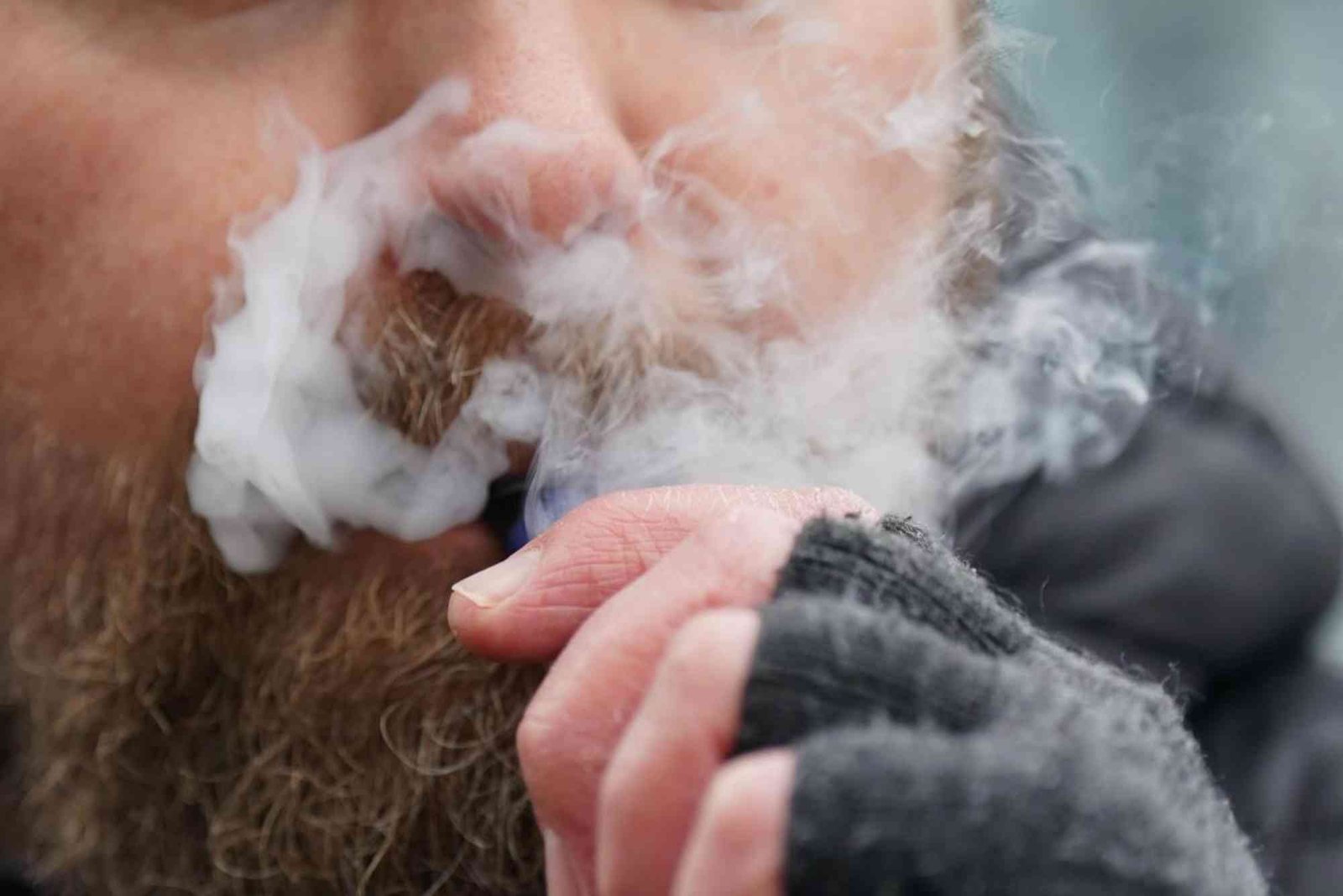
Harm reduction focuses on minimizing health risks rather than demanding total abstinence. In tobacco control, this approach recognizes that while quitting nicotine entirely is ideal, switching from smoking to vaping may reduce exposure to harmful chemicals.
Vaping Compared to Smoking
Research consistently shows that vaping eliminates combustion, which is the primary source of harmful toxins in cigarettes. While vaping is not risk-free, public health experts often acknowledge that it may be less harmful than smoking traditional cigarettes for adult smokers.
Exploring Vape law in iowa in the Context of Harm Reduction highlights how Iowa’s regulations allow adult smokers to access alternatives without promoting use among non-smokers.
Public Health Messaging in Iowa
Iowa’s public health messaging emphasizes prevention for youth while offering cessation support for adults. Information provided by the Iowa Department of Public Health — vape policy reflects this dual approach. It discourages non-smokers from starting while recognizing harm reduction strategies for those who already smoke.
This balanced tone helps avoid misinformation and fear-based messaging, which can undermine public trust.
Where Vaping Is Allowed in Iowa
Iowa includes vaping in its Smokefree Air Act, which restricts use in many public spaces. These rules aim to protect non-users from aerosol exposure while maintaining consistency with smoking regulations.
Public Spaces and Workplaces
Vaping is prohibited in indoor public places and most workplaces. This includes restaurants, bars, and government buildings. Employers may also set stricter policies if they choose.
Although some users argue these rules are restrictive, they reflect Iowa’s focus on shared air quality and workplace safety.
Private Property Rules
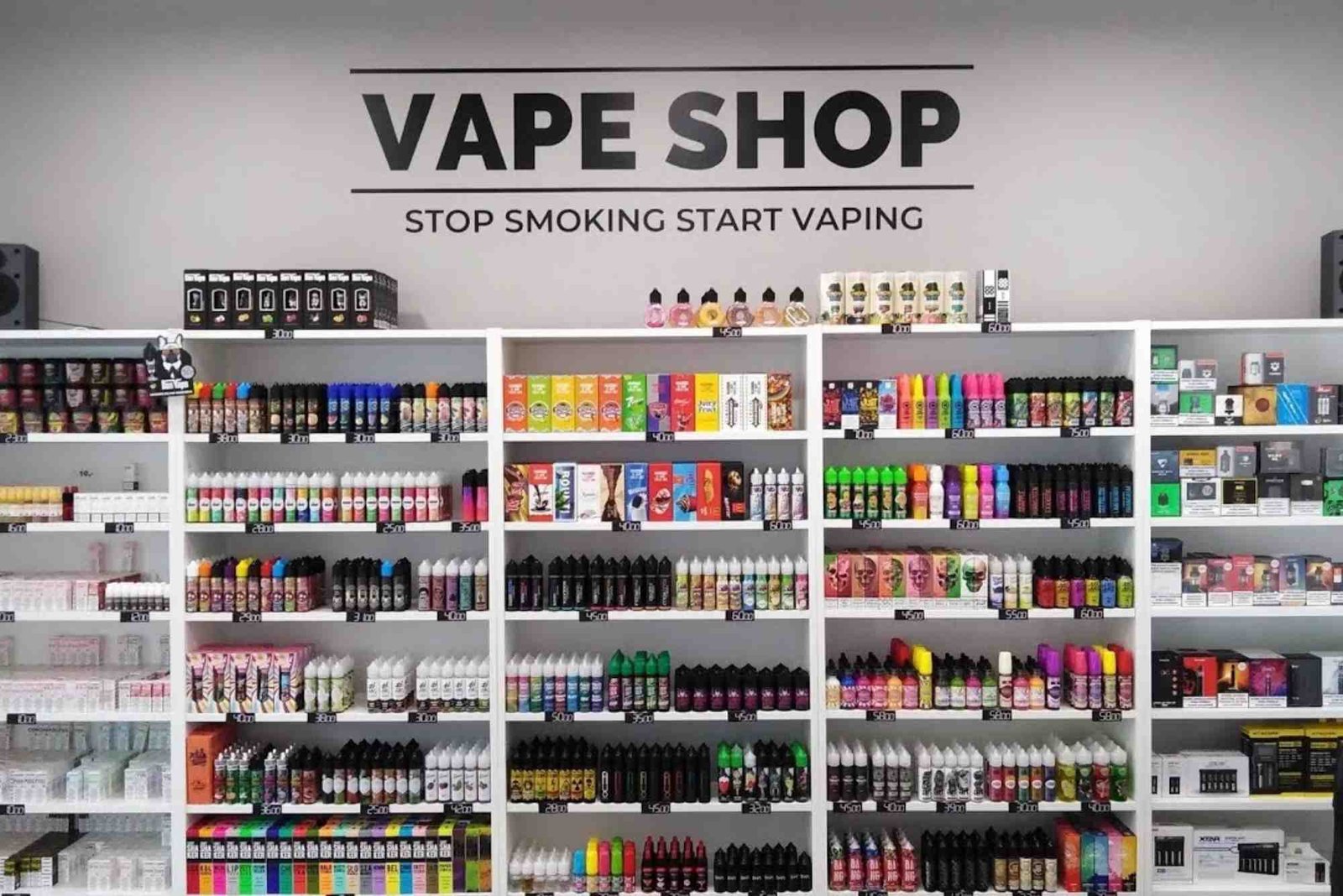
Private property owners retain the right to set their own vaping policies. Vape shops may allow sampling in designated areas, depending on local enforcement practices. This flexibility supports adult choice while respecting property rights.
Flavor Restrictions and Consumer Impact
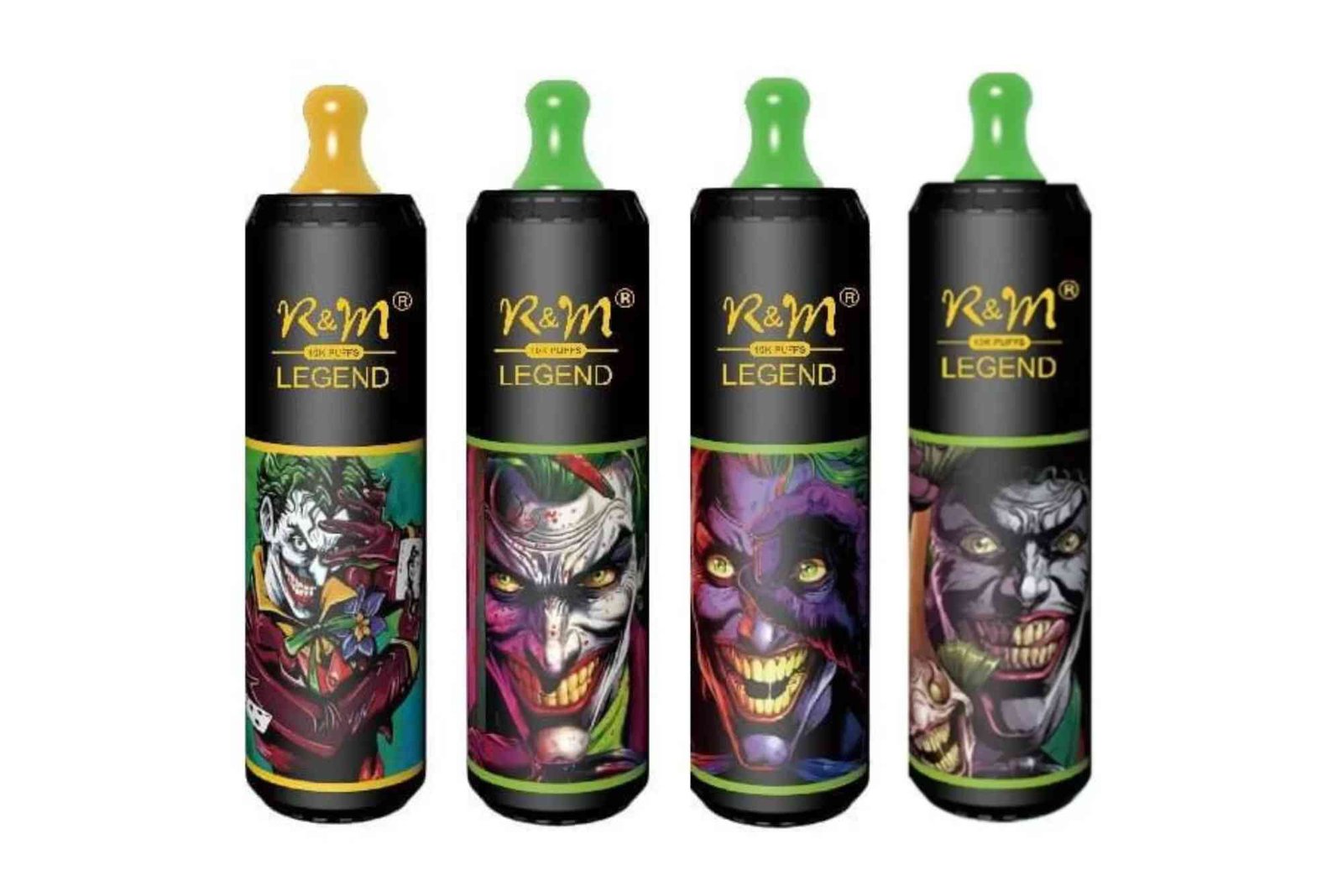
One of the most debated topics in vape regulation involves flavored products. These products are often accused of attracting youth, yet many adults report that flavors help them quit smoking.
Iowa’s Position on Vape Flavors
As of now, Iowa has not enacted a statewide ban on flavored vape products beyond federal requirements. However, local jurisdictions may adopt additional restrictions. This cautious stance reflects the ongoing debate about public health impact versus adult harm reduction benefits.
Harm Reduction Perspective on Flavors
From a harm reduction standpoint, flavors play a role in helping adult smokers fully transition away from cigarettes. Removing flavors without alternatives may push some users back to smoking, which carries higher health risks.
Exploring Vape law in iowa in the Context of Harm Reduction requires acknowledging this complexity rather than framing flavors as a single-issue problem.
Enforcement Challenges and Real-World Application
Implementing vape laws is not always straightforward. Iowa faces challenges related to enforcement resources, evolving products, and online sales.
Youth Access and Compliance Checks
Despite strict age laws, underage access remains a concern nationwide. Iowa conducts compliance checks, but enforcement depends on staffing and funding. Education programs for retailers remain a critical tool in reducing violations.
Online and Cross-Border Sales
Online sales complicate enforcement efforts. While federal rules require age verification, enforcement varies. Iowa policymakers continue to explore ways to address these gaps without overregulating adult consumers.
Economic and Social Considerations
Vape laws do not exist in a vacuum. They also impact small businesses, employment, and tax revenue.
Vape Shops and Local Economies
Independent vape shops operate under tight margins. Clear and stable regulations help these businesses remain compliant and viable. Excessive restrictions can unintentionally favor unregulated markets, which pose greater health risks.
Taxation and Harm Reduction
Iowa taxes vapor products, though at lower rates than combustible cigarettes. This pricing difference aligns with harm reduction principles by discouraging smoking while keeping safer alternatives accessible.
Future Directions of Vape Law in Iowa
Vape regulation continues to evolve as research develops. Iowa lawmakers regularly review public health data and federal guidance.
Potential Regulatory Changes
Future policy discussions may involve tighter marketing restrictions, packaging standards, or ingredient transparency. Each proposal will likely be evaluated through the lens of youth protection and adult harm reduction.
Role of Evidence-Based Policy
Evidence-based regulation supports trust and effectiveness. Policies grounded in data are more likely to achieve public health goals without unintended consequences. Exploring Vape law in iowa in the Context of Harm Reduction depends on continued research and open dialogue.
FAQs
Is vaping legal in Iowa for adults?
Yes, vaping is legal in Iowa for adults aged 21 and over. Retailers must comply with licensing and age verification requirements.
Can you vape indoors in Iowa?
No, vaping is prohibited in most indoor public spaces and workplaces under Iowa’s Smokefree Air Act.
Does Iowa ban flavored vape products?
Iowa does not currently have a statewide ban on flavored vape products. Federal rules still apply, and local regulations may vary.
Is vaping considered safer than smoking in Iowa’s health policy?
Iowa public health messaging generally recognizes that vaping may be less harmful than smoking for adults who already smoke, while emphasizing that it is not risk-free.
Where can I find official information about vape regulations in Iowa?
Official guidance is available through state public health resources, including policies referenced by the Iowa Department of Public Health — vape policy.
Balancing Law, Health, and Choice
Exploring Vape law in iowa in the Context of Harm Reduction reveals a regulatory approach shaped by balance rather than extremes. Iowa prioritizes youth protection, public health, and informed adult choice. While challenges remain, the state’s framework reflects a growing recognition that harm reduction has a place in modern tobacco control.
For adult smokers seeking alternatives, understanding these laws empowers safer decisions. For policymakers and advocates, continued dialogue grounded in evidence is key. Stay informed, follow Iowa regulations, and support policies that protect health without ignoring real-world behavior.
