



Introduction
Understanding whether vaping around children is illegal has become a serious concern for parents, caregivers, and policymakers. As vaping grows globally, so do questions about its safety near minors. Exploring Is vaping around kids illegal in the Context of Harm Reduction is not just a legal issue. It is also about public health, parental responsibility, and realistic approaches to reducing harm where nicotine use already exists.
In many homes, adults view vaping as a safer alternative to smoking. However, children are uniquely vulnerable to environmental exposures. This article explains current laws, health concerns, and harm reduction principles in clear language. It also examines how legal frameworks differ worldwide and why harm reduction matters in real life.
Understanding the Legal Question Around Vaping Near Children
When people ask if vaping around kids is illegal, they usually expect a yes or no answer. In reality, the law depends on location, public versus private spaces, and child protection statutes.
Is Vaping Around Kids Illegal in Most Countries?
In many countries, vaping around children is not outright illegal in private homes. However, it is often restricted or banned in public places where minors are present. Schools, childcare facilities, playgrounds, and public transport usually fall under strict smoke-free or vape-free laws.
Some governments treat vaping the same as smoking. Others apply separate rules. The legal focus is often on protecting children from exposure rather than punishing adult behavior at home.
Why Laws Focus on Public Spaces
Public spaces are regulated because children cannot avoid exposure. Governments have a duty to provide safe environments. Private homes are different. Lawmakers hesitate to regulate behavior inside homes unless serious harm or neglect occurs.
However, child welfare laws can apply if authorities believe vaping causes repeated harm to a child. This is rare but possible in extreme cases.
Harm Reduction Explained in Simple Terms
Harm reduction accepts that some people use nicotine. Instead of demanding total abstinence, it aims to lower risks.
How Harm Reduction Relates to Vaping
Harm reduction recognizes vaping as less harmful than smoking combustible cigarettes. Public health bodies often support switching for adult smokers who cannot quit nicotine.
However, harm reduction never suggests that vaping is harmless. Especially near children, reducing exposure remains critical.
Children and Involuntary Exposure
Children do not choose exposure. Even under harm reduction, protecting minors comes first. This is where Exploring Is vaping around kids illegal in the Context of Harm Reduction becomes a nuanced discussion.
Health Risks of Vaping Around Children
Understanding health risks explains why laws and guidelines exist.
Secondhand Aerosol and Developing Bodies
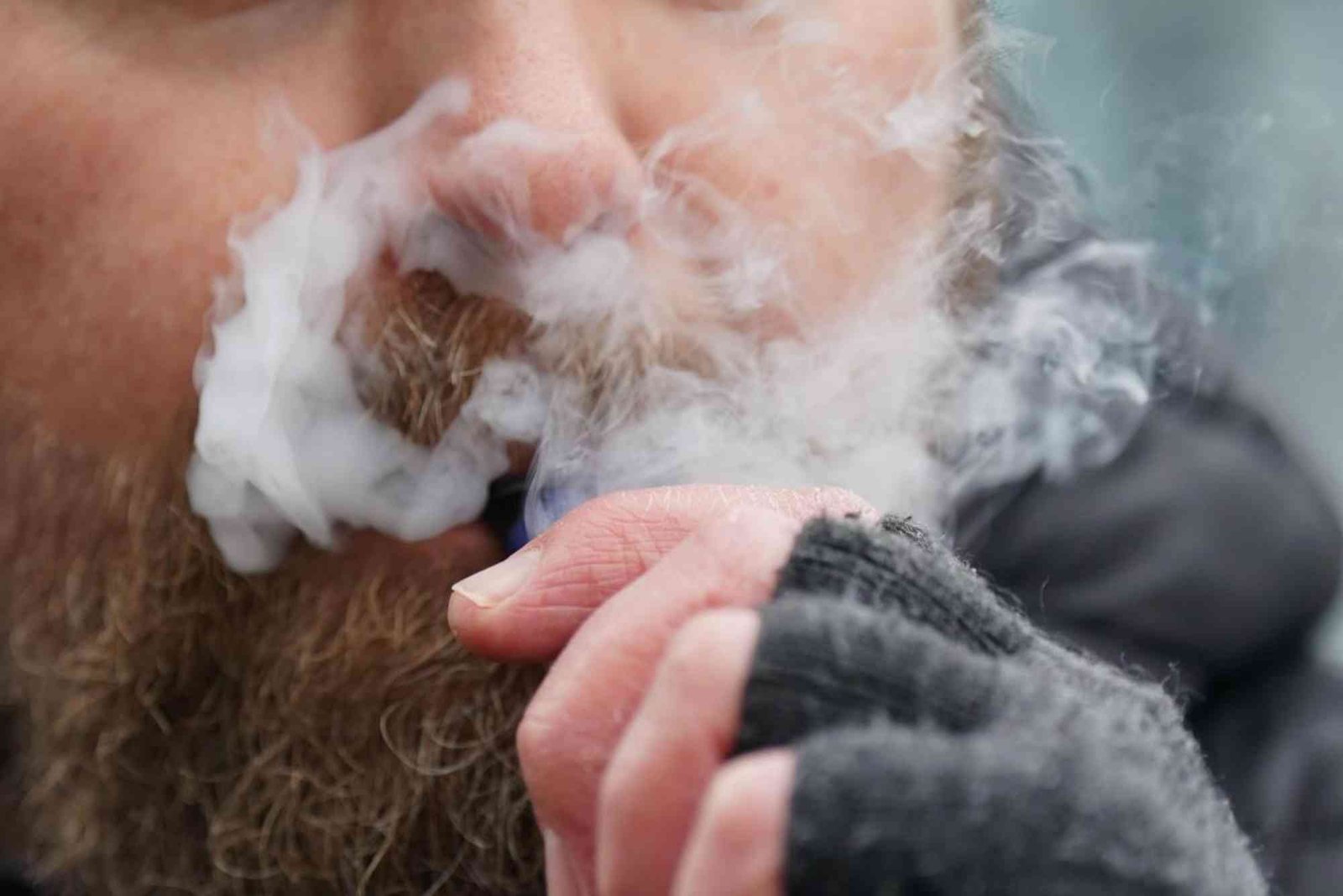
Vape aerosol contains nicotine, ultrafine particles, and flavoring chemicals. While levels are lower than cigarette smoke, they are not zero.
Children’s lungs and brains are still developing. Nicotine exposure can affect attention, mood, and learning. Young children also breathe faster, increasing exposure risks.
Behavioral and Social Effects
Children learn by observation. Seeing adults vape can normalize nicotine use. Studies suggest that children exposed to vaping are more likely to experiment later.
This social modeling concern influences policy decisions as much as health science.
What the Law Says in Key Regions
Laws vary widely, but trends are clear.
United States Legal Perspective
In the United States, many states include vaping in clean indoor air laws. Vaping is banned in schools, daycare centers, and often in cars with children present.
Some states explicitly prohibit vaping in vehicles when minors are inside. Private home use usually remains legal.
United Kingdom and Europe
The UK bans vaping in schools and childcare settings. Local councils may restrict vaping in playgrounds and public areas. European countries such as France and Spain apply similar rules.
Private homes are generally outside legal control unless child neglect concerns arise.
Global Guidance From Health Authorities
International organizations emphasize child protection. Guidance from WHO / national child protection & tobacco laws highlights children’s rights to clean air and healthy environments. You can review global public health positions at without navigating legal jargon.
Can Parents Get in Trouble for Vaping at Home?
This question worries many caregivers.
In most jurisdictions, vaping in your own home is not a criminal offense. However, repeated exposure leading to health problems could raise child welfare concerns. This would fall under neglect laws rather than vaping-specific rules.
Authorities focus on patterns of harm, not isolated behavior.
Harm Reduction Strategies for Adults Who Vape
Harm reduction becomes practical when adults already vape.
Reducing Exposure Without Criminalization
Harm reduction supports steps like vaping outdoors, improving ventilation, and keeping devices locked away. These actions reduce risk without demanding immediate nicotine cessation.
This approach aligns with child protection goals while respecting adult realities.
Why Zero Exposure Is the Ideal
Health experts agree that no exposure is best for children. Harm reduction recognizes this goal while offering realistic transitions.
The aim is fewer risks today and better outcomes long term.
Why Governments Avoid Strict Home Bans
Banning vaping inside homes raises enforcement and ethical issues.
Authorities cannot easily monitor private spaces. Overreach could damage trust between families and health services.
Instead, education and public space regulation remain preferred tools.
The Role of Education Over Punishment
Education changes behavior more effectively than punishment.
Public campaigns encourage parents to avoid vaping near children. Pediatricians now discuss vaping exposure during routine visits.
This approach reflects harm reduction principles and child-centered care.
Exploring Is Vaping Around Kids Illegal in the Context of Harm Reduction and Ethics
Ethically, adults have responsibility toward children’s health. Even when vaping is legal, ethical considerations remain.
Harm reduction does not excuse exposing children. It offers safer alternatives while working toward lower overall harm.
Respecting children’s rights often goes beyond legal minimums.
Common Myths About Vaping Near Kids
Misunderstandings fuel risky choices.
Many believe vape aerosol is “just water vapor.” This is false. Others assume legality equals safety. Laws often lag behind science.
Clear information helps families make better decisions.
Real-World Experiences From Parents
Many parents who switched from smoking to vaping report improved household air quality. They also describe adopting outdoor-only use once they understood exposure risks.
This lived experience reflects how harm reduction evolves with awareness.
Future Legal Trends to Watch
More countries are expanding vape-free zones. Some are considering stricter car bans. Education policies are also increasing.
The direction is toward greater child protection rather than criminalizing parents.
Frequently Asked Questions
Is vaping around kids illegal in the USA?
In many states, vaping is illegal in schools, childcare facilities, and sometimes in cars with children. Home use is usually legal.
Can vaping around children be considered child neglect?
Only in extreme cases where repeated exposure causes harm. This falls under general child welfare laws, not vaping-specific laws.
Is secondhand vape dangerous for babies?
Yes, babies are especially vulnerable. Nicotine and fine particles can affect breathing and development.
Does harm reduction support vaping near kids?
No. Harm reduction supports lowering risks for adults while prioritizing zero exposure for children.
Will laws become stricter in the future?
Likely. Many governments are expanding child protection policies as evidence grows.
Exploring Is vaping around kids illegal in the Context of Harm Reduction shows that legality and safety are not the same. In most places, vaping near children is legally restricted in public spaces but not banned in homes. However, health risks and ethical responsibilities remain.
Harm reduction encourages adults to minimize exposure, make informed choices, and move toward safer behaviors. Children deserve clean air and healthy environments, regardless of legal boundaries.
