



Introduction
Vaping has grown immensely in popularity across the UK as an alternative to smoking. Many people enjoy the convenience, the variety of flavors, and the perception that vaping is less harmful than traditional cigarettes. However, a common concern among homeowners and renters is whether vaping can leave permanent stains on walls and surfaces. This guide explores this question in depth, offering practical advice and tips for buyers to maintain a clean and healthy home environment.
Understanding Vaping and Its Effects on Indoor Surfaces
What Happens When You Vape Indoors
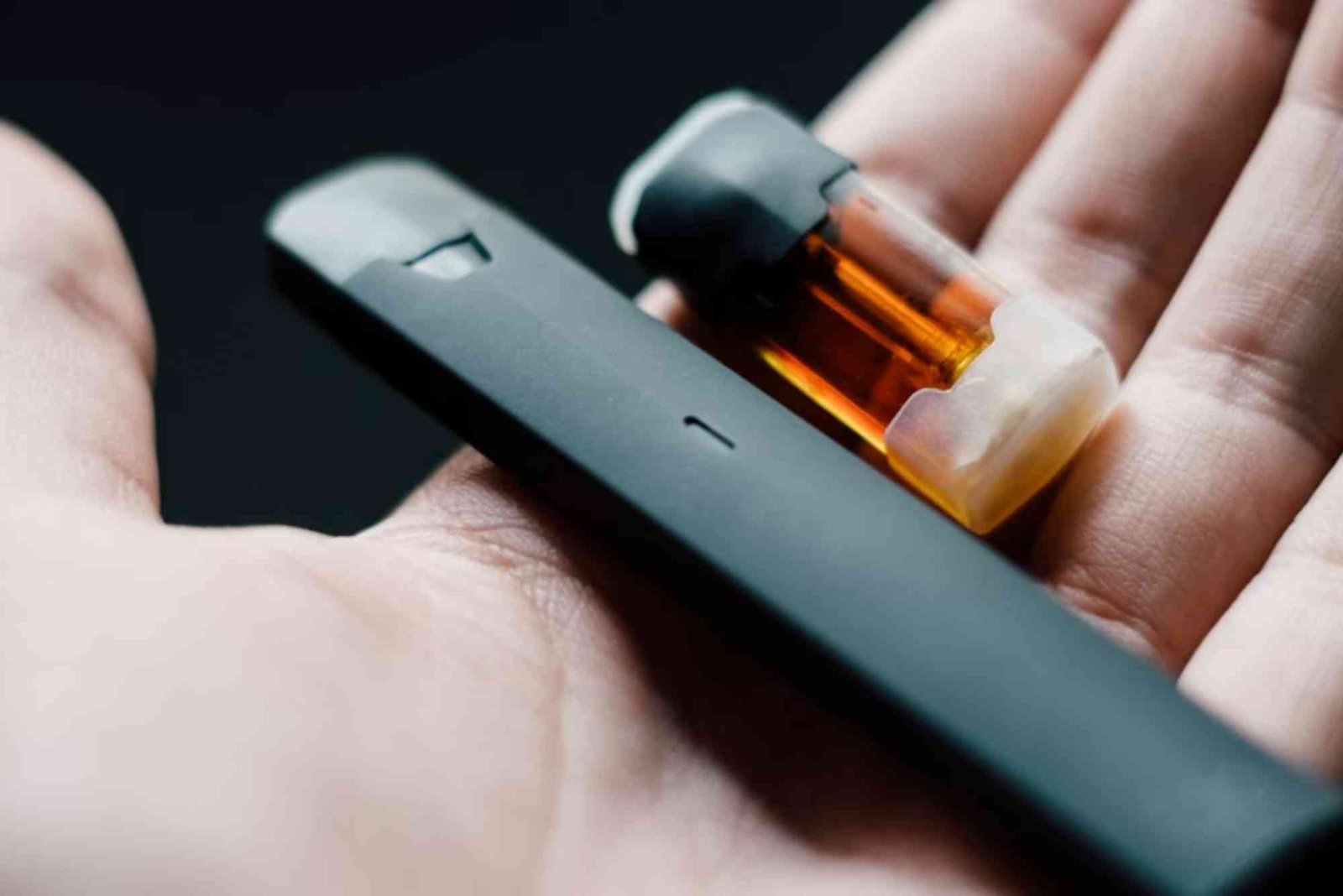
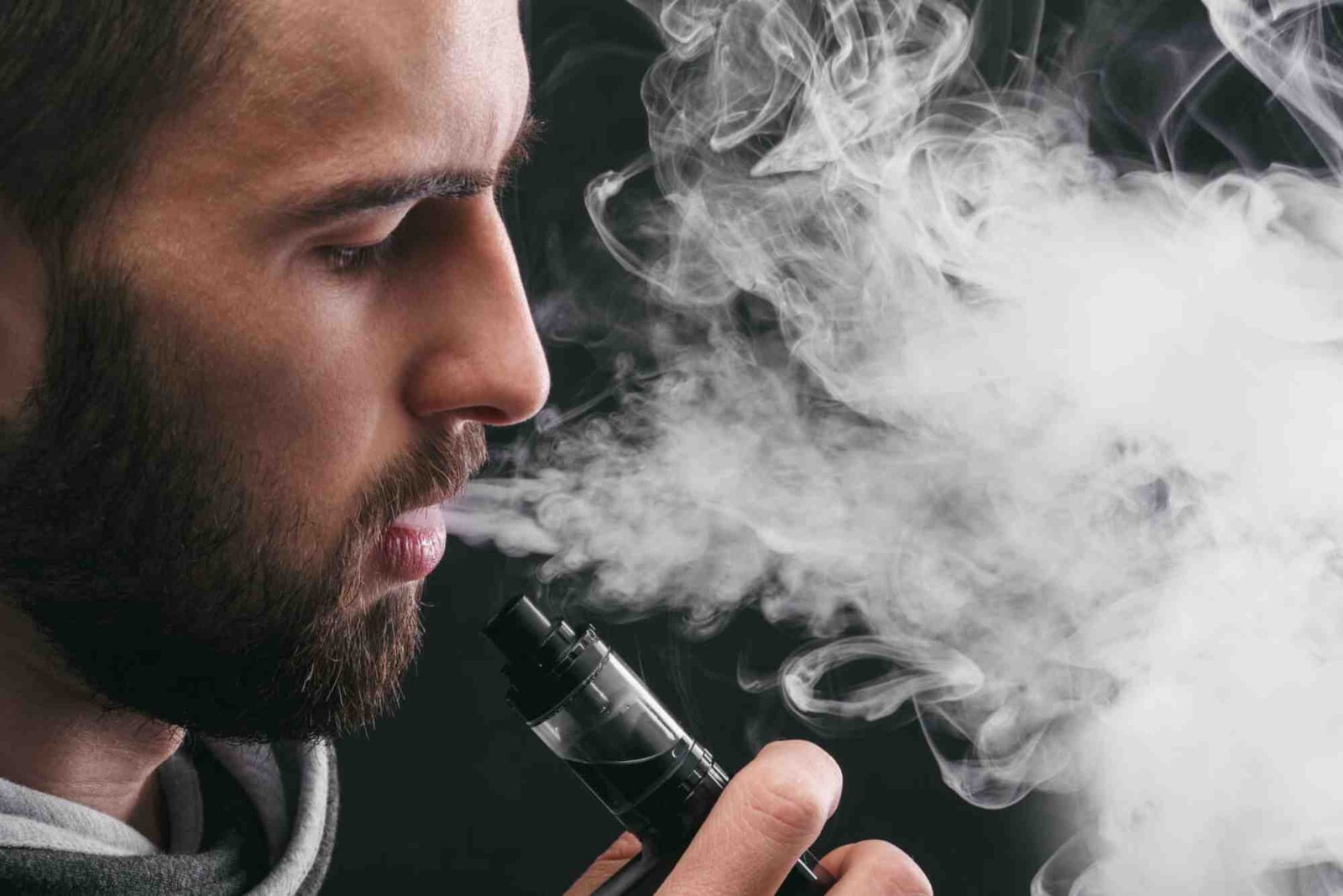
When you use a vape device, it produces an aerosol, often referred to as vapor. This vapor is a mixture of water, propylene glycol, vegetable glycerin, nicotine (if present), and flavoring agents. Unlike cigarette smoke, vape aerosol generally contains fewer harmful chemicals and less tar.
However, despite its cleaner composition, vaping indoors can still impact surfaces. The tiny particles in the aerosol can settle on walls, ceilings, furniture, and fabrics. Over time, these particles can cause subtle discoloration or a sticky residue, especially in rooms with poor ventilation.
Differences Between Vaping and Smoking Stains
Traditional cigarette smoke is notorious for staining walls yellow and leaving a lingering odor. Vaping is less aggressive in this regard, but certain factors can influence whether stains develop. Nicotine-free e-liquids are less likely to cause discoloration, while high VG (vegetable glycerin) content can leave a slight film on surfaces over time. Frequent vaping in the same space without ventilation may increase the chance of residue buildup.
Factors That Influence Wall Staining
Frequency of Use
The more often you vape indoors, the higher the likelihood of residue accumulation. Occasional vaping may leave minimal traces, while heavy daily use can contribute to visible marks on walls over months or years.
Room Ventilation
Good airflow can drastically reduce the chances of staining. Using fans, opening windows, or installing air purifiers helps disperse the aerosol and prevent it from settling on surfaces. Poor ventilation creates a stagnant environment where particles linger, increasing the risk of staining.

Wall Material and Paint Type
The type of paint or wall finish affects how much residue adheres. Glossy paints and semi-gloss finishes are more resistant to stains and easier to clean. Matte or textured paints tend to absorb particles more readily, making them harder to maintain over time.
Type of E-Liquid
E-liquids vary in composition. Those with high sugar-based flavorings, dark colors, or nicotine content are more prone to leaving a film on walls. Clear, low-nicotine liquids reduce the chance of discoloration and are generally safer for indoor use.
Tips to Prevent Vaping Stains
Use Vaping in Well-Ventilated Areas
Always vape near windows or areas with proper airflow. Ventilation disperses particles and reduces residue buildup on walls and furniture.
Choose Lighter or Clear E-Liquids
Opting for clear, light-colored e-liquids minimizes the likelihood of staining. Avoid darker juices or heavily colored flavors when vaping indoors.
Regular Cleaning of Surfaces
Wipe walls, ceilings, and nearby furniture regularly with a damp cloth or mild cleaning solution. Even light dusting can prevent particles from settling and causing long-term discoloration.
Consider Wall Protectors
Using protective films or easy-to-clean wall panels in areas where you vape frequently can help maintain paint quality and prevent damage. This is especially useful in small apartments or rented homes where preserving walls is important.
Use Air Purifiers
HEPA-filter air purifiers capture fine particles and can significantly reduce residue on surfaces. Choosing an air purifier specifically designed for smoke and aerosol can enhance indoor air quality and protect walls.
How to Clean Vaping Residue From Walls
Mild Soap and Water
For light residue, a mixture of mild soap and warm water can work effectively. Use a soft cloth and gently wipe the surface without scrubbing aggressively to avoid damaging the paint.
Vinegar Solution
A diluted vinegar solution can help remove sticky buildup and restore the wall’s appearance. Mix one part white vinegar with three parts water, dampen a cloth, and wipe gently.
Specialized Cleaners
There are commercial wall cleaners designed to remove nicotine and oily residues. These products are safe for most paint types and can remove stubborn deposits without damaging surfaces.
Preventative Maintenance
Regular cleaning and avoiding prolonged exposure to vapor are key. Even with preventive measures, minor residue may still form over time, but consistent care keeps it minimal and manageable.
Buyer Tips for Vaping Indoors
Invest in a Quality Vape Device
High-quality vape devices produce less aerosol residue and often offer adjustable settings that can minimize wall exposure. Devices with temperature control and efficient wicking systems reduce the chance of heavy residue formation.
Select Suitable E-Liquids
Consider e-liquids with low VG content, lighter colors, and minimal nicotine for indoor use. Avoid juices with sugar-heavy flavorings that can leave sticky films.
Create a Dedicated Vaping Area
Having a single, well-ventilated space for vaping limits exposure to multiple rooms and walls. This controlled approach helps maintain cleaner surfaces throughout your home.
Check Your Home’s Ventilation
Before heavy indoor vaping, assess ventilation in your living space. Fans, open windows, and air purifiers work together to maintain a healthier environment and prevent staining.
Educate Family and Guests
If you live with others, communicate where vaping is allowed and share cleaning practices. Encouraging responsible vaping habits helps protect walls and furniture while promoting a cleaner home.
Common Misconceptions About Vaping and Wall Stains
“Vaping Never Stains Walls”
While vaping stains are less severe than smoking, residue can still accumulate, especially with frequent use. No indoor activity is entirely risk-free when it comes to wall discoloration.
“Only Nicotine Causes Stains”
Nicotine increases staining potential, but even nicotine-free e-liquids can leave a slight residue depending on flavorings and VG content.
“All Walls Are the Same”
Wall materials, paint types, and finishes affect staining risk. Matte paints absorb particles more readily than glossy finishes. Understanding your wall type is crucial for maintenance.
Health Considerations Alongside Wall Care
Even though vaping stains are the main concern, indoor aerosol exposure can also impact air quality. Residue particles can settle on surfaces, and prolonged exposure to certain flavorings may affect sensitive individuals. Using proper ventilation and air filtration not only protects walls but also promotes safer indoor air quality.
Vaping indoors in the UK does not stain walls as aggressively as smoking, but it is not entirely without effect. Factors such as e-liquid type, vaping frequency, ventilation, and wall finish influence residue formation. By following preventive tips—choosing lighter e-liquids, vaping in ventilated spaces, cleaning regularly, and using air purifiers—you can minimize staining and maintain a clean living environment.
If you want to enjoy vaping without compromising your home’s aesthetics, implementing these strategies will save you time and effort while keeping your walls pristine. Protect your walls, improve indoor air quality, and enjoy vaping responsibly. Start today by assessing your space and choosing the right products for a cleaner experience.
FAQ
Does vaping leave permanent marks on walls?
Vaping rarely leaves permanent stains like cigarette smoke, but residue may accumulate over time, especially with frequent use.
Can I clean vaping residue easily?
Yes, most residue can be removed with mild soap, vinegar solutions, or specialized wall cleaners without damaging paint.
Which e-liquids are least likely to stain walls?
Light-colored, clear, low-VG, and nicotine-free e-liquids are the safest for indoor use.
Does ventilation really help prevent staining?
Absolutely. Proper airflow disperses vapor particles and reduces residue buildup on walls and furniture.
Can air purifiers protect walls from vaping stains?
Yes, HEPA-filter air purifiers trap fine aerosol particles, improving air quality and limiting wall residue.
Are certain wall types more vulnerable to vaping stains?
Yes, matte and textured paints absorb particles more easily, while semi-gloss and glossy finishes resist staining and are easier to clean.
How often should I clean walls if I vape indoors?
A light weekly cleaning with a damp cloth or mild solution helps prevent residue accumulation and maintains wall appearance.
