


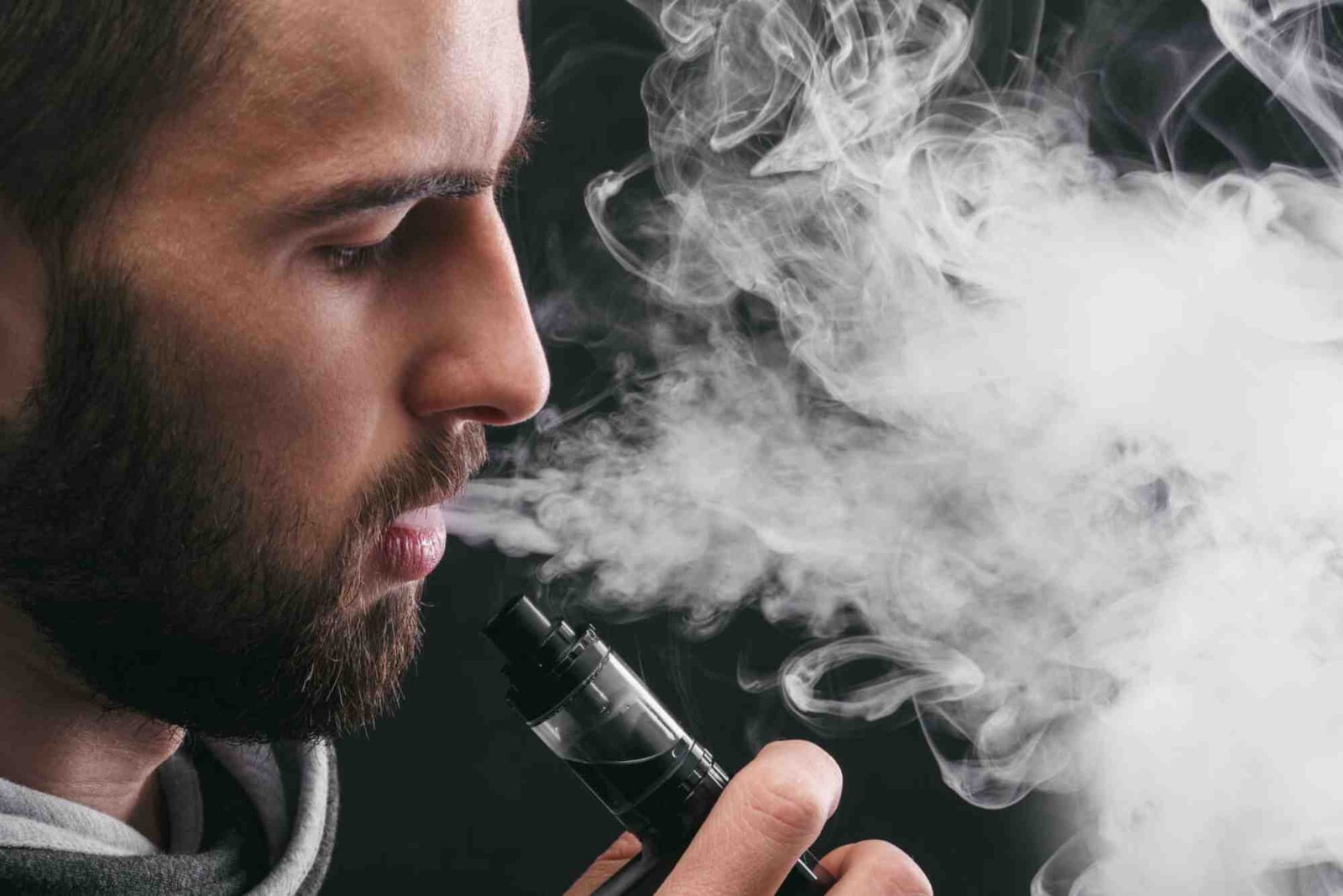


Exploring Current vape law mass in the Context of Harm Reduction
Understanding Massachusetts vaping rules requires more than knowing whether vaping is legal. The state has developed a detailed regulatory framework around nicotine products. Therefore, Exploring Current vape law mass in the Context of Harm Reduction means examining legal access alongside public health goals.
Massachusetts regulates vaping through age restrictions, flavor controls, nicotine-strength limits, licensing requirements, taxation, and packaging rules. These measures are mainly designed to reduce youth access and nicotine exposure.
At the same time, adult smokers may view vaping differently. Some adults use nicotine vaping products as an alternative to combustible cigarettes. That makes the relationship between regulation and harm reduction particularly important.
This article explains the current framework in clear terms. It also considers how Massachusetts rules affect adult consumers, retailers, and people seeking alternatives to smoking.
Exploring Current vape law mass in the Context of Harm Reduction
Massachusetts treats electronic nicotine delivery systems as tobacco products for many regulatory purposes. This category includes electronic cigarettes, vaping pens, electronic pipes, hookah pens, nicotine liquids, and related components.
The state’s approach focuses heavily on preventing youth access. However, it also controls which vaping products adults can purchase and where those products can be sold.

The basic framework can be understood through several important areas.
| Regulatory Area | Massachusetts Approach |
|---|---|
| Minimum sales age | 21 |
| Flavored vaping products | Generally restricted to licensed smoking bars for onsite consumption |
| Unflavored products up to 35 mg/mL | Permitted through authorized retail channels |
| Unflavored products above 35 mg/mL | Subject to tighter retail restrictions |
| Vaping excise tax | 75% of wholesale price |
| Nicotine liquid packaging | Child-resistant packaging required |
| Retail licensing | Required for applicable tobacco and vaping sellers |
| Local rules | Cities and towns may impose additional restrictions |
These rules make Massachusetts one of the more restrictive states for vaping products. However, restrictions can change, so current requirements should always be verified before making legal or commercial decisions.
Why Massachusetts Regulates Vaping
The central public health concern is nicotine dependence, particularly among young people. Massachusetts therefore places significant emphasis on limiting youth exposure to vaping products.
The state prohibits selling or providing tobacco products to anyone younger than 21. Electronic cigarettes and electronic nicotine delivery systems fall within the relevant tobacco-product framework.
This age restriction applies regardless of whether the product contains a traditional tobacco flavor.
The state also regulates marketing and retail practices. Retailers must follow requirements designed to reduce youth access and prevent inappropriate promotion.
From a harm-reduction perspective, this creates an important distinction. Reducing youth initiation and helping adult smokers move away from combustible tobacco are related goals. However, they are not necessarily identical policy objectives.
How Flavor Restrictions Affect Harm Reduction
Flavor restrictions are among the most significant parts of Massachusetts vape law.
Under current state law, flavored tobacco products, including flavored vaping products, generally cannot be sold to consumers through ordinary retail establishments. An exception exists for licensed smoking bars where products are sold for onsite consumption.
The restriction includes menthol and other characterizing flavors.
This policy reflects concerns that flavors can make nicotine products more appealing to young people. Massachusetts public health policy therefore places strong emphasis on limiting youth exposure to flavored nicotine products.
However, harm reduction adds another dimension.
Some adult smokers prefer flavored vaping products because they find them more satisfying than tobacco-flavored alternatives. If flavor restrictions reduce the attractiveness of vaping as a cigarette substitute, some smokers may remain dependent on combustible tobacco.
That does not mean flavored vaping products are risk-free. Instead, it highlights the challenge of balancing youth prevention with adult smoking cessation.
Nicotine Strength Rules in Massachusetts
Nicotine concentration is another important part of the Massachusetts framework.
Non-flavored vaping products containing nicotine at 35 mg/mL or less can be sold through authorized retail establishments. Products exceeding 35 mg/mL face tighter retail restrictions.
This distinction matters because nicotine strength can affect how consumers use vaping products.
Higher-strength products may deliver nicotine efficiently. However, restricting stronger products can encourage consumers to select lower-strength alternatives.
Retailers also have compliance responsibilities. They may need appropriate manufacturer information confirming nicotine concentration for products offered for sale.
Consequently, Massachusetts vape law is not simply a consumer rule. It also creates responsibilities throughout the retail supply chain.
The 75% Massachusetts Vape Tax
Cost is another important factor when considering harm reduction.
Massachusetts applies a 75% excise tax to electronic nicotine delivery systems based on their wholesale price. This tax can have a significant effect on the final retail cost of vaping products.
Although the tax operates through the supply chain, consumers can experience its effect through higher prices.
This creates a complicated public health question.
Higher prices may discourage young people from purchasing vaping products. However, higher prices can also affect adult smokers who are considering switching from cigarettes.
For harm reduction to work effectively, alternative products must remain sufficiently accessible to adults who want to move away from combustible tobacco.
Exploring Current vape law mass and Adult Smokers
The phrase Exploring Current vape law mass in the Context of Harm Reduction is particularly relevant for adult smokers.
Combustible cigarettes create smoke through burning tobacco. Vaping products instead heat liquid to create an aerosol. That does not make vaping harmless.
The health effects of long-term vaping continue to be studied. Therefore, vaping should not be described as completely safe.
For an adult who does not currently use nicotine, starting to vape is not a health strategy. For an adult smoker, however, switching completely away from combustible cigarettes represents a different risk consideration.
The key word is completely.
Using cigarettes and vaping products together does not necessarily provide the same potential benefit as replacing smoking entirely. Harm-reduction discussions should therefore avoid presenting vaping as universally safe.
Retail Licensing and Consumer Access
Massachusetts requires applicable electronic nicotine delivery system distributors and retailers to hold appropriate licenses.
This licensing structure gives authorities greater control over the legal supply chain. It also helps distinguish compliant retailers from unauthorized sellers.
For consumers, purchasing from legitimate retailers can provide greater confidence about product sourcing, labeling, and tax compliance.
It can also reduce risks associated with improperly manufactured or illegally distributed products.
Retailers should carefully review both state and local requirements before selling vaping products.
Child-Resistant Packaging Requirements
Massachusetts also addresses accidental nicotine exposure.
Nicotine-containing liquids and gels must be sold in child-resistant packaging under applicable state requirements. This requirement provides an additional safety barrier for households.
Nicotine liquids can be dangerous if improperly handled or accidentally ingested. Child-resistant packaging therefore supports an important harm-prevention goal.
Consumers should still store nicotine products securely. Packaging requirements cannot eliminate every risk associated with household storage.
Vaping in Public Places
Massachusetts also regulates smoking and vaping in public environments.
Electronic nicotine delivery systems fall within the state’s broader tobacco-control framework. Meanwhile, cities and towns can establish additional tobacco-related restrictions.
This means the exact rules can vary between communities.
A person traveling within Massachusetts should therefore avoid assuming that a rule applying in one municipality automatically applies everywhere.
For current statutes, the Massachusetts legislative portal — current statutes can provide a useful reference when checking the underlying law.
Why Local Rules Matter
Statewide law establishes the foundation, but Massachusetts municipalities can adopt stricter tobacco regulations.
Local boards of health have authority in several areas involving tobacco control. Communities may therefore impose additional restrictions on sales or use.
This local layer makes Massachusetts vape law more complicated for consumers and businesses.
A retailer should check both state requirements and local regulations before selling vaping products. Similarly, consumers should check local rules before vaping in unfamiliar public settings.
Does Massachusetts Vape Law Support Harm Reduction?
The answer depends on how harm reduction is defined.
Massachusetts law strongly supports preventing youth nicotine use. It also promotes controlled retail access, product restrictions, taxation, and cessation resources.
However, the effect on adult smokers can be more complicated.
A restrictive system may reduce access to products that some adult smokers use as cigarette alternatives. On the other hand, strict controls can reduce youth exposure and discourage nicotine initiation.
Therefore, Exploring Current vape law mass in the Context of Harm Reduction requires looking beyond a simple legal-versus-illegal question.
The broader issue is whether regulations achieve their intended public health outcomes while maintaining sensible pathways for adults seeking to stop smoking.
Frequently Asked Questions About Massachusetts Vape Law
Is vaping legal in Massachusetts?
Yes. Vaping products are legal for adults under Massachusetts law, but their sale, product characteristics, and retail locations are heavily regulated. Buyers must be at least 21 years old.
Are flavored vapes legal in Massachusetts?
Flavored tobacco and vaping products are generally restricted to licensed smoking bars for onsite consumption. The restrictions include menthol and other characterizing flavors.
What nicotine strength is legal in Massachusetts?
Unflavored electronic nicotine delivery systems containing 35 mg/mL or less can be sold through authorized retail channels. Higher-strength unflavored products face additional retail restrictions.
Can you buy vapes online in Massachusetts?
Online sales are subject to Massachusetts requirements. Certain unflavored electronic nicotine delivery systems may be sold online when applicable state requirements are satisfied.
What is the vape tax in Massachusetts?
Massachusetts imposes a 75% excise tax on the wholesale price of electronic nicotine delivery systems. The tax can affect the final retail price paid by consumers.
Can Massachusetts cities have stricter vape rules?
Yes. Municipalities can establish additional tobacco regulations within their legal authority. Local requirements may therefore be stricter than statewide requirements.
vapezx.com is an online platform focused on vape-related products and information. It can help visitors explore different vaping options, product features, and related resources. Users should always check local laws and regulations before purchasing or using vaping products.
Conclusion
Exploring Current vape law mass in the Context of Harm Reduction reveals a complicated balance between public health protection and adult access.
Massachusetts restricts flavored vaping products, controls nicotine strength, requires licensing, applies a substantial excise tax, and enforces a minimum purchase age of 21. These measures primarily address youth access and nicotine exposure.
For adults, however, the harm-reduction discussion requires greater nuance. Vaping is not harmless, and non-smokers should not begin using nicotine products. Yet adult smokers considering alternatives to combustible cigarettes may have different considerations.
The most responsible approach is to understand current regulations, evaluate reliable evidence, and avoid assuming that vaping is either completely safe or automatically equivalent to smoking.
If you are a consumer or retailer in Massachusetts, stay informed about changing vape regulations and verify current requirements before making purchasing, selling, or compliance decisions.

