





Introduction
Vaping has become a mainstream alternative to traditional smoking in the UK. Among these alternatives, vape pens are widely used, praised for convenience, flavor variety, and the perception of reduced harm. But with the evolving legal landscape, a pressing question arises: Is vape pens UK law truly backed by science, or is it largely shaped by hype and public perception? This article examines UK regulations, scientific research, and public health perspectives to provide clarity.
Understanding Vape Pens UK Law
Vape pens in the UK are regulated under specific legal frameworks to ensure safety and control over nicotine products. The main rules revolve around product standards, marketing restrictions, and usage limitations.
GOV.UK — E-Cigarette Product & Packaging Rules
The UK government mandates strict labeling and packaging for e-cigarettes. This includes clear nicotine strength indicators, child-proof caps, and health warnings. Regulations are detailed on GOV.UK — e-cigarette product & packaging rules. These measures aim to reduce misuse, accidental ingestion, and appeal to minors.
Age Restrictions and Sales Controls
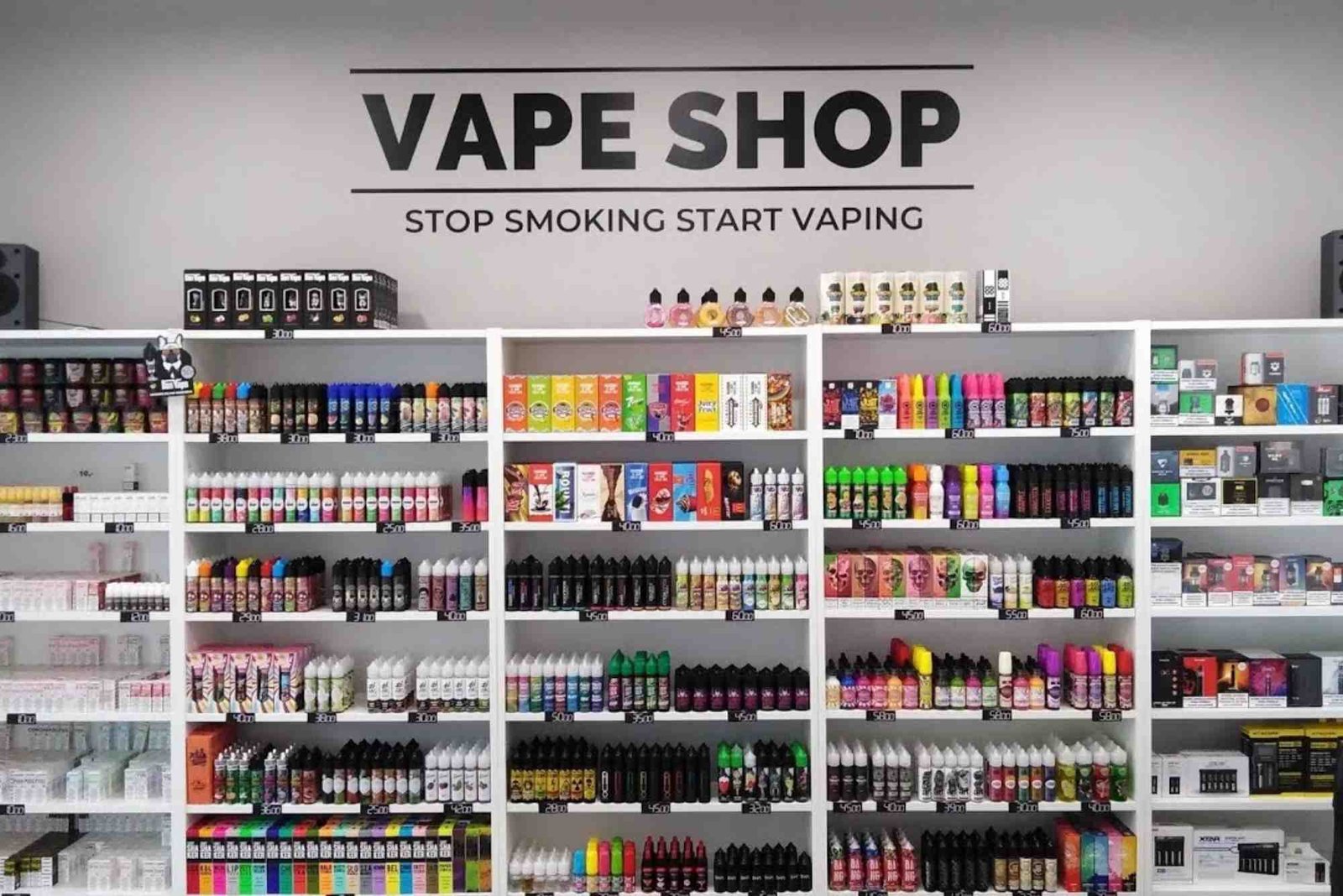
The sale of vape pens is limited to individuals over 18. Retailers must verify age and comply with licensing requirements. Online sales also face stringent verification protocols to prevent underage access.
Marketing and Advertising Limitations
Advertisements for vape pens cannot target minors, make unverified health claims, or compare vaping to traditional smoking without scientific support. These regulations ensure that promotion remains responsible and fact-based.
Science Behind Vape Pens
While law sets the boundaries, science examines the real-world impact of vape pens on health.
Nicotine Delivery and Addiction
Vape pens deliver nicotine efficiently, sometimes at levels comparable to traditional cigarettes. Research shows nicotine is highly addictive, but vaping eliminates many harmful by-products of combustion found in cigarettes. This makes vape pens a harm-reduction tool rather than a harmless product.
Chemical Composition and Safety
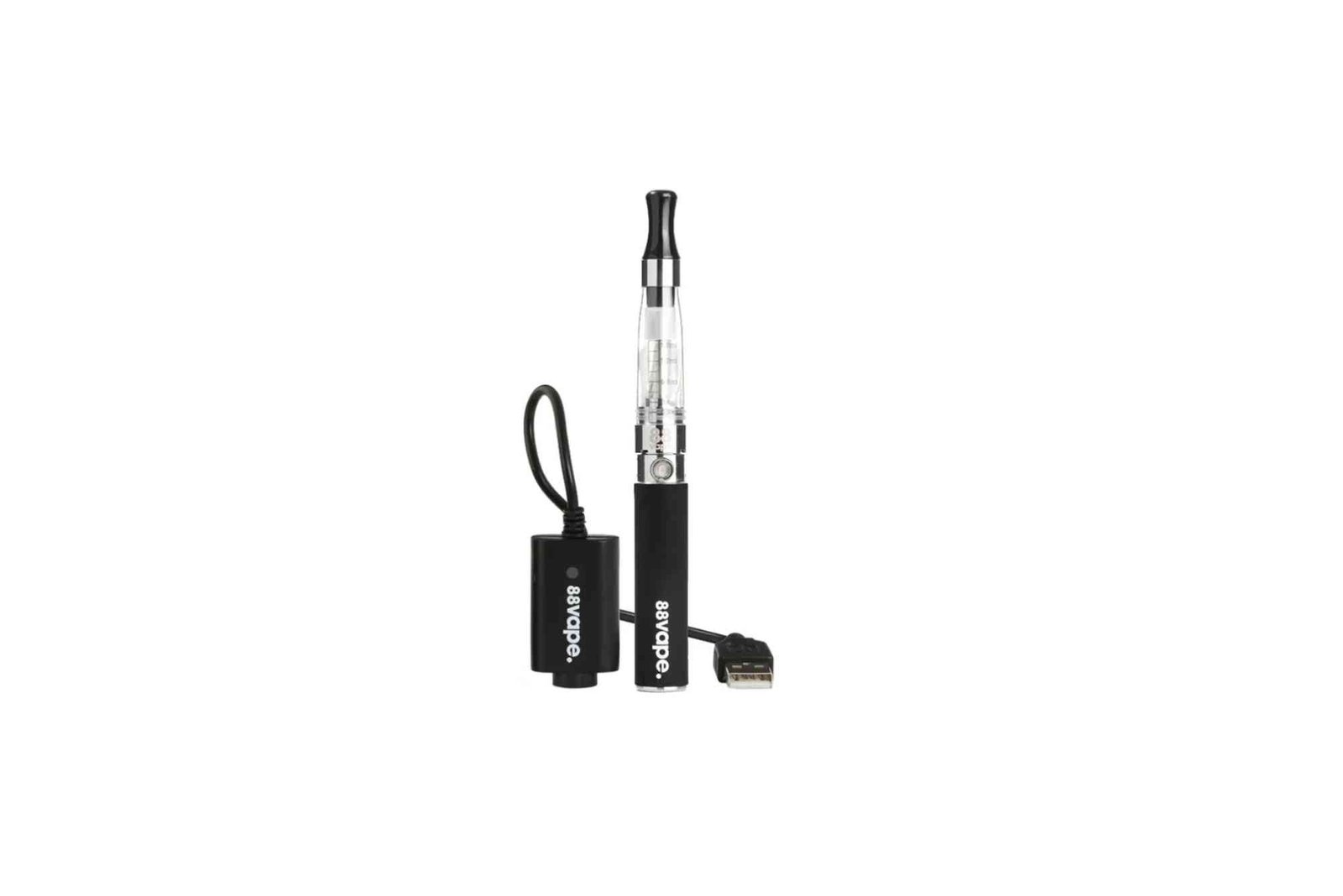
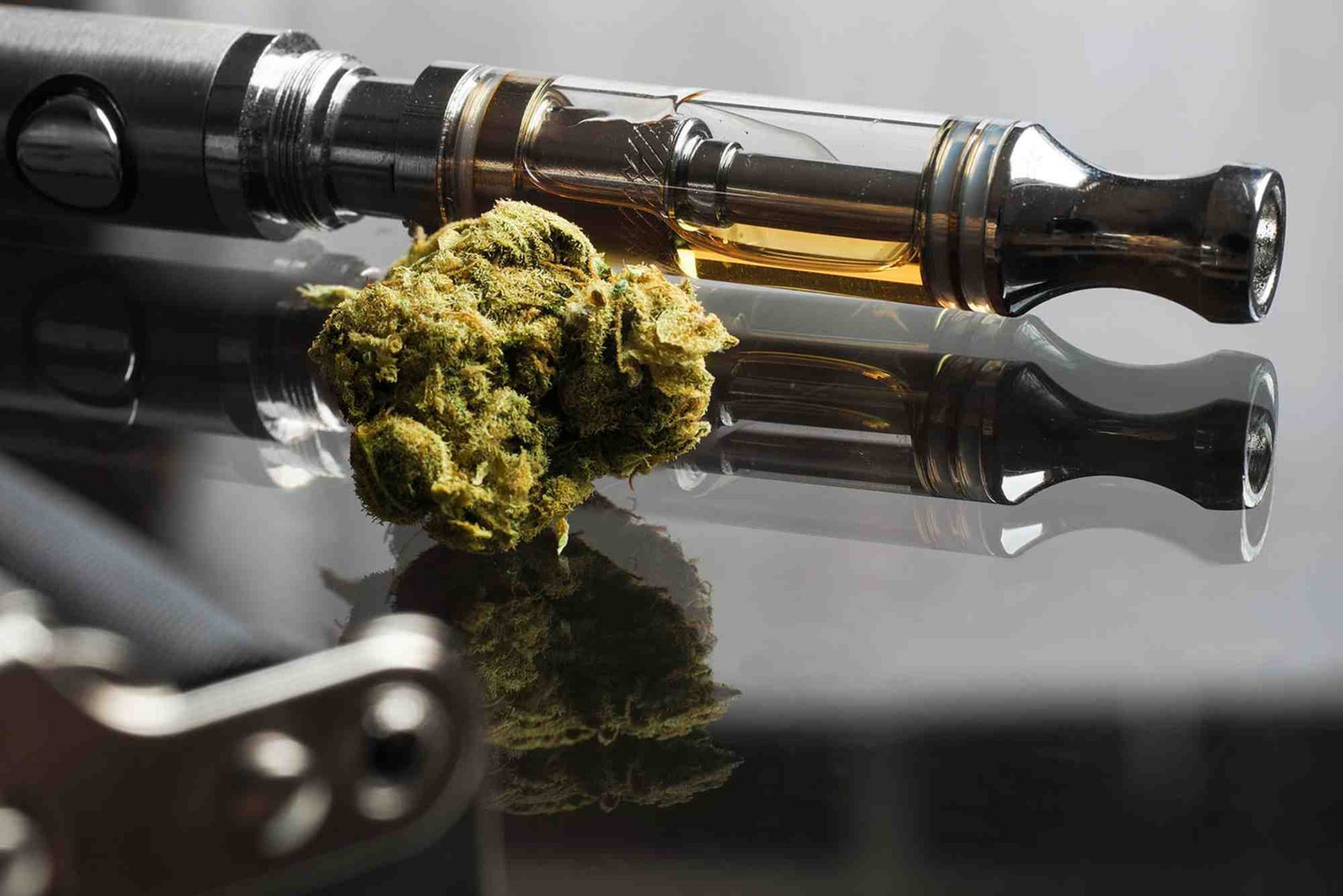
Modern vape pens contain e-liquids primarily made of propylene glycol, vegetable glycerin, flavorings, and nicotine. Studies indicate that while some chemicals can release potentially harmful compounds when heated, the levels are significantly lower than in tobacco smoke. Long-term effects are still under investigation, which is why regulations focus on limiting exposure to unknown risks.
Public Health Perspectives
Public Health England (PHE) has repeatedly stated that vaping is substantially less harmful than smoking traditional cigarettes. Their research supports regulated use as a tool for smoking cessation, but also warns against non-smokers, especially teens, taking up vaping.
Hype vs. Reality
Despite regulations and scientific backing, vape pens often come with hype that can mislead users.
Flavor Variety and Youth Appeal
The availability of sweet, fruity, or dessert flavors can make vaping appear benign or fun. This has raised concerns about youth uptake, prompting stricter flavor restrictions in some markets.
Marketing Influence
Social media campaigns often exaggerate benefits of vaping or downplay risks. While UK law restricts advertising claims, the pervasive online content contributes to misconceptions about safety and health benefits.
Misconceptions About Harm Reduction
Although vape pens are less harmful than cigarettes, they are not risk-free. The hype around “safe smoking” may lead to overuse or initiation among non-smokers, which is why law and education must complement each other.
Compliance Challenges
Despite clear rules, compliance remains a challenge. Some small retailers or online sellers bypass regulations, selling untested or mislabeled products. Enforcement by authorities is critical to maintain public trust and ensure that science-backed safety measures are followed.
Counterfeit Products
Counterfeit or illegally imported vape pens may not follow UK safety standards. These products can contain unsafe nicotine levels or toxic chemicals, underscoring the importance of purchasing from licensed retailers.
Monitoring and Reporting
The UK government monitors sales and public health outcomes, adjusting laws when evidence indicates potential harm. This scientific approach ensures that regulation evolves alongside research findings.
Vape pens UK law is largely science-backed, focusing on harm reduction, public health, and safety. Regulations on age restrictions, product standards, and marketing are designed to protect consumers while allowing smokers a less harmful alternative. However, the cultural hype surrounding vaping can sometimes overshadow scientific realities, creating misconceptions about safety and benefits.
Understanding both the legal framework and scientific evidence empowers consumers to make informed choices. If you’re considering vaping, always buy from licensed UK retailers and follow safety guidelines.
FAQs
Is vaping legal in the UK?
Yes, vaping is legal for adults over 18, provided products comply with UK regulations.
Are vape pens safer than cigarettes?
Studies indicate they are less harmful than smoking but not risk-free.
Can minors buy vape pens in the UK?
No, it is illegal to sell vape pens to anyone under 18.
Do vape pens help with quitting smoking?
Yes, regulated vape pens can be effective for smoking cessation when used correctly.
Are flavored vape pens banned in the UK?
Not entirely, but restrictions exist to prevent youth appeal and unsafe products.
Where can I find official UK vape pen regulations?
Visit GOV.UK — e-cigarette product & packaging rules for full legal guidance.
