

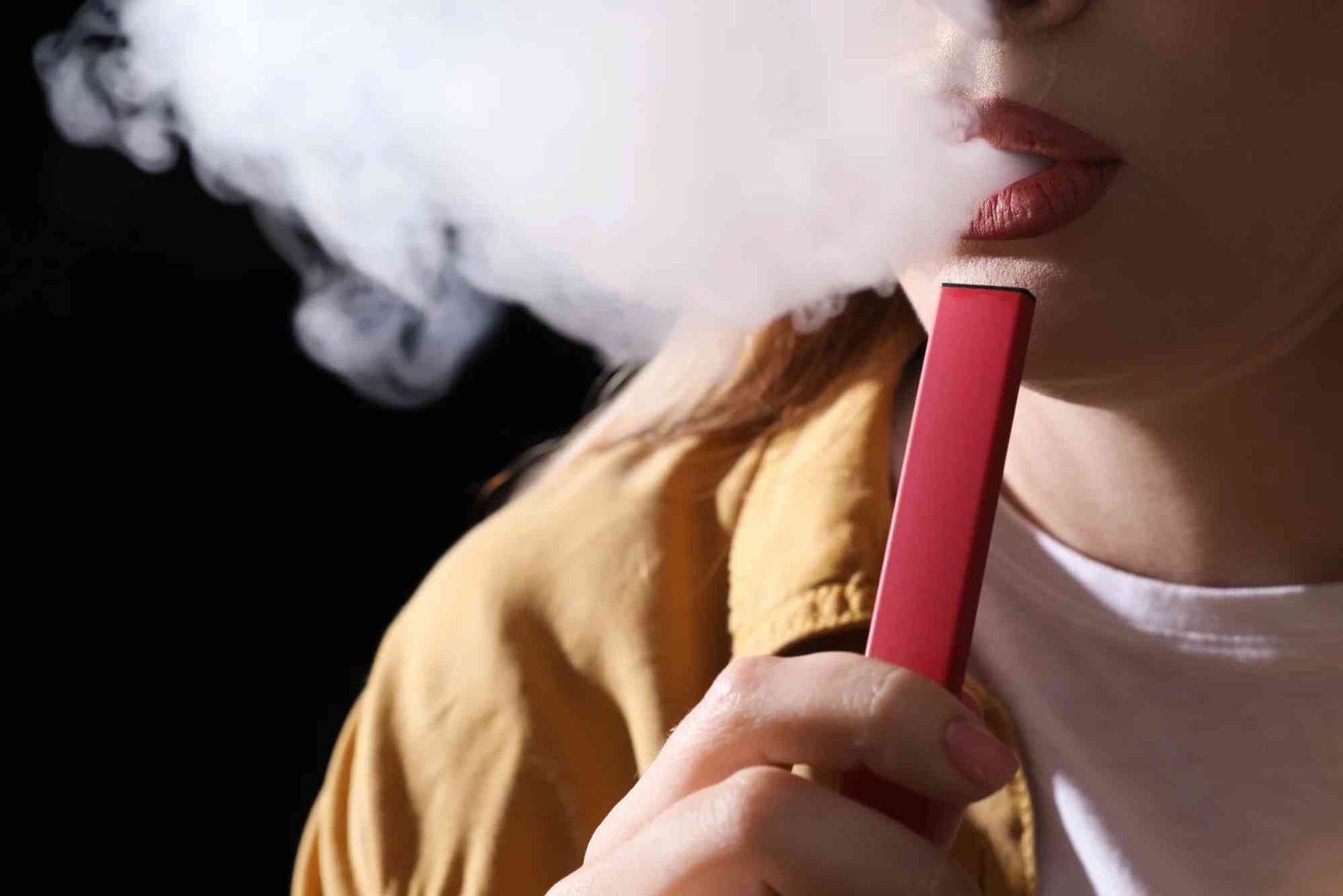
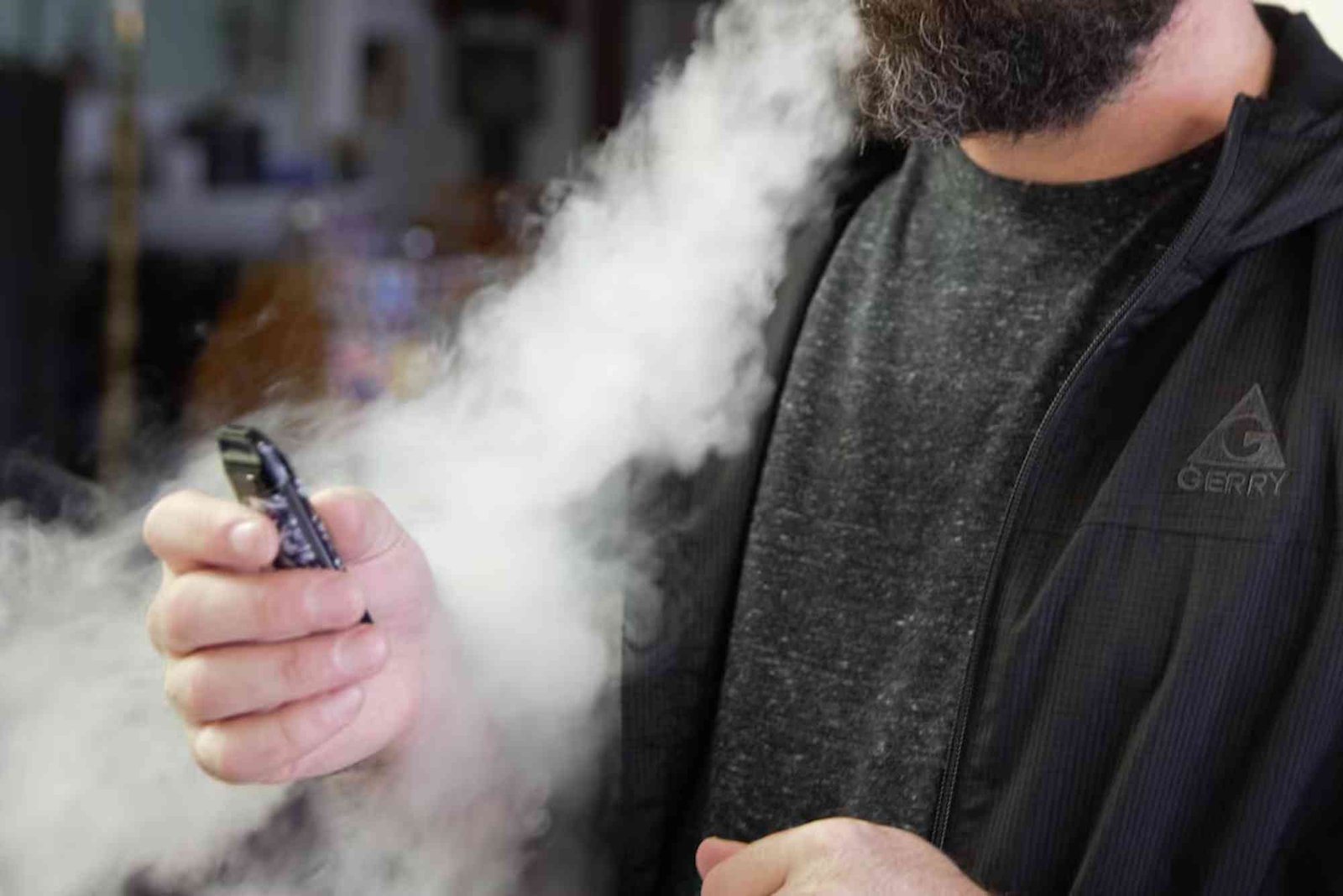




Vaping regulation has quickly become one of the most controversial topics in public health and consumer rights debates. Among these, the “Tbp vape law” — often referring to regulatory frameworks like the European Tobacco Products Directive — has divided opinion. Supporters say it protects youth and promotes safety, while critics argue it’s more hype than science. In this article, we dive into the origins, scientific foundation, and real‑world impacts of this regulation to help you understand whether this law is evidence‑based or simply perceived vape hype.
What Is the “Tbp Vape Law”?
In many discussions, Tbp vape law refers to the regulatory approach that classifies vaping products as part of tobacco legislation. Most notably, the Tobacco Products Directive (TPD) in the European Union established legal standards for e‑cigarettes, including limits on nicotine strength, product labelling, and advertising restrictions. In the UK, these measures were adopted into national laws like the Tobacco and Related Products Regulations of 2016.
The idea behind treating vape products under tobacco law was partly to ensure consumer protection and prevent youth uptake by limiting attractive features or excessive nicotine levels. These measures have been controversial, especially among the vaping community, which questions whether such laws are truly backed by science or driven by fear and hype.
The Scientific Basis for Vape Regulation
To determine whether the Tbp vape law is backed by science, we must look at what evidence policymakers considered and how scientific research has assessed these regulations.
Scientific Evidence on Vaping Risks
Scientific research shows that vaping exposes users to far fewer toxic substances than traditional smoking. Comprehensive reviews and analyses indicate that while vaping aerosols contain nicotine and other compounds linked to respiratory irritation, they generally contain significantly fewer harmful chemicals compared to cigarette smoke.
However, research also highlights that vaping is not risk‑free. Many lung irritants and volatile compounds are still present in vape emissions, and long‑term health impacts are not fully understood. There’s also uncertainty regarding how flavourings and additives behave when heated and inhaled — something regulators and scientists continue to study.
Scientific Goals Behind Regulation
The main scientific goals of regulations like TPD include ensuring product safety and reducing appeal to non‑smokers, especially youth. Limits such as maximum nicotine concentrations and restrictions on advertising stem from evidence showing that flavored products and marketing strategies can attract young users who might otherwise never smoke.
Restrictions like child‑resistant packaging and ingredient disclosure are also grounded in risk‑mitigation strategies, aiming to protect users from unknown or harmful substances.
What Research Says About Regulatory Effects
Beyond general research on vaping risks, some studies have evaluated the actual effects of regulations like those introduced under the TPD.
Youth Vape Use Trends Post‑Regulation
A natural experiment that examined e‑cigarette use in Great Britain around the time TPD regulations came into force found that the rapid growth in youth vaping observed before implementation slowed or plateaued afterward. This suggests that regulation may have had an impact on reducing new uptake among young people — a key public health goal.
However, it is important to note that these results remain observational and do not prove causation. Other social factors, public health campaigns, and broader trends could also have influenced youth vaping patterns during this period.
Smoking Rates and Vape Regulation
Evidence indicates that overall smoking rates continued to decline after the introduction of TPD measures. Some researchers see this as supportive of public health efforts, although the role of vaping itself in this trend is still debated.
Critics: Hype or Misapplied Science?
Despite scientific support for many regulatory goals, critics argue that some aspects of the Tbp vape law are more about political expediency or public fear than evidence‑based policy.
Who Says What?
Experts like Professor Peter Hajek have noted that while some vape regulations make sense, others — such as banning all flavors — may be misguided because adult smokers trying to quit often prefer non‑tobacco flavors. Critics contend that overly strict regulations could reduce vaping’s effectiveness as a smoking cessation tool.
Some public commentary suggests that calling all vape products “tobacco products” may lack a clear scientific basis since many contain nicotine derived from tobacco but do not contain tobacco itself — a nuance that gets lost in legislative language.
The Risk of Unintended Consequences
Evidence and expert opinion also highlight the risk of unintended consequences where overly restrictive rules push users toward unregulated black market products or lead adult smokers back to traditional cigarettes because of less appealing alternatives.
Finding Balance: Regulation That Works
The science around vaping and related laws like the Tbp vape law is complex. On one hand, there is good reason to regulate product safety and youth appeal. On the other, strict measures without clear evidence of measurable benefits can risk alienating smokers who might benefit from switching to less harmful alternatives.
Effective regulation should be rooted in ongoing scientific studies, public health data, and transparent evaluation of outcomes. Policymakers must balance risk reduction, especially for youth, with opportunities to help adult smokers transition away from combustible tobacco.
Science, Hype, or Both?
So, is the Tbp vape law backed by science or just vape hype? The answer isn’t black and white. Many aspects of current regulation, especially those focused on safety and youth prevention, are grounded in scientific evidence and legitimate public health goals. However, European Commission — Tobacco Products Directive (TPD) overview some critics argue that parts of the regulatory framework reflect political caution or public perception rather than solid, long‑term evidence.
Overall, the Tbp vape law reflects a mixture of scientific support and precautionary policy. For now, it stands as a regulatory compromise — one that seeks to protect public health while acknowledging both the potential benefits and risks of vaping.
FAQs
Is vaping completely safe?
No. Vaping is generally considered less harmful than smoking cigarettes, but it still carries risks, especially for non‑smokers and youth.
Does the Tbp vape law reduce youth vaping?
Some research suggests that youth vaping growth slowed after regulations like TPD came into force, but causality is not definitively proven.
Is there scientific evidence for nicotine limits in vape products?
Nicotine limits are aimed at reducing addiction potential and entry into regular use, supported by research into youth appeal and addiction patterns.
Do vape laws make it harder for smokers to quit?
There’s debate. Some argue strict rules reduce harm, while others say they could make vaping less attractive to adult smokers trying to quit.
Looking for the latest in vaping products and accessories? Check out vapezx.com for a wide selection, great deals, and fast shipping. Whether you’re new to vaping or a seasoned enthusiast, vapezx.com has everything you need to enhance your experience.
