




Introduction
Vaping has become a hot topic in recent years, especially in states like New Hampshire. In 2021, NH introduced stricter vape laws aimed at protecting youth and regulating the industry. But the question remains: are these laws truly backed by science, or are they more about hype and public pressure? Understanding the facts is crucial for policymakers, parents, and vapers themselves.
Vape Laws 2021
New Hampshire’s 2021 legislation introduced significant restrictions on vaping. These rules primarily focus on preventing youth access to e-cigarettes, limiting flavors, and regulating marketing strategies. With vaping rates among teens rising nationally, lawmakers argued that stricter rules were necessary. However, the debate continues over whether these laws reflect scientific consensus or merely react to public concern.
The Core Provisions of NH Vape Laws
Age Restrictions and Sales Regulations
One of the central components of NH vape laws 2021 is the minimum age requirement of 21 for purchasing e-cigarettes. Retailers face fines and license suspensions for non-compliance. This measure aligns with studies showing that early exposure to nicotine increases addiction risk.
Flavor Bans and Marketing Restrictions
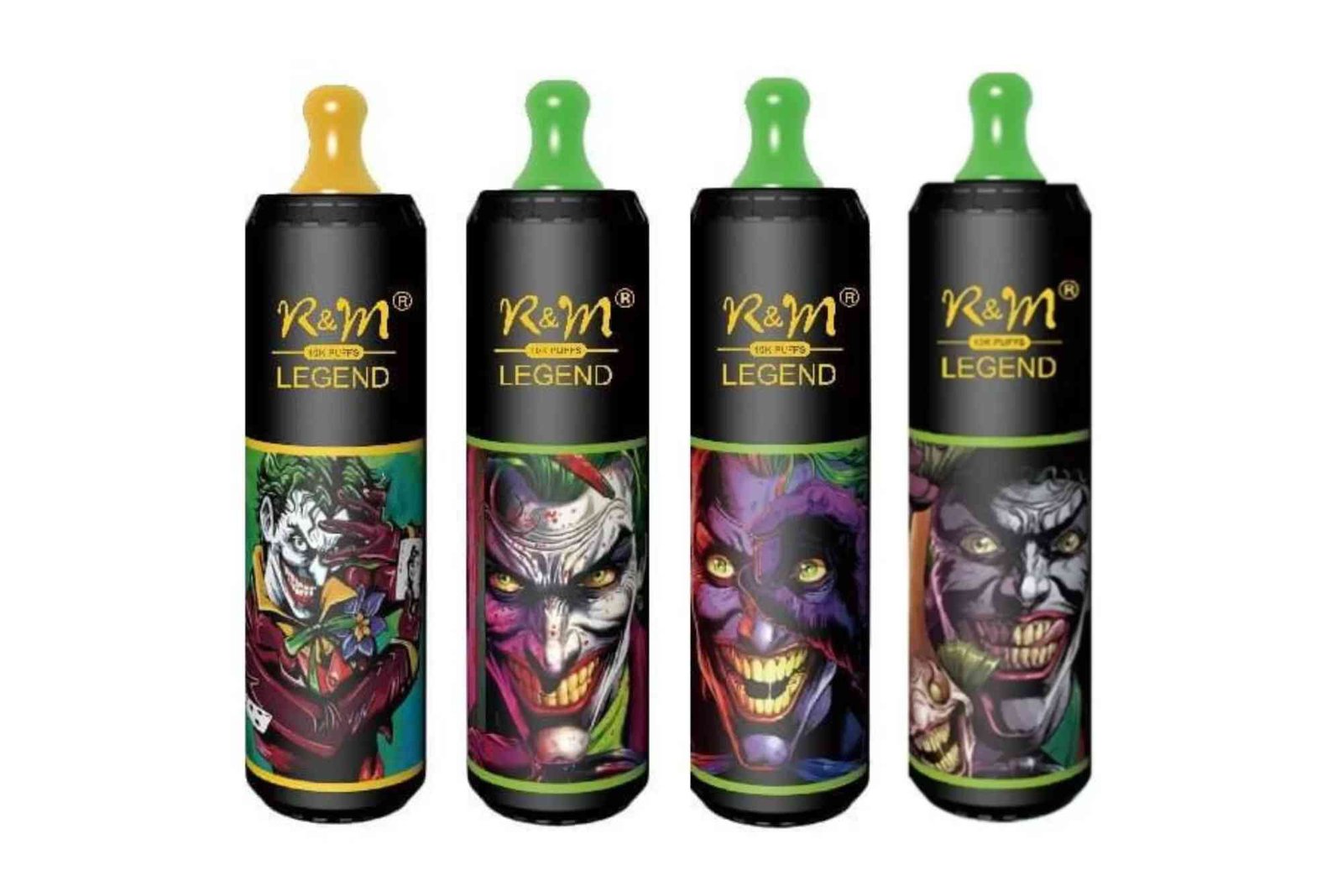
The law also limits certain flavored e-liquids believed to appeal to youth. Scientific studies indicate that flavors like candy and fruit increase experimentation among teens. However, critics argue that adult smokers using flavors to quit combustible cigarettes may face unintended consequences.
Public Use and Labeling Requirements
Vaping in public spaces is regulated under NH law, similar to traditional smoking bans. Clear labeling and health warnings are mandatory. This is supported by research indicating that secondhand aerosol exposure, though lower than cigarette smoke, can still contain harmful chemicals.
Scientific Evidence vs. Vape Hype
Health Risks: What the Research Shows
Scientific studies on vaping have shown mixed results. Short-term research confirms that e-cigarettes are generally less harmful than traditional cigarettes, but long-term effects remain uncertain. The chemicals in e-liquids, particularly those in flavored products, may pose respiratory and cardiovascular risks.
Nicotine Addiction and Youth Impact
Data consistently shows that adolescents are more susceptible to nicotine addiction. NH laws restricting youth access align with findings from public health organizations. However, some argue that banning flavors and access may push teens toward black-market products rather than preventing use.
Evaluating the Role of Hype
Media coverage often amplifies the risks of vaping, sometimes exaggerating dangers compared to traditional smoking. This can create public pressure for laws that may not fully reflect scientific nuance. While safety is crucial, it’s important to balance hype with evidence-based policymaking.
Comparing NH Vape Laws to Other States
New Hampshire’s approach is similar to neighboring states like Massachusetts and Vermont, which also enforce strict age limits and flavor restrictions. Differences lie in enforcement intensity and scope of bans. Studying these states shows that laws can reduce teen vaping rates, but not completely eliminate it.
The Role of the New Hampshire Department of Health
The New Hampshire Department of Health — vaping & youth rules provides guidance, public education, and compliance oversight. They emphasize evidence-based strategies to reduce youth vaping and promote cessation programs. Public health campaigns backed by research have shown measurable reductions in teen vaping.
Public and Expert Opinions
Supporters of the Law
Supporters argue that NH vape laws 2021 are rooted in protecting public health. Research on nicotine addiction and early exposure supports age limits and flavor bans. Health advocates believe these measures prevent a new generation from lifelong dependence.
Critics and Skeptics
Critics claim the laws overreach and harm adult smokers seeking alternatives. Some experts argue that evidence for flavor bans preventing teen addiction is limited. They suggest a harm-reduction approach could be more scientifically grounded.
Practical Implications for Vapers
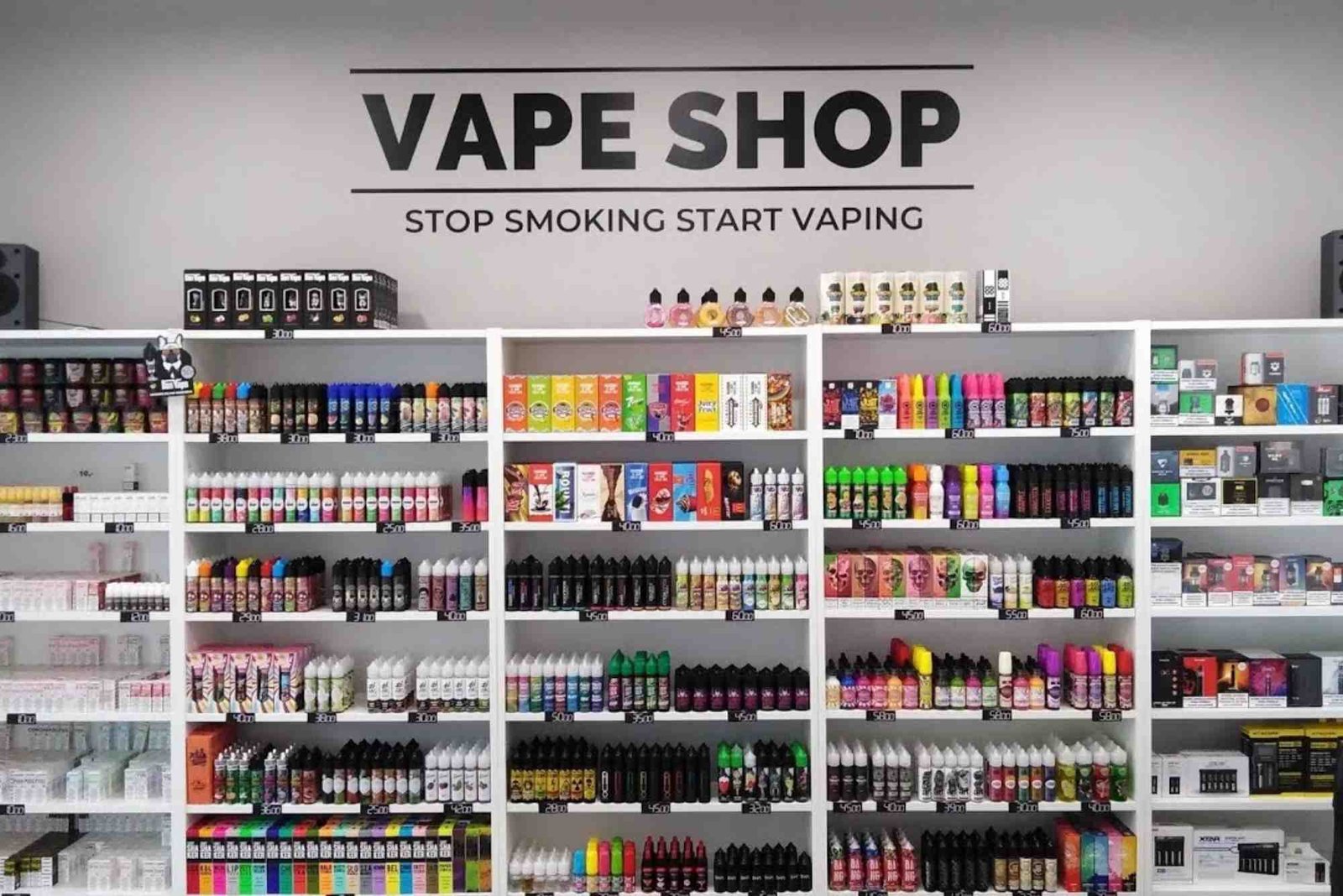
Vapers must understand that NH laws affect purchasing, public use, and product availability. Adults may need to seek regulated vendors or adapt to flavor restrictions. Compliance is crucial to avoid penalties and support public health goals.
Evidence or Hype?
New Hampshire vape laws 2021 appear to be partially backed by science, especially regarding youth nicotine addiction and basic safety concerns. However, some measures, particularly flavor bans, may be influenced by public perception and media hype. A balanced approach is necessary, combining evidence-based regulation with harm-reduction strategies for adults.
For more detailed guidance, visit the New Hampshire Department of Health — vaping & youth rules. Stay informed, follow the regulations, and support initiatives that protect health without unnecessary fear.
FAQs
Are NH vape laws 2021 effective in reducing teen vaping?
Early data shows a modest decline, but enforcement and education are key factors.
Can adults still use flavored e-cigarettes in New Hampshire?
Flavor restrictions target youth-accessible products, but adults may face limited availability.
Are the health risks of vaping worse than smoking cigarettes?
Studies suggest vaping is less harmful than smoking but not risk-free. Long-term effects are still under investigation.
How does NH enforce vape sales regulations?
Retailers face fines, license suspensions, and inspections to ensure compliance with age and labeling rules.
Where can I find official guidance on NH vape laws?
The New Hampshire Department of Health — vaping & youth rules provides comprehensive, up-to-date information.
Vaping regulations continue to evolve. Understanding NH vape laws and the science behind them empowers individuals and communities to make informed, safe choices.
