





Exploring Why Are Big Vapes Illegal in the Context of Harm Reduction
The question of why are big vapes illegal has become increasingly common among adult smokers, vapers, policymakers, and public health researchers. Large vape devices can offer longer use between refills or replacements. However, their size, capacity, nicotine delivery, and intended use can create regulatory concerns.
Exploring why are big vapes illegal in the context of harm reduction requires more than looking at device size. In many countries, regulators focus on liquid capacity, nicotine concentration, product safety, emissions, and whether manufacturers comply with notification requirements. Therefore, a large-looking vape is not automatically illegal.
In the European Union, for example, the Tobacco Products Directive establishes safety, quality, notification, and technical requirements for electronic cigarettes. It also limits nicotine-containing refill containers to 10 ml and cartridges or tanks to 2 ml. Nicotine-containing liquids are limited to 20 mg/ml.
These rules help explain why some high-capacity products are unavailable through legal retail channels. They also raise an important harm-reduction question. Does restricting larger devices protect consumers, or could it encourage some users to seek unregulated products?
Exploring Why Are Big Vapes Illegal Under Modern Regulations
Exploring why are big vapes illegal starts with understanding what regulators mean by “big.” Consumers often use this phrase to describe devices with large tanks, high puff claims, powerful batteries, or unusually high nicotine capacity.
These characteristics are not identical from a legal perspective. A device can be physically large while complying with local requirements. Conversely, a compact device can be illegal if its nicotine concentration or liquid capacity exceeds the applicable limit.

The European Commission explains that the Tobacco Products Directive establishes rules for the manufacture, presentation, and sale of electronic cigarettes. It also provides safety and quality requirements for these products.
This means legality depends on the product’s specifications and the country’s implementation of the rules.
Why Do Regulators Limit Vape Capacity?
Capacity limits can serve several regulatory purposes. First, they make the amount of nicotine-containing liquid available to consumers easier to control.
A larger tank or disposable reservoir can potentially contain substantially more liquid than permitted products. If that liquid contains nicotine, the total amount of nicotine available within the product becomes a regulatory concern.
Capacity limits can also support consistent product standards. Regulators can evaluate products within defined technical boundaries rather than allowing manufacturers to create increasingly large reservoirs.
Under the EU framework, nicotine-containing refill containers have a maximum volume of 10 ml, while cartridges and tanks have a maximum capacity of 2 ml.
These limits are therefore about more than physical appearance. They create measurable standards that manufacturers must follow.
Are Big Vapes Always Illegal?
No. This is one of the most important distinctions when exploring why are big vapes illegal.
There is no universal international rule declaring every large vape device illegal. Laws differ between countries and sometimes between regions within the same country.
Some jurisdictions regulate tank capacity. Others focus on nicotine strength, disposable products, flavors, licensing, packaging, or product authorization. Some jurisdictions impose several restrictions simultaneously.
The EU provides a useful example because its common framework establishes baseline requirements, while individual Member States can adopt additional measures in certain circumstances. The European Commission currently records national measures concerning restrictions on certain electronic cigarettes, including disposable products.
Therefore, consumers should not assume that a device legal in one country is automatically legal elsewhere.
How Big Vapes Relate to Harm Reduction
Harm reduction is an important part of this discussion because vaping is often considered in relation to combustible tobacco.
Combustible cigarettes expose users to smoke produced by burning tobacco. Vaping does not involve tobacco combustion in the same way. However, vaping is not risk-free, and nicotine can cause dependence.
For an adult smoker who completely switches from cigarettes to a regulated vaping product, the potential harm profile can differ from continued smoking. Yet this does not mean every vaping product provides the same level of risk or regulatory compliance.
This distinction matters when exploring why are big vapes illegal. Regulators may support access to appropriately controlled alternatives while restricting products that fall outside established safety or quality requirements.
The objective is not necessarily to treat vaping and smoking as identical. Instead, regulation can attempt to balance adult harm reduction with consumer protection and youth prevention.
The Difference Between Legal Vaping and Unregulated Products
A legal vaping product is normally subject to applicable requirements before it can be marketed. Depending on the jurisdiction, these requirements can involve ingredients, emissions, packaging, warnings, nicotine limits, product notifications, and technical specifications.
The European Commission states that the EU framework includes safety, quality, and notification requirements for electronic cigarettes.
An oversized product that ignores these requirements may therefore be illegal because of its specifications rather than simply because it looks large.
This distinction is especially important for consumers. Product size alone does not tell you whether a vape is compliant.
| Feature | Why regulators may care | Example under EU/TPD framework |
|---|---|---|
| Tank or cartridge capacity | Controls the amount of nicotine liquid available | Maximum 2 ml |
| Refill container | Limits the volume of nicotine-containing liquid | Maximum 10 ml |
| Nicotine concentration | Controls nicotine strength | Maximum 20 mg/ml |
| Product notification | Helps authorities monitor products entering the market | Notification requirements apply |
| Safety and quality | Supports consistent manufacturing standards | Requirements apply to e-cigarettes |
| Packaging and warnings | Provides consumer information | Specific information requirements apply |
Why High-Capacity Disposable Vapes Create Extra Concerns
Large disposable vapes have attracted particular attention because their marketing can emphasize extremely high puff counts. Such products can appear convenient because consumers may use them for extended periods without replacing them.
However, a high puff claim does not necessarily determine legality. Regulators may instead examine the actual liquid capacity, nicotine concentration, product design, and whether the device meets applicable requirements.
Regulatory guidance on device capacity & product standards (EU/TPD example)
This is another reason why exploring why are big vapes illegal requires careful terminology.
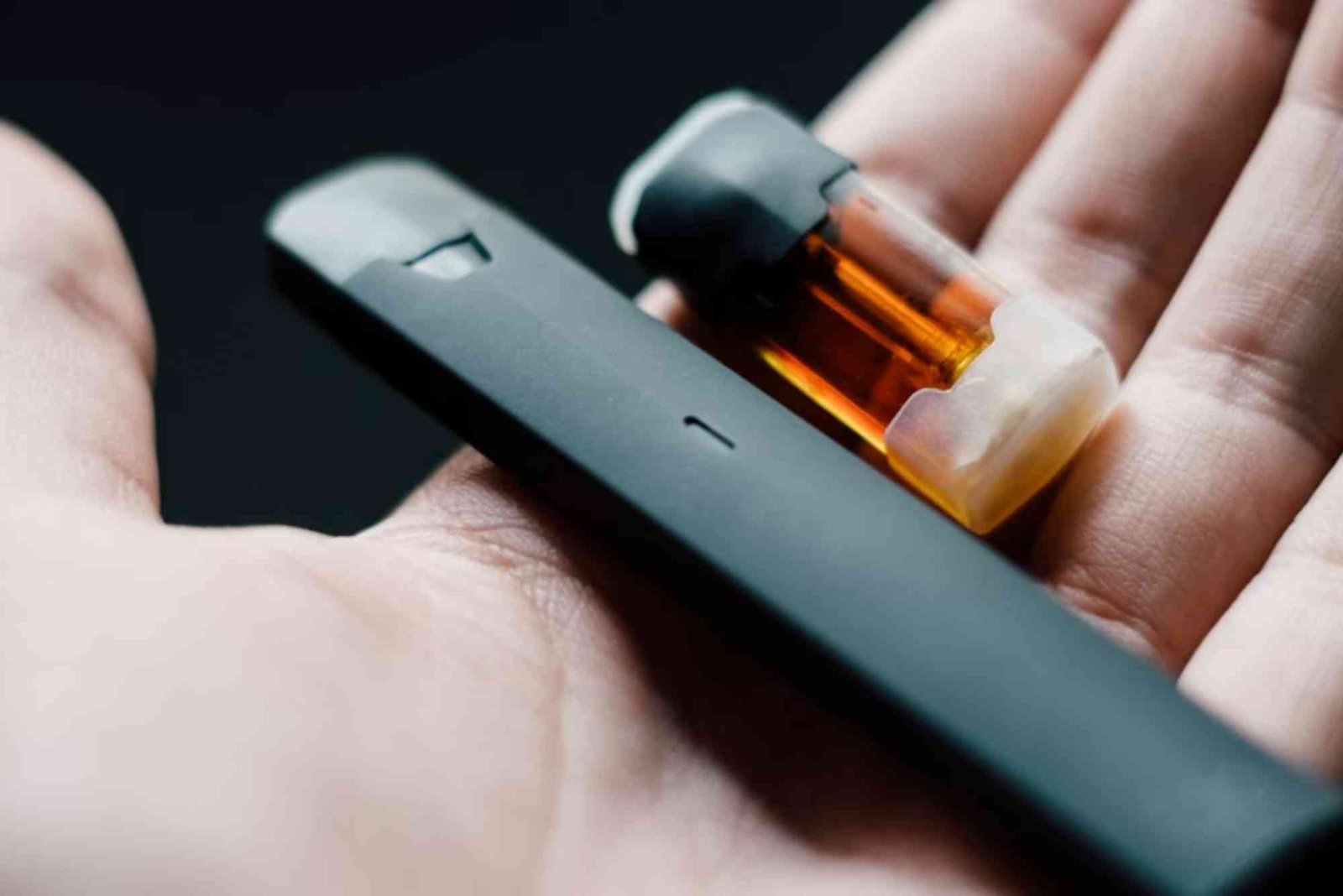
A product marketed as a “big vape” could refer to a large physical device, a high-puff disposable, a powerful rechargeable device, or a product with a large liquid reservoir. These are legally different characteristics.
Does Bigger Mean More Harmful?
Not necessarily.
Physical size alone cannot establish the health risk of a vaping product. A larger device could simply have a larger battery or different hardware design.
However, larger liquid capacity can affect how much e-liquid is available for consumption. Nicotine concentration also matters. Usage frequency matters as well.
Therefore, consumers should avoid assuming that a larger device is automatically safer or more dangerous.
A more useful approach is to examine the complete product. This includes nicotine strength, liquid volume, ingredients, manufacturing quality, labeling, and legal status.
Why Nicotine Limits Matter for Harm Reduction
Nicotine limits are central to the regulatory debate.
Nicotine is addictive, and excessive exposure can create health concerns. Consequently, governments may establish maximum concentrations to control how much nicotine products can deliver.
The EU’s Tobacco Products Directive limits nicotine-containing liquids to 20 mg/ml.
From a harm-reduction perspective, the challenge is finding a balance. A product must provide enough nicotine for adult smokers who are trying to move away from cigarettes, while avoiding unnecessarily high concentrations.
This balance is one reason regulations continue to attract debate among public health professionals, consumers, manufacturers, and policymakers.
Could Strict Vape Restrictions Undermine Harm Reduction?
This is a complicated question.
If legal products become difficult to access, some consumers may look for products through informal or unregulated channels. Those products may not provide the same level of quality control, labeling, or regulatory oversight.
That possibility does not mean restrictions are automatically harmful. It means policymakers must consider how regulation affects real-world consumer behavior.
Effective harm reduction requires more than simply banning individual products. It also requires practical alternatives, accurate information, enforcement against illegal sales, and appropriate access for adults who use vaping as an alternative to smoking.
The strongest regulatory approach therefore considers both intended and unintended consequences.
Why Are Big Vapes Illegal in Some Countries but Legal Elsewhere?
National governments have different public health priorities and regulatory systems.
One country may allow certain refillable devices while restricting disposable products. Another may impose strict nicotine limits. A different jurisdiction may restrict vaping products almost entirely.
Even within Europe, national measures can add requirements beyond the common framework. The European Commission lists several Member State measures involving prohibitions or restrictions on certain electronic cigarettes.
This makes location extremely important.
Consumers searching for “why are big vapes illegal” should therefore include their country or region when checking current requirements. General internet discussions cannot replace local legislation.
What Does the EU/TPD Example Tell Consumers?
The EU/TPD example demonstrates how regulators can control vaping through measurable product standards.
Instead of simply saying that large vapes are dangerous, the framework establishes specific technical requirements. Capacity, nicotine concentration, safety, quality, notification, and consumer information all become part of the regulatory process.
For consumers, this approach provides a useful lesson.
A vape’s appearance is not enough to determine legality. Checking the specifications and the rules applicable in your country is much more reliable.
For anyone researching regulatory guidance on device capacity and product standards, the EU framework provides a useful example of how technical limits can be incorporated into tobacco and vaping regulation.
Frequently Asked Questions
Why are big vapes illegal?
Big vapes may be illegal when their tank capacity, liquid volume, nicotine strength, design, or other specifications exceed local legal limits. However, large physical size alone does not automatically make a vape illegal.
Are high-puff vapes illegal?
A high puff count does not automatically determine legality. Authorities may examine liquid capacity, nicotine concentration, product design, and other requirements. Rules vary considerably between jurisdictions.
Why are large disposable vapes banned?
Large disposable vapes can face restrictions because of concerns involving capacity, waste, youth appeal, nicotine exposure, and compliance. Some jurisdictions have introduced specific measures against disposable electronic cigarettes.
Are bigger vapes more harmful?
Not necessarily. Device size alone does not establish health risk. Nicotine concentration, ingredients, usage patterns, product quality, and frequency of use are more relevant factors.
What is the legal vape tank size in the EU?
Under the EU Tobacco Products Directive framework, cartridges and tanks for nicotine-containing liquids have a maximum volume of 2 ml. Refill containers can contain up to 10 ml.
What is the maximum nicotine strength under EU rules?
The EU framework sets a maximum nicotine concentration of 20 mg/ml for nicotine-containing liquids.
Conclusion: Understanding Big Vapes Through Harm Reduction
Exploring why are big vapes illegal in the context of harm reduction reveals that the issue is more complicated than device size.
Large vapes are not universally illegal. Instead, certain products can become illegal when they exceed capacity limits, contain excessive nicotine, fail safety requirements, or otherwise fall outside local regulations.
The EU/TPD framework illustrates this approach clearly. It establishes limits for tank capacity, refill containers, nicotine concentration, product notification, and safety requirements.
From a harm-reduction perspective, effective regulation should recognize the difference between adult smokers seeking alternatives and non-smokers who may begin using nicotine products.
Consumers should therefore check current regulations before buying or using a high-capacity vape. Product specifications should be compared with the requirements that apply in their country.
Understanding the rules is the first step toward making informed decisions. If you are researching vaping laws, device capacity, or harm-reduction policy, always consult current official regulatory guidance rather than relying on a product’s marketing claims.
Exploring Smoking electronic cigarettes in the Context of Harm Reduction highlights how e-cigarettes may offer adult smokers an alternative to traditional tobacco. While vaping is not risk-free, switching completely from combustible cigarettes can reduce exposure to many harmful chemicals. Understanding the benefits, risks, and responsible use can help adults make informed decisions about harm reduction.
Related Reading: Exploring Are Vapes illegal In India in the Context of Harm Reduction

