



Introduction
The term “vaping illegal Michigan” reflects growing regulatory efforts in the state to control e-cigarettes, particularly among youth. These efforts include age restrictions, bans on flavored vaping products, and tighter retail controls. But do these regulations reflect genuine harm reduction—reducing damage and risk for smokers—or do they create unintended harms? This article explores that tension.
We reference official resources from the Michigan Department of Health and Human Services (MDHHS) and the Michigan Legislature to provide context.
What Is the Legal Status of Vaping in Michigan?
Laws and Age Restrictions
Michigan has enacted several public acts to regulate vapor products.
- Under Michigan Public Act 167 of 2022, the minimum sale age for vapor products was raised from 18 to 21.
- Retailers are required to verify the age of anyone appearing under 27 via government-issued ID.
- Liquid nicotine must meet child-resistant packaging standards.
These laws aim to prevent underage access and reduce nicotine addiction risk among minors.
Bans on Flavored Vaping Products
In 2019, Michigan banned the sale of flavored nicotine vaping products to protect children. The rationale was to curb youth vaping, which MDHHS had declared a public health emergency. The ban applied to retail and online sales and included marketing restrictions.
Possession was not strictly prohibited, meaning adults could still use vaping products that complied with the law.
Retail Regulations and Compliance
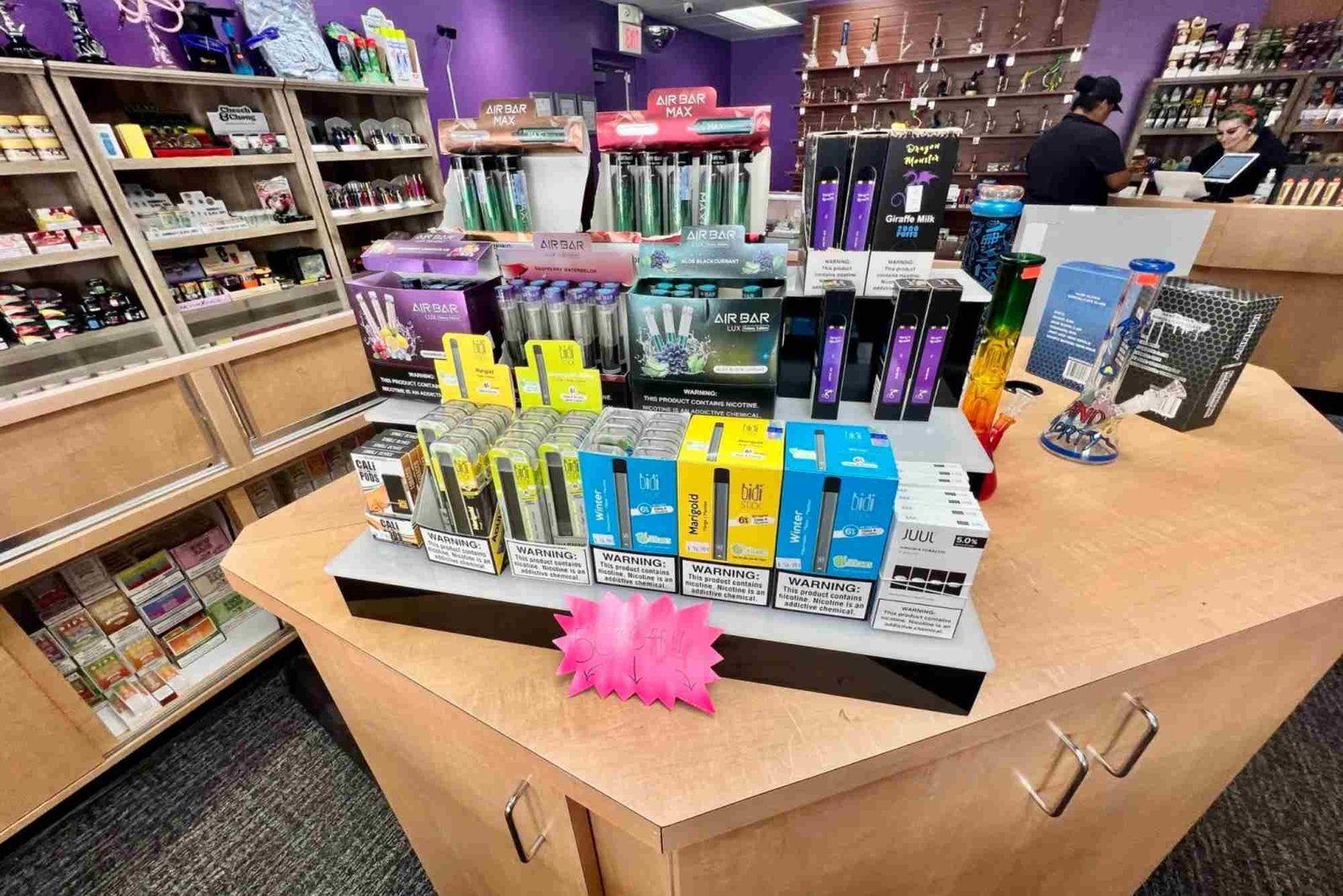
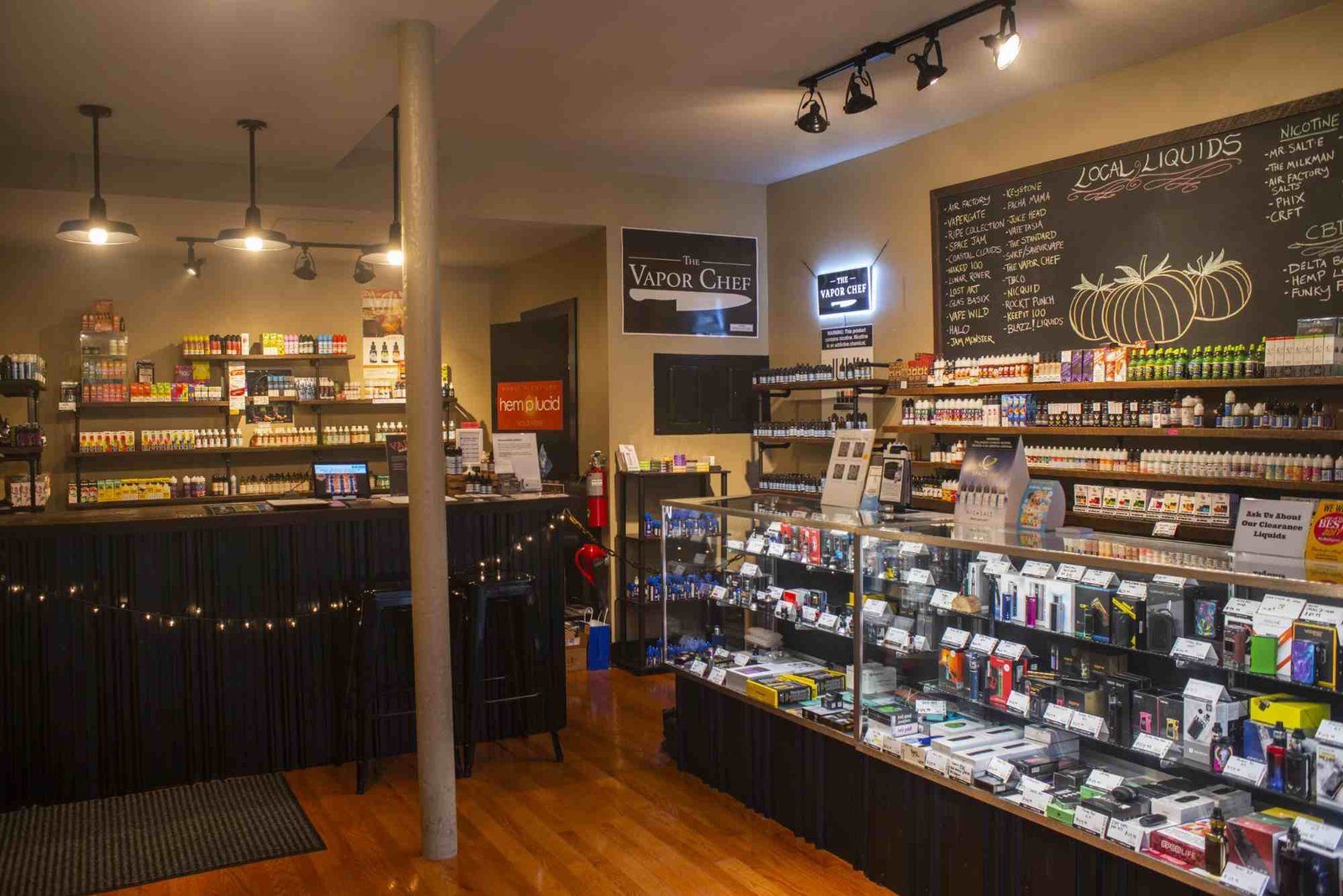
Retailers must store vapor products behind counters or in locked cases. Self-service displays are prohibited except in specialty stores. Online sales must comply with age verification and adult-signature-on-delivery requirements.
Enforcement & Penalties
Selling to anyone under 21 is illegal. Minors may face civil fines or required health education. Retailers violating rules can face fines or other penalties.
The Rationale: Why Michigan Targeted Vaping
Youth Vaping Surge and Public Health Concerns
Between 2017 and 2018, e-cigarette use among high school students in Michigan rose dramatically. Sweet and fruit-flavored products were identified as particularly enticing. Nicotine is highly addictive and harmful to developing brains.
Legislation and regulation aimed to curb access, reduce appeal, and limit nicotine initiation among youth.
Safety, Unknown Risks & Health Advisories
Public health officials warned about lung illnesses and other risks tied to vaping, especially with unregulated or illicit products. Michigan issued advisories discouraging use among youth, pregnant women, non-smokers, and those using unsafe products.
Regulators argue that limiting vaping reduces potential long-term harms to individuals and public health.
Vaping vs Harm Reduction: Can Michigan’s Restrictions Support Safer Outcomes?
What Is Harm Reduction in Smoking/Vaping?
Harm reduction refers to strategies that reduce negative health consequences for risky behaviors instead of demanding total abstinence. In smoking, it may mean encouraging smokers to switch to e-cigarettes to reduce exposure to tar, carbon monoxide, and other toxins.
In vaping, harm reduction balances preventing new users—especially youth—from starting nicotine use while allowing existing smokers safer alternatives.
Do Michigan’s Laws Achieve That Balance?
Support for harm reduction:
- Restricting minors reduces early nicotine addiction.
- Banning flavors that appeal to youth may deter initiation while allowing adult smokers to use approved products.
- Packaging and retail safeguards prevent accidental ingestion and reduce circulation of unsafe products.
Challenges:
- Banning flavors can push users to illicit markets with unknown risks.
- Adults using vaping to quit smoking may have limited access and potentially return to combustible cigarettes.
- Strict regulation may discourage smokers from switching, even if vaping is less harmful.
Thus, Michigan’s approach protects youth but complicates harm reduction for adult smokers.
Additional Context: What’s Not Covered by Statewide Law
Michigan’s clean indoor air laws do not automatically treat vaping like smoking. Local municipalities or property owners can allow or prohibit vaping independently. Michigan Legislature / MDHHS — vaping law pages Access and use can therefore vary, affecting both prevention and harm reduction efforts.
The Bigger Picture: Vaping, Public Health, and Choices
Regulation in Michigan prioritizes youth protection. However, overly rigid rules could limit harm-reduction opportunities for adult smokers. Striking a balance is key: regulations should prevent youth uptake and unsafe products while enabling informed, safer choices for adults.
Michigan’s vaping laws demonstrate a strong commitment to public health and youth protection. By raising the minimum age, banning flavored products, and enforcing retail controls, the state reduces nicotine initiation and related harms.
However, in harm reduction terms, these rules present trade-offs. They may limit safer alternatives for adult smokers. The key is balancing protection for youth with providing adult smokers access to less harmful options.
For individuals considering vaping as an alternative to smoking, it’s important to consult healthcare professionals to make informed choices.
FAQs
Is vaping completely illegal in Michigan?
No. Vaping is regulated but not fully illegal. Age restrictions, retail rules, and bans on flavored products apply.
Can minors buy or use vape products in Michigan?
No. Selling or giving vapor products to anyone under 21 is illegal. Minors may face fines or health education.
Why did Michigan ban flavored vaping products?
Flavored products appeal to youth, and the ban aimed to reduce nicotine initiation among minors.
Does the law ban vaping indoors or in public places?
Not statewide. Local rules may restrict vaping in certain areas.
Can vaping help adults quit smoking in Michigan?
Yes, but strict regulations can limit access to certain products. Consultation with healthcare professionals is recommended.
