






Introduction
Vaping has rapidly become a popular alternative to traditional smoking. While many see it as a safer option, it carries its own set of risks. Understanding these risks in the context of harm reduction allows users to make informed choices about their health. Harm reduction focuses on minimizing the negative effects of risky behaviors rather than insisting on complete abstinence. In vaping, this approach is crucial for smokers looking to transition to less harmful alternatives.
Understanding Vaping and Its Components
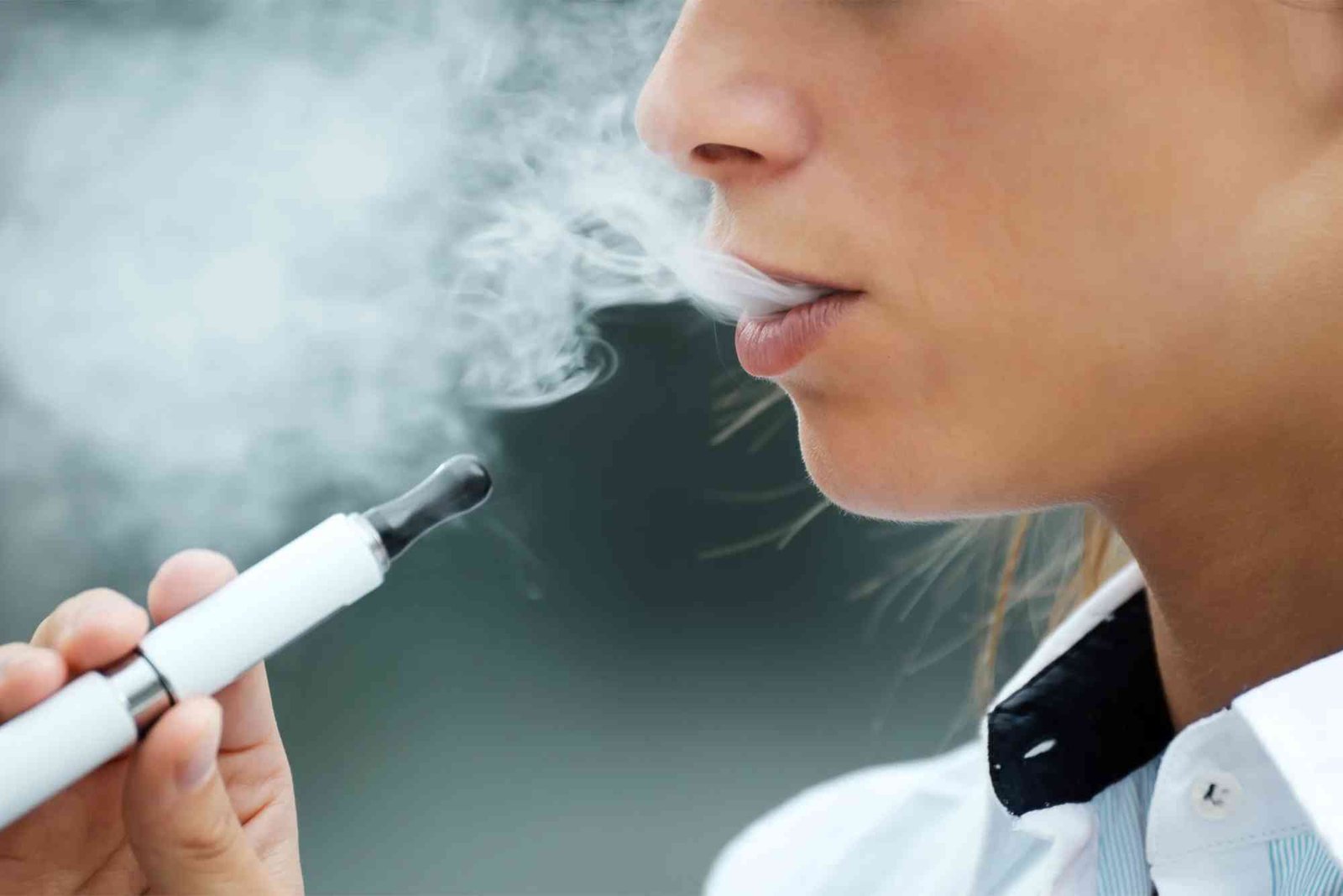
Vaping involves inhaling an aerosol, commonly called vapor, produced by an electronic cigarette or vape device. These devices heat a liquid that often contains nicotine, flavorings, and other chemicals. Unlike combustible cigarettes, vaping does not produce tar or many harmful byproducts of burning tobacco. However, this does not make vaping completely risk-free. Awareness of what is inside vape liquids is key to harm reduction strategies.
Nicotine Exposure and Addiction
Nicotine is the main addictive component in most vapes. While vaping may reduce exposure to harmful chemicals compared to smoking, nicotine addiction remains a significant concern. Users can develop dependence quickly, affecting brain development in adolescents and young adults. Even adults can experience increased heart rate, elevated blood pressure, and changes in mood due to nicotine. Harm reduction emphasizes moderating nicotine intake and considering devices with lower nicotine concentrations to minimize health risks.
Chemical Risks Beyond Nicotine
Vape liquids contain multiple chemicals, some of which can pose health risks when inhaled. Propylene glycol and vegetable glycerin are commonly used to produce vapor. While generally considered safe for ingestion, inhalation over time may cause irritation in the lungs. Flavoring agents, especially diacetyl, have been linked to severe lung disease in some cases. Harm reduction strategies suggest avoiding flavored products with unknown additives or unverified sources. Opting for regulated products can reduce exposure to harmful chemicals.
Respiratory and Cardiovascular Implications
Vaping can have immediate and long-term effects on respiratory and cardiovascular health. Some users report coughing, wheezing, and shortness of breath. Emerging studies suggest a connection between vaping and increased risk of heart disease, though long-term evidence is still developing. Harm reduction involves understanding these risks and seeking devices that minimize harmful emissions. Limiting usage frequency and avoiding dual use with traditional cigarettes can further reduce potential harm.
The Role of Harm Reduction in Vaping
Harm reduction in vaping focuses on safer alternatives rather than complete avoidance. For smokers, switching to e-cigarettes can lower exposure to carcinogens and harmful byproducts of combustion. Strategies include using devices with reliable quality control, avoiding black-market products, and monitoring nicotine levels. Educating users on safe practices helps reduce the overall health burden associated with nicotine use. Accessing resources like CDC — vaping health risks & harm reduction resources can guide informed choices.
Youth and Vaping Risks
Adolescents and young adults are particularly vulnerable to vaping risks. Nicotine exposure during brain development can lead to cognitive deficits, attention issues, and increased susceptibility to addiction. Harm reduction for youth emphasizes education, limiting accessibility, and supporting nicotine-free alternatives. Schools and parents play a crucial role in promoting awareness of these risks. Recognizing early warning signs of addiction and providing counseling can prevent long-term health consequences.
Misconceptions About Vaping Safety
Many users assume vaping is entirely safe because it is marketed as a smoking alternative. While vaping eliminates some dangers of traditional smoking, it introduces new risks. Not all e-cigarettes are created equal, and some products may contain contaminants or higher-than-labeled nicotine levels. Harm reduction strategies involve critical evaluation of products, understanding ingredient labels, and consulting reputable sources for information. Dispelling myths is essential for making safe choices and reducing unintended harm.
Environmental and Secondary Exposure Risks
Vaping also poses environmental considerations. Aerosol released into the air can expose bystanders to nicotine and other chemicals, though typically at lower levels than secondhand smoke from cigarettes. Harm reduction encourages mindful vaping in shared spaces and respecting regulations that limit indoor or public use. Proper disposal of cartridges and batteries is also important to prevent environmental contamination and accidental ingestion by children or pets.
Strategies for Safer Vaping
Safer vaping involves multiple strategies. Choosing regulated products from reputable sources ensures better quality control. Devices with adjustable settings can help users limit exposure to high temperatures and excessive aerosol. Users should avoid modifying devices or using homemade liquids, as this significantly increases risk. Gradually reducing nicotine concentration can also help users manage addiction while still maintaining harm reduction benefits. Awareness and ongoing research are key to continually improving safe practices in vaping.
Transitioning from Smoking to Vaping
For adult smokers, switching to vaping can be a step toward harm reduction. The goal is not to eliminate all risks immediately but to reduce exposure to harmful chemicals. Users are encouraged to set clear goals, track nicotine intake, and monitor any health changes. Combining vaping with other supportive measures, such as behavioral therapy or nicotine replacement therapy, can further reduce risks. Harm reduction is most effective when users are informed, intentional, and proactive about their health choices.
The Importance of Professional Guidance
Consulting healthcare professionals is vital for anyone considering vaping as a harm reduction strategy. Doctors can provide guidance on safe nicotine levels, monitor potential health effects, and support cessation goals. They can also advise on safer alternatives for non-smokers who are considering vaping recreationally. Combining professional advice with reliable information from trusted sources strengthens overall harm reduction efforts.
Public Health Policies and Regulation
Government regulation plays a critical role in harm reduction. Policies that control labeling, product ingredients, and marketing practices help protect users from unsafe products. Public health campaigns aim to raise awareness about vaping risks, particularly for youth. Understanding local laws and regulations ensures compliance and encourages responsible use. Advocating for evidence-based regulation benefits both individual users and broader communities by reducing preventable health risks.
Making Informed Choices
Vaping is not risk-free, but it can serve as a harm reduction tool for smokers. Understanding chemical exposure, nicotine addiction, respiratory and cardiovascular impacts, and youth vulnerabilities is essential. Safer vaping practices, regulatory compliance, and professional guidance all contribute to minimizing harm. By staying informed and cautious, users can make choices that reduce health risks without completely eliminating alternatives to smoking. Explore resources, stay updated, and prioritize safety in every decision related to vaping.
Take control of your health by learning more about harm reduction strategies and safer vaping practices today. For reliable guidance, visit CDC — vaping health risks & harm reduction resources and stay informed.
FAQs
What are the main risks of vaping?
Vaping carries risks of nicotine addiction, lung irritation, and potential heart disease. Long-term effects are still being studied, but caution is recommended.
Is vaping safer than smoking?
Vaping generally reduces exposure to harmful chemicals found in smoke, but it is not completely risk-free. Harm reduction strategies focus on minimizing exposure.
Can vaping affect youth brain development?
Yes, nicotine exposure in adolescents can impair cognitive development, attention, and increase the likelihood of addiction.
Are flavored vape products more harmful?
Some flavoring chemicals, like diacetyl, may pose respiratory risks. Using regulated products and avoiding unknown additives can reduce harm.
How can I vape more safely?
Choose reputable products, monitor nicotine levels, avoid modifications, limit frequency, and seek professional advice when needed.
