


Introduction
Vaping has become a global phenomenon, and many countries are grappling with how to regulate it. Japan, in particular, has a unique stance that mixes strict regulations with harm reduction approaches. In this article, we are exploring if vape is illegal in Japan in the context of harm reduction, offering insights into the legal framework, public health policies, and practical considerations for both residents and visitors. Understanding these regulations is crucial for anyone considering vaping in Japan or importing vape products into the country.
Understanding Japan’s Vape Landscape
Vaping in Japan is not illegal in the same way as other substances might be, but the rules are complex and strict. The Japanese government distinguishes between nicotine-containing e-liquids and nicotine-free products, treating them differently under the law. Nicotine, in particular, is regulated as a pharmaceutical product, which means importing, selling, or using nicotine-containing e-liquids without proper authorization is illegal.
This distinction is a critical aspect of Japan’s harm reduction strategy. By controlling nicotine access, Japan aims to minimize health risks while still allowing for alternatives to traditional smoking. Nicotine-free e-liquids, on the other hand, are widely available and can be legally used in most settings.
Legal Status of Vapes in Japan
Nicotine-Containing E-Liquids
Nicotine e-liquids are tightly controlled under Japanese law. Individuals are prohibited from buying or importing nicotine-containing liquids without a prescription or approval from the regulatory authorities. This approach is meant to prevent unregulated nicotine consumption while still providing pathways for medical or therapeutic use under strict supervision.
Nicotine-Free Vapes
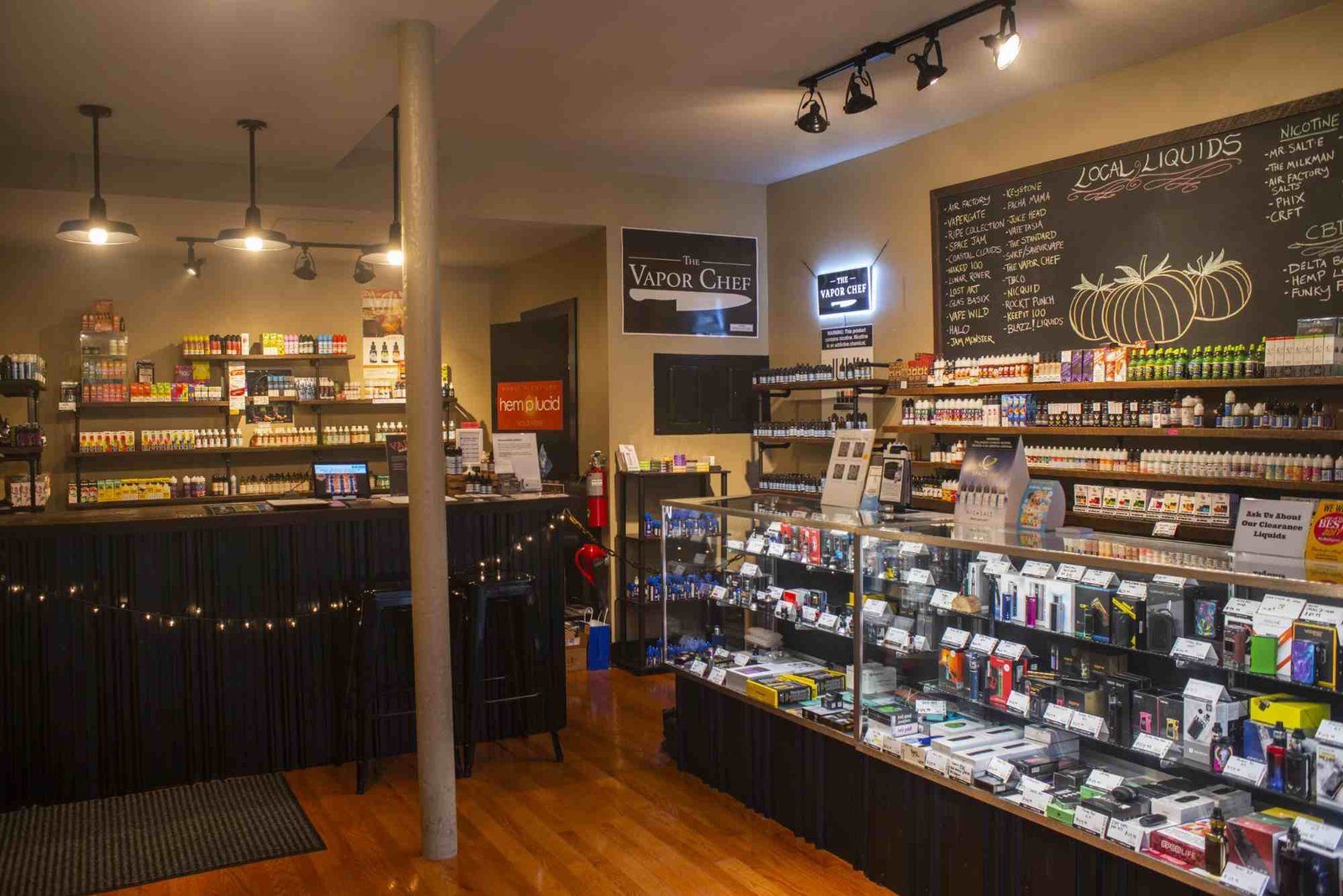
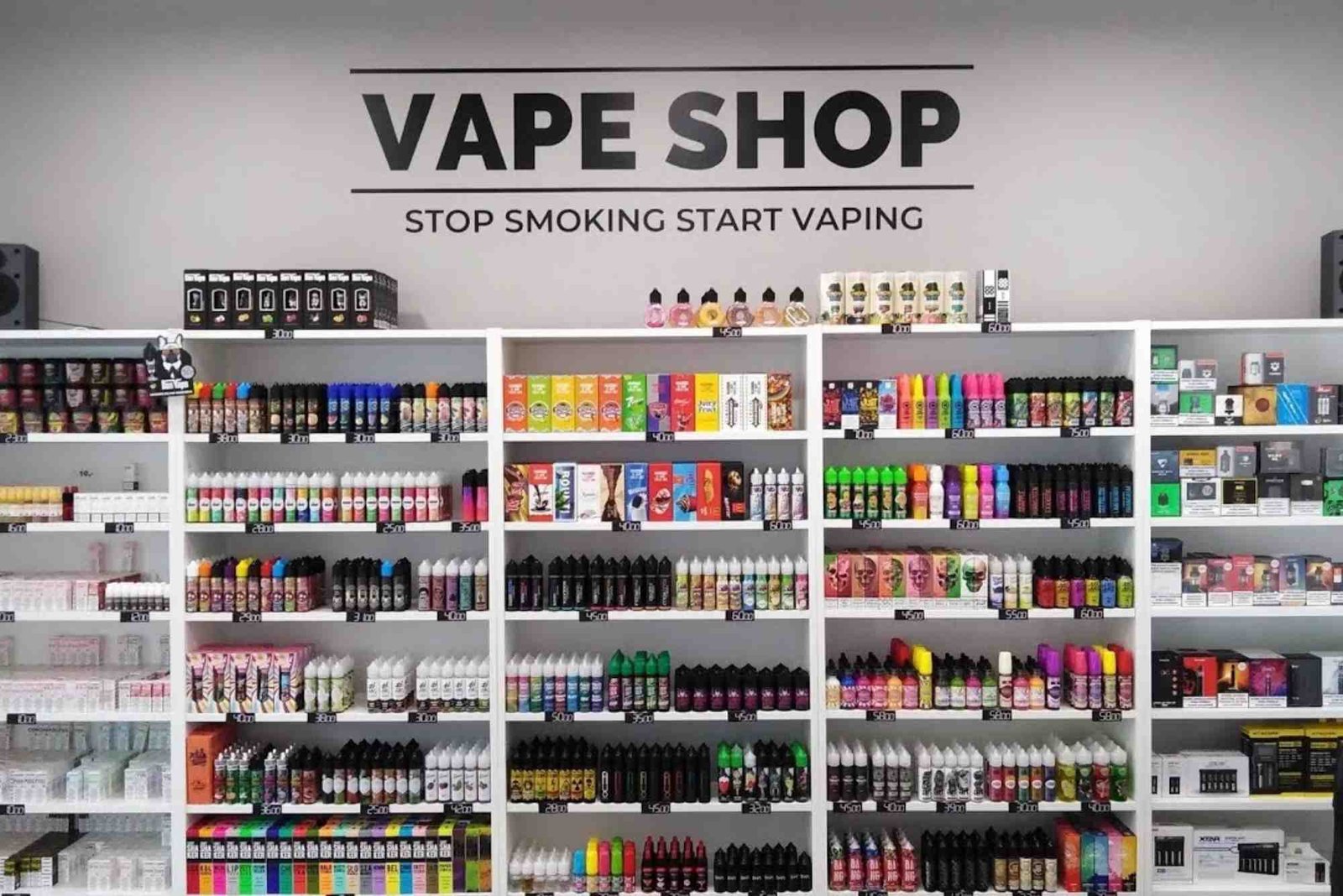
Vaping devices and nicotine-free liquids are legal in Japan. These products can be purchased from vape shops, convenience stores, and online retailers without facing legal penalties. This legal distinction allows users to enjoy vaping without violating the law, aligning with harm reduction strategies by providing a safer alternative to smoking.
Heated Tobacco Products
Heated tobacco products, such as IQOS, have gained popularity in Japan. These products are regulated differently from both traditional cigarettes and e-cigarettes, often being categorized separately under tobacco laws. They represent a harm reduction approach by delivering nicotine in a less harmful form compared to combustible cigarettes.
Import and Usage Regulations
Japan enforces strict rules for importing nicotine-containing vape liquids. Travelers must adhere to limits on the quantity they bring into the country. The Japan Ministry of Health / Customs — nicotine import/use rules clearly outline these restrictions to ensure compliance. Exceeding these limits can result in fines, confiscation, or other legal consequences.
It is also illegal to sell nicotine e-liquids without proper licensing. Retailers must comply with pharmaceutical regulations, and failure to do so may result in severe penalties. These rules create a controlled environment for nicotine distribution, reducing the risk of unregulated and potentially unsafe products circulating in the market.
Harm Reduction and Public Health
Japan’s approach to vaping aligns with broader harm reduction strategies. By strictly controlling nicotine while allowing non-nicotine alternatives, authorities aim to:
- Reduce smoking rates by providing less harmful alternatives.
- Minimize exposure to harmful chemicals in traditional cigarettes.
- Encourage smokers to transition to safer products without imposing total bans.
Harm reduction is a pragmatic approach that recognizes the challenges of smoking cessation while providing legal frameworks that prioritize public health. Unlike countries that impose outright bans, Japan focuses on regulation and controlled access, balancing health concerns with personal freedom.
Health Considerations
Vaping is generally considered less harmful than smoking, but it is not risk-free. Nicotine consumption carries potential health risks, including addiction, cardiovascular effects, and other complications. Nicotine-free vaping, while safer, still involves inhaling chemicals that may affect respiratory health.
Japanese authorities emphasize education and awareness campaigns to inform users about these risks. By offering regulated alternatives, Japan supports smokers in reducing harm while maintaining public safety standards.
Social and Cultural Attitudes
Vaping in Japan is culturally accepted in certain settings, but public etiquette is strict. Using vaping devices in crowded public spaces, trains, or indoor facilities is discouraged and may result in social disapproval. Many establishments maintain designated smoking areas, and vaping often falls under similar guidelines.
This social framework complements the legal regulations, creating a balanced environment that respects public health, social norms, and individual choices.
Challenges and Opportunities
Despite strict regulations, vaping continues to grow in popularity in Japan. Challenges include:
- Limited access to nicotine-containing e-liquids for casual users.
- Confusion among tourists and newcomers about what is legal.
- Enforcement challenges with imported products purchased online.
Opportunities exist in expanding education around harm reduction, promoting nicotine-free alternatives, and providing safe, regulated access to smokers seeking alternatives. Japan’s approach demonstrates a nuanced balance between public health priorities and personal freedom.
Practical Tips for Vapers in Japan
If you plan to vape in Japan, consider the following:
- Use only nicotine-free e-liquids unless you have proper authorization.
- Purchase devices and liquids from licensed retailers.
- Respect public spaces and designated vaping areas.
- Familiarize yourself with the Japan Ministry of Health / Customs — nicotine import/use rules before traveling.
Following these guidelines ensures you remain compliant while enjoying a safer vaping experience.
Japan’s vaping laws are not straightforward, but they reflect a careful balance between harm reduction and regulation. Nicotine-containing e-liquids are restricted, while nicotine-free products and heated tobacco devices offer legal alternatives. Understanding these rules is essential for anyone considering vaping in Japan.
By following regulations and making informed choices, vapers can reduce harm, respect local laws, and navigate Japan’s unique landscape safely.
Vapers interested in harm reduction strategies should stay updated on regulatory changes and prioritize safe alternatives. If you want to explore more about safe vaping practices and regulations, check official guidance and consider nicotine-free options.
FAQs
Is vaping illegal in Japan?
Vaping is not illegal, but nicotine-containing e-liquids are strictly regulated, while nicotine-free products are legal.
Can tourists bring e-liquids into Japan?
Yes, but nicotine-containing liquids have strict quantity limits under Japan Ministry of Health / Customs — nicotine import/use rules.
Are heated tobacco products legal in Japan?
Yes, heated tobacco products like IQOS are legal and regulated separately from e-liquids.
Is nicotine-free vaping safe?
Nicotine-free vaping is safer than smoking but may still involve inhaling chemicals. Awareness and moderation are advised.
Where can I legally buy vape products in Japan?
Vape shops, licensed retailers, and convenience stores sell nicotine-free devices and liquids.
