


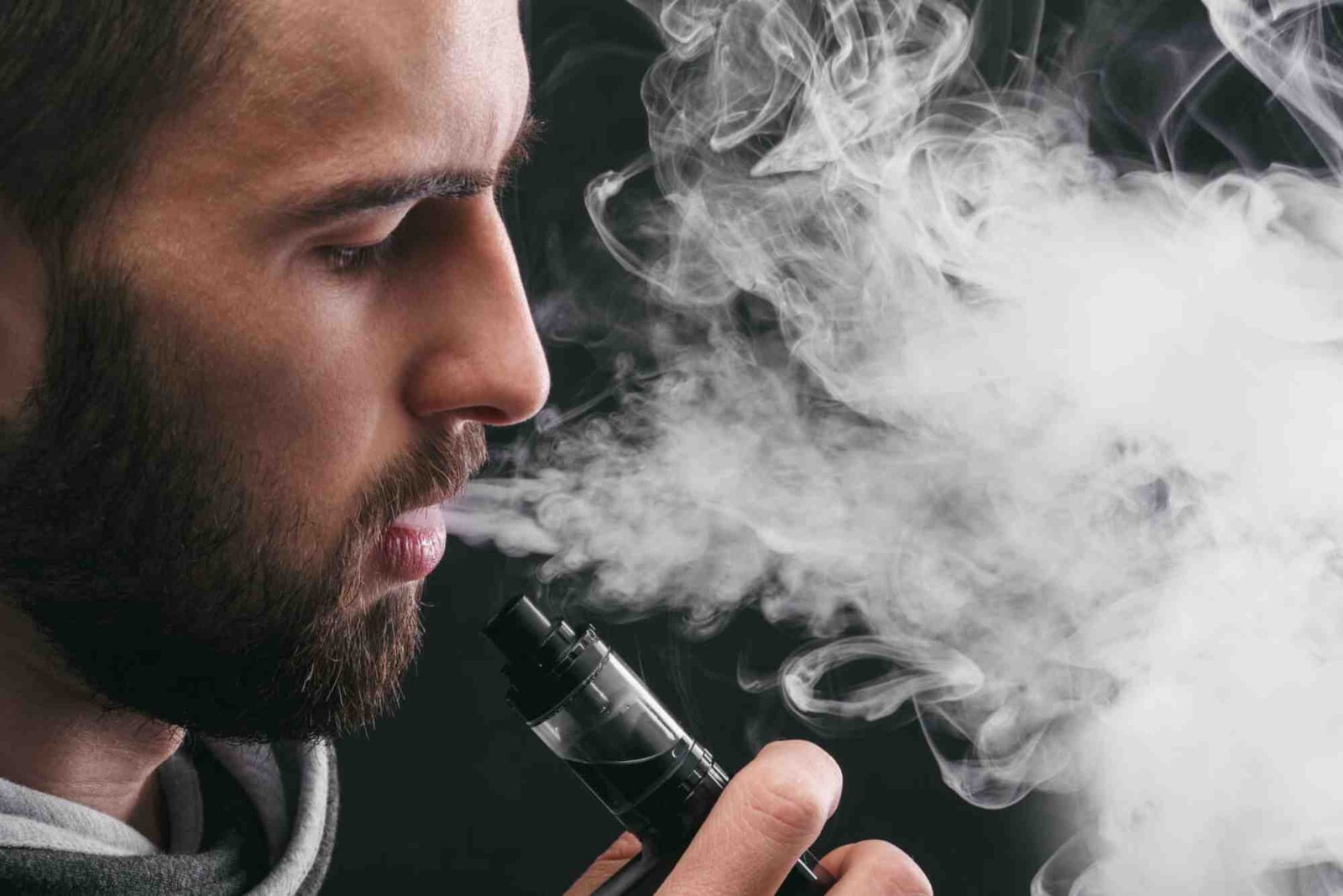



Vape vs Cigarette Health Comparison
Smoking has long been associated with serious health risks, including heart disease, lung cancer, and premature aging. In recent years, vaping has emerged as a popular alternative, often marketed as a safer option. But how do vapes truly compare to traditional cigarettes in terms of health? In this article, we provide an in-depth vape vs cigarette health comparison, exploring the science, risks, and benefits of both.
Understanding Cigarettes and Vapes
Cigarettes are tobacco products that release nicotine when burned. Along with nicotine, cigarette smoke contains thousands of chemicals, many of which are toxic. These chemicals include tar, carbon monoxide, and carcinogens that directly damage the lungs and other organs.
Vapes, on the other hand, use e-liquids to produce vapor instead of smoke. These liquids generally contain nicotine, flavorings, and propylene glycol or vegetable glycerin. Unlike cigarettes, vaping does not involve combustion, which significantly reduces the number of harmful chemicals inhaled.
Health Risks of Cigarettes
Respiratory Damage
Cigarette smoking is one of the leading causes of chronic respiratory diseases. The smoke irritates the lungs, leading to chronic bronchitis, emphysema, and reduced lung function over time.
Cardiovascular Issues
Smoking constricts blood vessels, raises blood pressure, and increases heart rate. This combination elevates the risk of heart attacks, stroke, and other cardiovascular diseases.
Cancer Risk
Cigarette smoke contains multiple carcinogens that directly contribute to cancers of the lungs, throat, mouth, pancreas, and bladder. The risk grows with the number of cigarettes smoked daily.

Impact on Life Expectancy
Long-term smokers often face a shortened life expectancy by 10–15 years compared to non-smokers. Even occasional smoking can have measurable effects on health.
Health Considerations of Vaping
Reduced Chemical Exposure
Since vaping does not burn tobacco, it produces fewer harmful chemicals than cigarettes. While not entirely risk-free, studies suggest vaping exposes users to significantly lower levels of carcinogens and toxic substances.
Lung and Respiratory Effects
Vaping may still cause irritation in the airways, coughing, or mild inflammation. However, unlike cigarettes, vaping is less likely to cause chronic obstructive pulmonary disease (COPD) or lung cancer.
Cardiovascular Impact
Nicotine in vapes can still increase heart rate and blood pressure. Nevertheless, current evidence indicates that vaping is less damaging to cardiovascular health than cigarette smoking.
Potential Risks and Unknowns
Long-term studies on vaping are ongoing. Some flavoring chemicals, when inhaled, may present unknown health risks. Choosing high-quality products, such as the ace ultra premium or ace cart, ensures better safety standards and regulated ingredients.
Comparing Addiction Levels
Nicotine, present in both cigarettes and most vapes, is highly addictive. Cigarettes deliver nicotine rapidly through smoke, leading to intense cravings and habitual use. Vapes, however, can offer controlled doses, allowing users to gradually reduce nicotine intake. This controlled approach can make quitting easier over time.
Smoke vs Vapor: Why It Matters
Cigarette smoke contains tar, carbon monoxide, and thousands of other toxic chemicals. These substances not only harm the smoker but also affect those exposed to secondhand smoke.
Vapor from e-cigarettes primarily contains nicotine, water, and flavoring agents. While it is not completely harmless, it does not produce tar or carbon monoxide. This distinction makes vaping a potentially safer choice for both users and bystanders.
Public Health Perspectives
Health authorities, including Public Health England, suggest that vaping is considerably less harmful than smoking. Vaping has been promoted as a harm reduction tool for adult smokers who want to quit. While it is not recommended for non-smokers or youth, it can provide a safer alternative for those struggling to stop smoking.
Making Safer Choices
When considering vaping as an alternative, quality matters. Products like ace ultra premium or ace cart are designed with rigorous standards to reduce exposure to harmful substances. Opting for reputable brands ensures a controlled, reliable experience and minimizes unknown risks.
Additionally, being mindful of nicotine levels and limiting the frequency of use can further reduce potential health concerns. Many vapers gradually taper down nicotine levels to eventually quit entirely.
Key Takeaways in the Vape vs Cigarette Health Comparison
- Chemical Exposure: Vaping produces far fewer toxic substances than cigarettes.
- Respiratory Health: Cigarettes are a major cause of lung disease, whereas vaping has a lower impact.
- Cardiovascular Risk: Both contain nicotine, but vaping is less damaging to heart health.
- Addiction Management: Vaping allows for controlled nicotine use, potentially aiding cessation.
- Secondhand Impact: Vaping poses minimal risk to others compared to cigarette smoke.
Overall, while vaping is not completely risk-free, it presents a safer alternative to traditional cigarettes for adult smokers. Choosing high-quality, regulated products ensures maximum safety.
Discover the latest in vaping trends, devices, and e-liquids at VapeZX. Whether you’re a beginner or a seasoned vaper, VapeZX is your ultimate destination for quality products and expert advice. Visit now to explore our wide range of vaping solutions!
The vape vs cigarette health comparison clearly shows that vaping reduces exposure to harmful chemicals, lowers respiratory risks, and provides better control over nicotine intake. While long-term effects are still being studied, switching from cigarettes to vaping can significantly improve health outcomes.
For smokers seeking a safer alternative, exploring premium options like ace ultra premium or ace cart can offer a satisfying experience while minimizing health risks. Take the first step today toward a healthier lifestyle by choosing vaping over smoking.
