





Introduction
In recent years, vaping has gained widespread attention as a potential alternative to traditional smoking. Many smokers are now considering e-cigarettes not just for convenience but also for harm reduction. Understanding how vaping compares to cigarettes in the context of reducing health risks is crucial for anyone seeking healthier lifestyle choices. This article dives deep into the scientific and practical aspects of vaping versus smoking, helping readers make informed decisions.
Understanding Harm Reduction in Smoking
Harm reduction is a public health strategy aimed at minimizing the negative effects of risky behaviors rather than completely eliminating them. In the context of smoking, harm reduction focuses on reducing exposure to toxic chemicals found in tobacco smoke. Cigarettes contain thousands of harmful substances, including tar and carbon monoxide, which contribute to chronic diseases like lung cancer and heart disease. Vaping, by contrast, uses vaporized e-liquids, which significantly reduces exposure to these toxins. This makes vaping a potentially safer alternative for smokers who cannot or do not want to quit immediately.
How Vaping Differs from Cigarettes
Chemical Composition
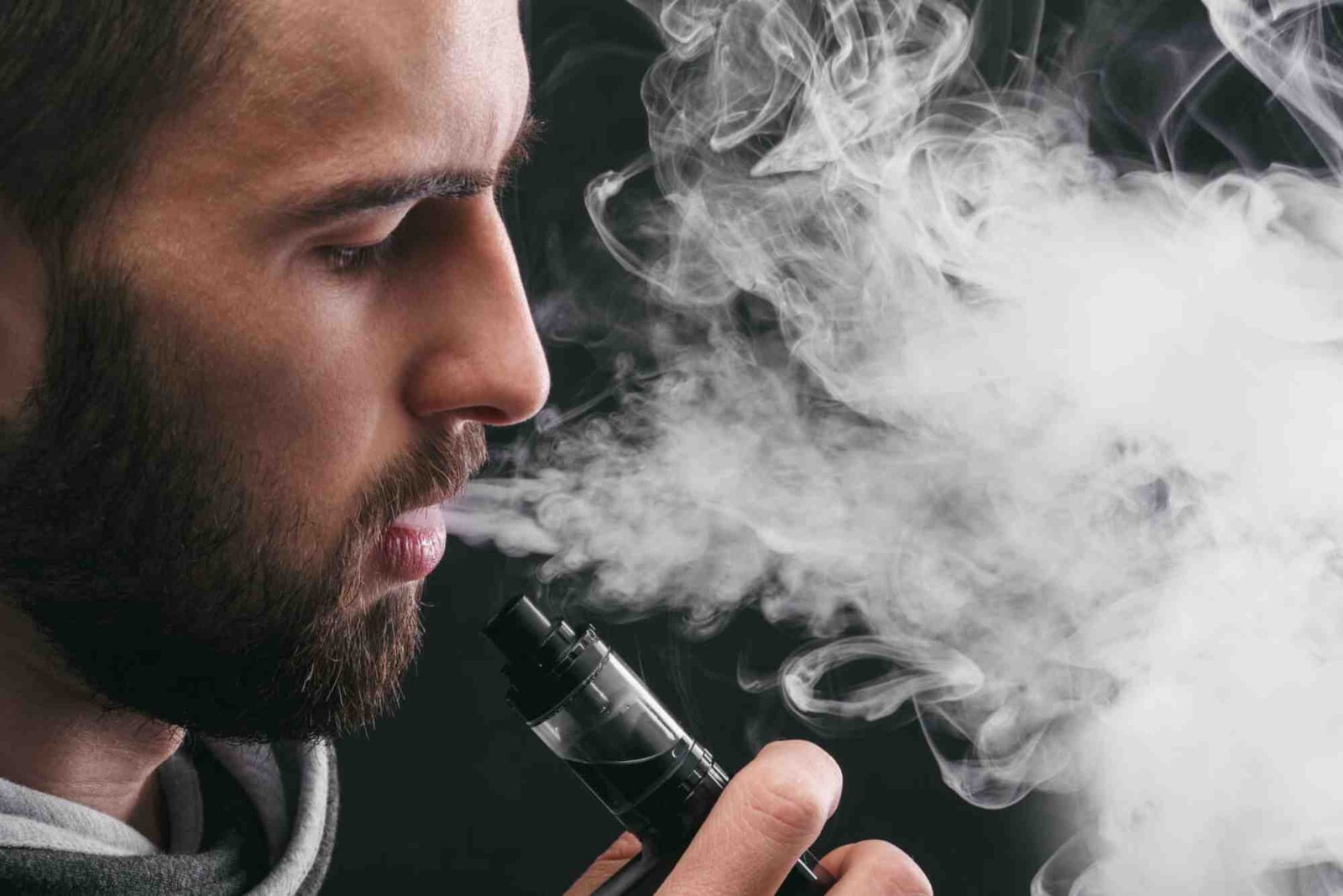
Cigarettes burn tobacco, producing smoke filled with carcinogens and irritants. Vapes, on the other hand, heat e-liquids that usually contain nicotine, flavorings, and propylene glycol or vegetable glycerin. Unlike cigarette smoke, vapor does not contain tar or carbon monoxide. While vaping is not entirely risk-free, the absence of combustion dramatically reduces harmful chemical exposure.
Nicotine Delivery
Both cigarettes and vapes deliver nicotine, which is addictive but not directly responsible for most smoking-related diseases. Modern vaping devices can offer controlled nicotine doses, allowing users to gradually reduce dependence. This flexibility provides smokers with a practical pathway toward harm reduction, without completely removing nicotine immediately.
Respiratory Impact
Cigarette smoke irritates the lungs and contributes to chronic bronchitis, emphysema, and other respiratory illnesses. Studies indicate that vaping produces fewer harmful byproducts, which may lower the risk of severe lung damage over time. However, long-term research is ongoing, and the safest approach remains complete cessation of inhaled nicotine products.
Public Health Perspectives on Vaping
Health authorities around the world increasingly recognize vaping as a harm reduction tool. Organizations like the World Health Organization (WHO) provide comparative data on the risks associated with cigarettes and e-cigarettes, highlighting the potential benefits for smokers who switch. Evidence shows that smokers who transition to vaping can experience improved respiratory function and lower exposure to harmful chemicals.

Behavioral Considerations
Smoking is often linked to habitual behaviors, social cues, and stress relief. Vaping can address these behavioral aspects by mimicking the hand-to-mouth motion and inhalation process. This helps reduce psychological barriers for smokers trying to move away from combustible tobacco.
Policy and Regulation
Regulation plays a vital role in ensuring that vaping products are used safely. Countries with strict standards for e-liquid quality, device safety, and age restrictions help protect public health while enabling harm reduction strategies. Conversely, poorly regulated markets can pose risks due to inconsistent product quality or unsafe additives.
Comparing Health Outcomes
While vaping is not entirely risk-free, scientific studies indicate that switching from cigarettes to e-cigarettes can significantly lower exposure to harmful chemicals. Smokers who adopt vaping report fewer respiratory symptoms and improved overall health markers. Nevertheless, research emphasizes that vaping should ideally be a transitional tool rather than a permanent solution, aiming toward eventual nicotine reduction or cessation.
Cardiovascular Health
Cigarette smoke increases the risk of heart attacks and strokes due to the combined effects of nicotine, carbon monoxide, and other toxic compounds. Vaping exposes the cardiovascular system to lower levels of harmful chemicals, potentially reducing—but not eliminating—cardiovascular risks.
Long-Term Uncertainties
Despite evidence of harm reduction, vaping is relatively new, and long-term effects are still being studied. Experts recommend that non-smokers avoid vaping entirely, while current smokers may benefit from switching as part of a risk reduction strategy.
Vaping in Daily Life
Vaping offers a more discreet and socially acceptable alternative to smoking. It produces less odor and visible residue, making it less intrusive in public and shared spaces. Many users find that vaping allows them to maintain social interactions without the stigma or discomfort associated with cigarette smoke.
Flavor and Experience
One notable difference between vaping and smoking is the range of flavors available. These can enhance the experience and support the transition from traditional cigarettes. However, flavor choices should be approached cautiously, especially for younger populations, to prevent potential nicotine initiation.
Making an Informed Choice
Choosing between vaping and smoking involves balancing risk, convenience, and personal goals. For smokers committed to quitting combustible tobacco, Exploring Vape Compared to Cigarettes in the Context of Harm Reduction vaping presents a pragmatic harm reduction option. It is essential to stay informed about device safety, nicotine levels, and reputable sources of information. Internal resources like WHO — comparative harm reduction evidence provide valuable insights for evidence-based decision-making.
Vaping represents a promising harm reduction tool for smokers seeking safer alternatives to traditional cigarettes. While it is not entirely free of risk, the reduced exposure to toxic chemicals, behavioral support, and controlled nicotine delivery make it a viable option for those committed to improving health outcomes. By understanding the differences between vaping and smoking, individuals can make informed choices and gradually work toward healthier habits.
FAQ
Is vaping safer than smoking cigarettes?
Yes. Vaping exposes users to fewer harmful chemicals compared to combustible cigarettes, though it is not completely risk-free.
Can vaping help me quit smoking?
Many smokers successfully transition to vaping as part of a harm reduction strategy, gradually reducing nicotine dependence.
Does vaping affect lung health?
Vaping generally produces fewer respiratory irritants than smoking, which may improve lung function over time.
Are e-cigarettes regulated?
Regulation varies by country, but strict standards for devices and e-liquids help ensure safety and support harm reduction efforts.
Can non-smokers start vaping safely?
Non-smokers should avoid vaping, as nicotine is addictive and long-term effects of vaping are still under study.
