

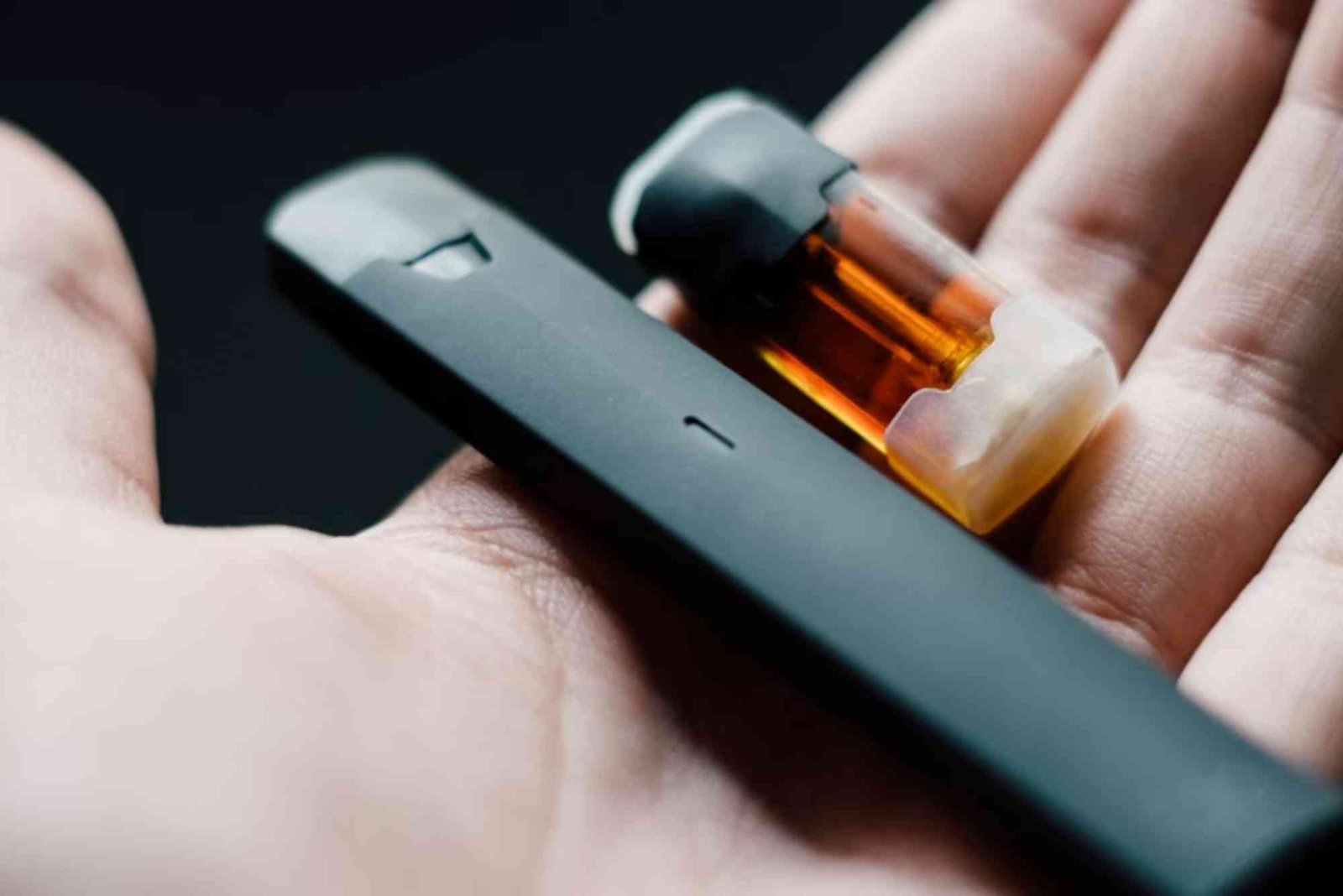



Understanding why vaping is illegal for minors in the Philippines is essential for anyone following public health debates. Discussions about harm reduction, youth safety, and changing nicotine laws are more relevant than ever. In this article, we explore vaping in the Philippines in the context of harm reduction to help readers make sense of current regulations and ongoing health concerns.
Understanding the Landscape of Vaping Illegal Philippines
Vaping has expanded rapidly across the world, often positioned as a less harmful alternative to smoking. Yet the Philippines has taken a stricter approach by establishing strong restrictions, especially regarding minors. While advocacy groups highlight harm reduction, lawmakers emphasize enforcement and safety. Because both perspectives influence public perception, understanding them helps clarify why vaping remains regulated.
Regulatory Context Behind Vaping Laws in the Philippines
How the Law Defines Vaping
The Philippines regulates vape products under the Vaporized Nicotine and Non-Nicotine Products Regulation Act. Although adults may purchase devices, vaping is illegal for minors. This aligns with broader efforts to reduce nicotine exposure among the youth. Authorities also stress product standards, labeling, and marketing controls to safeguard consumers.
Why the Philippines Prioritizes Youth Protection
The government implemented these restrictions after reports of rising e-cigarette use among teens. Policymakers framed the issue not only as a regulatory concern but also as a public health priority. As a result, enforcement campaigns target retailers who sell to minors or who violate packaging rules.
Public Health Messaging and Accessibility
Despite allowing adult use of some vape products, the Philippines still views vaping as a controlled substance category. Messaging from health agencies reinforces the idea that no nicotine product is entirely risk-free and that preventing early exposure is easier than treating long-term addiction. The complexity of these messages creates tension between harm reduction supporters and regulatory authorities.
For updates, readers may consult the Philippines DOH — vaping restriction pages at:

Exploring Harm Reduction in a Filipino Context
Why Harm Reduction Matters
Harm reduction approaches try to lower risk rather than eliminating behavior entirely. In tobacco control, this can involve switching from combustible cigarettes to safer alternatives. Supporters argue that adults who smoke should access tools that reduce harm, including vape devices. This is especially relevant in a country where smoking-related illnesses remain a major concern.
Balancing Access and Protection
Policymakers seek to balance the benefits for adult smokers with the need to protect young people. This creates an ongoing debate: Are strict restrictions consistent with harm reduction, or do they limit its effectiveness? While vaping can support smokers trying to quit, concerns arise when minors gain access, prompting tighter regulations.
Cultural and Social Dimensions
In the Philippines, tobacco use intersects with lifestyle, socioeconomic status, and cultural norms. Harm reduction discussions often reflect these broader issues. Communities with higher smoking prevalence may view vaping as a practical alternative. Yet others see it as introducing new risks or encouraging younger generations to experiment with nicotine.
The Role of Education in Understanding Vaping Illegal Philippines
Why Public Education Is Essential
Clear information helps people make informed choices. When laws change or when new products appear, misinformation can spread quickly. Public education efforts explain why vaping is illegal for minors and highlight the responsibilities of retailers, parents, and communities.
Common Misconceptions About Vaping
Some believe vaping is entirely harmless, while others assume it is just as dangerous as smoking. Both extremes oversimplify the issue. While vaping reduces certain risks associated with combustion, it still carries potential health effects, especially when used by adolescents. Addressing misconceptions helps society implement evidence-based policies.
Health Perspectives: Understanding the Risks and Benefits
Potential Benefits for Adult Smokers
Vaping can reduce exposure to harmful chemicals found in traditional cigarettes. Adult smokers who switch entirely may experience improvements in respiratory function and reduced exposure to tar. These benefits support the argument for harm reduction strategies, especially in public health systems dealing with high smoking-related disease burdens.
Risks for Youth and Non-Smokers
Nicotine exposure affects adolescent brain development. Because teens are more susceptible to addiction, the government emphasizes strict penalties for retailers selling to minors. This aligns with studies showing early nicotine use can lead to long-term dependence. The legal approach aims to prevent these outcomes by limiting availability and marketing exposure.
Policy Debates and Enforcement Challenges
How Enforcement Works in Practice
Retailers must comply with age restrictions, packaging standards, and product registration rules. However, enforcement challenges persist, especially in online marketplaces. Regulators continue strengthening monitoring systems to prevent minors from accessing vape products.
Community Reactions to Vaping Laws
Some groups applaud the regulations, believing they protect public health. Others argue the laws restrict adult access to effective harm reduction tools. This creates a dynamic policy environment where future amendments remain likely.
Economic Considerations
The vape industry contributes to local livelihoods, from shop owners to distributors. Balancing economic activity with public health creates tension when new restrictions emerge. Policymakers must weigh these competing interests to ensure laws remain fair and effective.
The Future of Vaping Illegal Philippines in the Context of Harm Reduction
Potential Policy Revisions
As scientific research evolves, the Philippines may adjust its stance. Governments worldwide reassess vaping laws regularly, incorporating new data on safety, addiction, and public health outcomes. Whether restrictions tighten or relax will depend on ongoing evaluation.
Youth Prevention Strategies
Future efforts will likely focus on youth prevention, Exploring Vaping Illegal Phillapines in the Context of Harm Reduction including awareness campaigns and stricter digital-age verification systems. These programs address the root causes of underage vaping, reinforcing why the Philippines considers vaping illegal for minors.
Integrating Harm Reduction More Broadly
The Philippines continues navigating how to incorporate harm reduction into its nicotine policies. Policymakers must balance evidence-based approaches with community-specific needs. Clear communication will remain central to achieving public health goals.
FAQ: Real Questions People Also Ask
Is vaping illegal in the Philippines?
Vaping is legal for adults but illegal for minors. Adults must purchase products from authorized sellers who follow labeling and safety regulations.
Why is vaping illegal for minors in the Philippines?
Authorities aim to reduce nicotine addiction among youth and prevent long-term health consequences. Restricting access supports these goals.
Can tourists vape in the Philippines?
Tourists may vape in designated areas but must follow local city ordinances. Minors cannot purchase or use vape products.
Is vaping safer than smoking?
Vaping eliminates combustion, which reduces certain toxins. However, it still carries risks, especially for minors and non-smokers.
What are the penalties for selling vape products to minors?
Retailers face fines, license revocations, and possible legal action. Enforcement agencies monitor compliance in both physical shops and online stores.
Moving Toward Informed Harm Reduction
Exploring why vaping is illegal for minors in the Philippines helps create a clearer understanding of public health priorities. While harm reduction plays an essential role in transitioning adult smokers to safer alternatives, protecting youth remains a dominant concern. By staying informed, supporting responsible use, and promoting accurate education, communities can better navigate the balance between regulation and public health.

