

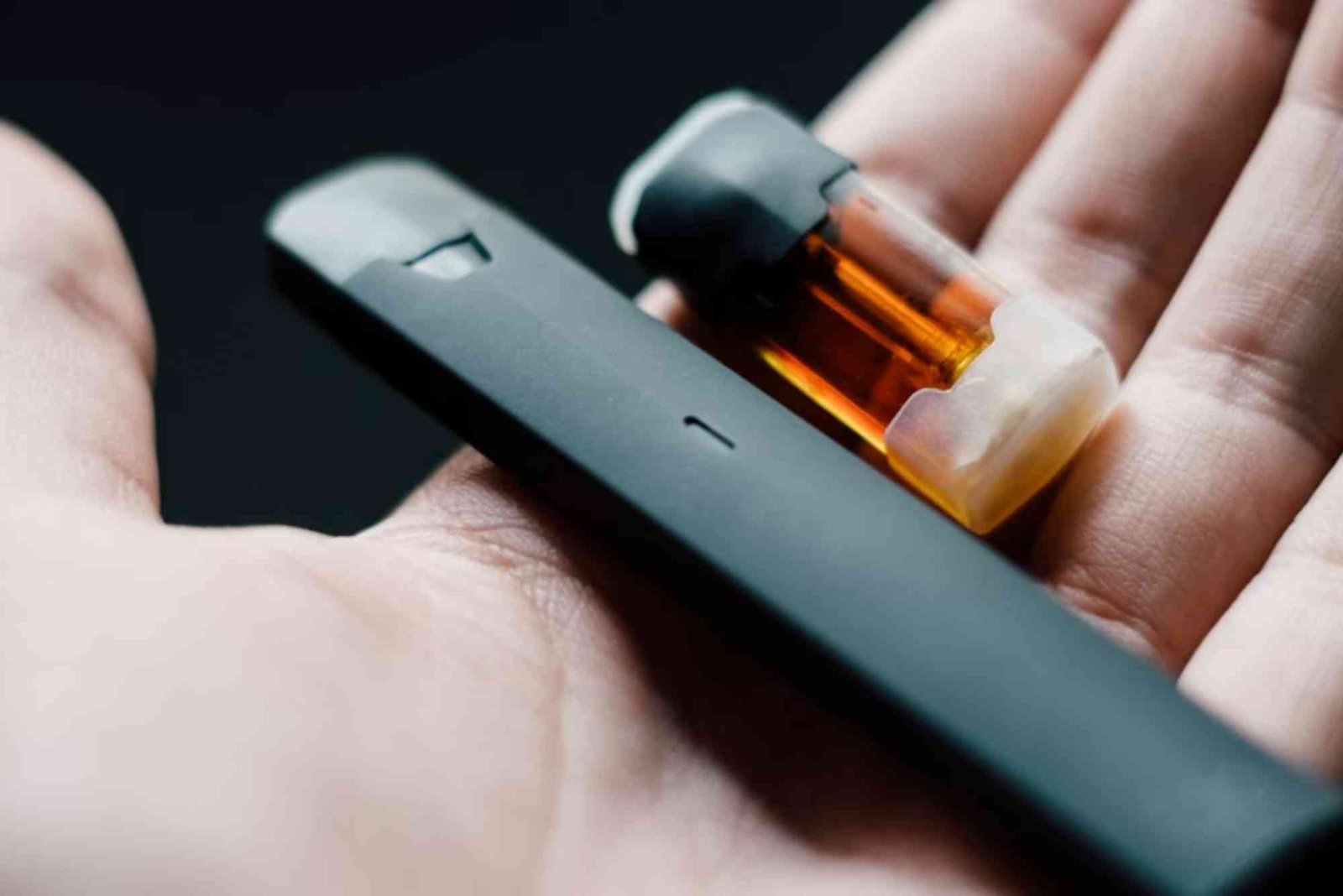

Vaping has become a topic of heated debate around the world. In Singapore, the question “Is why vaping illegal in Singapore backed by science or just vape hype?” isn’t just academic—it influences the everyday lives of residents, travellers, and young people alike. With one of the strictest stances globally, Singapore’s approach to vaping sparks curiosity and controversy. In this article, we’ll unpack the health science, governmental reasoning, and societal implications that underpin this policy. We’ll show you what evidence supports the ban and where perceptions of vaping might blur fact with hype.
Understanding the Ban: What Singapore Says and Why
Singapore treats vaping much more strictly than many other countries, outright banning the import, possession, use, and sale of e-cigarettes and other electronic vapourisers. This is not a law introduced on a whim—it stems from deliberate public health policy. According to official government resources, vaping products are prohibited because they pose significant health risks and are addictive. Authorities argue that allowing these products could undo decades of careful tobacco control and potentially create a new health problem rather than solve one.
The Health Sciences Authority and other agencies work together to enforce these rules with stiff penalties for breaking them, including fines, jail time, and compulsory rehabilitation programs for repeat offenders.
Despite strong rhetoric against vaping, many people wonder: is this ban grounded in scientific evidence, or has it grown out of fear and hype? To answer that, we need to explore what the science actually says about vaping and its health impacts.
The Scientific Case Against Vaping
The Health Risks: More Than Just Nicotine
At first glance, e-cigarettes might appear safer than traditional cigarettes. They don’t produce smoke, and many users claim they help reduce tobacco consumption. But science shows that vaping is not without harm. Vapes contain nicotine, a highly addictive substance, and the aerosol produced often contains toxic chemicals, fine particles that can enter the lungs, and potentially harmful metals released from the heating elements. This exposure is linked to lung irritation, cardiovascular issues, and respiratory distress.
Importantly, the long-term effects of inhaling these vapours are still not fully understood, and researchers caution that new risks may emerge as more data becomes available. Because vaping is a relatively new phenomenon, many of the decades-long studies we have on cigarettes simply don’t exist for e-cigarettes yet. This uncertainty plays into Singapore’s precautionary stance.

Youth and Addiction: Scientific Concerns
One of the most compelling scientific arguments supporting the ban focuses on youth. The developing brains of teenagers and young adults are particularly susceptible to addiction from nicotine. Research indicates that nicotine can affect attention, learning, memory, and impulse control when introduced during key stages of brain development.
Worryingly, some studies suggest that young people who vape are more likely to pick up traditional cigarettes later. This “gateway” effect, where vaping leads to smoking, is a key reason health authorities describe vaping as dangerous—even if the short-term effects seem milder than smoking.
Government Rationale: Public Health Over Hype
Singapore’s government doesn’t frame the vaping ban as an anti-trend culture move—it frames it as a preventative public health measure. Officials highlight that vaping products are addictive, harmful, and not proven as effective smoking cessation tools. Unlike some countries that regulate vaping as a harm reduction tool for adult smokers, Singapore argues that it could just lead to dual use—where users continue both vaping and smoking traditional cigarettes.
In fact, scientific evidence supporting vaping as a smoking cessation aid is weak compared to approved methods like nicotine patches, gum, and specialised counselling services. These safer alternatives are well-studied and offer clear benefits, which many health experts point to when justifying the ban.
Official communications emphasise that the policy aims to “pre-emptively stop new harmful and addictive products from entering the market.” In short, Singapore is taking a harm elimination stance rather than harm reduction.
Counterarguments: Critics of the Ban
Not everyone agrees that an outright ban is the best approach. Critics, including some academics and members of the public, argue that prohibition drives vaping underground and makes it harder to monitor product quality and health outcomes. They suggest that regulated legalisation with strict quality controls might reduce black market activity and allow for better public health tracking.
Some commentators point out that because vaping happens despite the ban, enforcement becomes a “middle-class enforcement problem.” Harsh penalties may alienate sections of society and miss opportunities to gather real data on usage patterns and health outcomes.
Others question whether focusing so heavily on vaping distracts from broader tobacco control efforts. However, government health officials maintain that preventing another nicotine addiction crisis is a top priority—one supported by the best available scientific evidence.
Real-World Impact: Health, Youth, and Behaviour
Singapore’s tough stance comes with real-world outcomes that deserve attention. Surveys indicate that many young Singaporeans are aware vaping is both harmful and illegal, but misconceptions persist. A notable portion still believes vaping is safer than smoking, driven largely by global vape marketing and social media influence.
At the same time, enforcement efforts have escalated in recent years, with thousands of vape-related offences detected and prosecuted. This indicates that the demand for vaping remains, even in a country with strict laws.
The presence of drug-laced vapes in the illicit market—containing substances like etomidate—is another key concern. These drug-infused products pose additional, severe health risks beyond nicotine addiction, and are a focal point of recent enforcement policy.
So, Is the Ban Backed by Science or Just Vape Hype?
Looking at the evidence, Singapore’s ban on vaping is not just based on hype. The policy is built on documented health concerns about addiction, lung damage, and youth vulnerability. While some scientific uncertainties remain—especially around long-term effects—the weight of current evidence supports cautious regulation rather than permissive policy.
The ban also aligns with the Singapore government’s broader public health philosophy: prioritising prevention and harm elimination over incremental risk reduction. That doesn’t mean the policy is without critics, but it does mean that science plays a central role in shaping how vaping is treated under the law.
Singapore’s strict approach is not unique; several countries choose prohibition over regulation to protect public health, particularly among young people. This stance reflects both scientific caution and a commitment to reducing addiction and disease in society.
Balancing Health, Evidence, and Society
Understanding why vaping illegal in Singapore requires more than just knowing the law. It demands insight into how scientific evidence, public health priorities, and societal values intersect. While vaping may be legal and even promoted as a harm reduction tool in some countries, Singapore’s policymakers chose a different path—one rooted in preventing harm before it gains traction.
If you’re curious about the detailed legal framework and the penalties involved, check out Singapore Health Sciences Authority — prohibition & penalties for official guidance.
Looking for the latest in vaping products and accessories? Check out vapezx.com for a wide selection of e-liquids, devices, and more. Whether you’re a beginner or an experienced vaper, vapezx.com has everything you need to enhance your vaping experience.
FAQ Section
Why is vaping illegal in Singapore?
Vaping is illegal primarily because of health concerns, nicotine addiction risk, and insufficient evidence that it helps smokers quit. Singapore has taken a preventative stance to protect public health.
Does vaping cause serious health problems?
Yes. Vaping exposes users to toxic chemicals, addictive nicotine, and airborne particles that harm the lungs and heart. The long-term effects are still being studied, but current evidence shows risks.
Are there exceptions for medicinal vapour devices?
Singapore regulates approved nicotine replacement therapies (like patches and gum) separately, but e-cigarettes and vapourisers remain banned.
What happens if you are caught vaping in Singapore?
Penalties can include fines, rehabilitation, or imprisonment, depending on the offence. Recent laws also target drug-laced vapes with more severe consequences.
Can vaping help with quitting smoking?
Scientific evidence is limited and not strong enough for Singapore to consider vaping a smoking cessation aid. Safer alternatives like counselling and approved nicotine therapies are recommended.
Is Tbp Vape Law Backed by Science or Just Vape Hype? The TBP vape law claims to regulate vape safety and reduce health risks, but scientific evidence on long-term effects of vaping remains limited. Critics argue it may be more hype than proof, while supporters say precautionary measures are justified. Research is ongoing, leaving the law’s full impact uncertain.
Related Reading: Is Is Vape Illegal in South Africa Backed by Science or Just Vape Hype?
Related Reading: Is Is Vaping Illegal Under 18 NC Backed by Science or Just Vape Hype?
