


Introduction
Vaping laws and harm reduction are complex topics in New South Wales. In recent years, many people have asked about Exploring Vapes illegal NSW in the Context of Harm Reduction. This article aims to explain the laws, public health reasoning, and practical considerations. Whether you’re a resident, health professional, or curious reader, you’ll find clear information grounded in evidence.
The goal here isn’t to advocate for or against vaping. Rather, it is to help you understand how NSW treats vaping under law and how harm reduction plays a role.
Understanding Vaping and Harm Reduction
What Is Vaping?
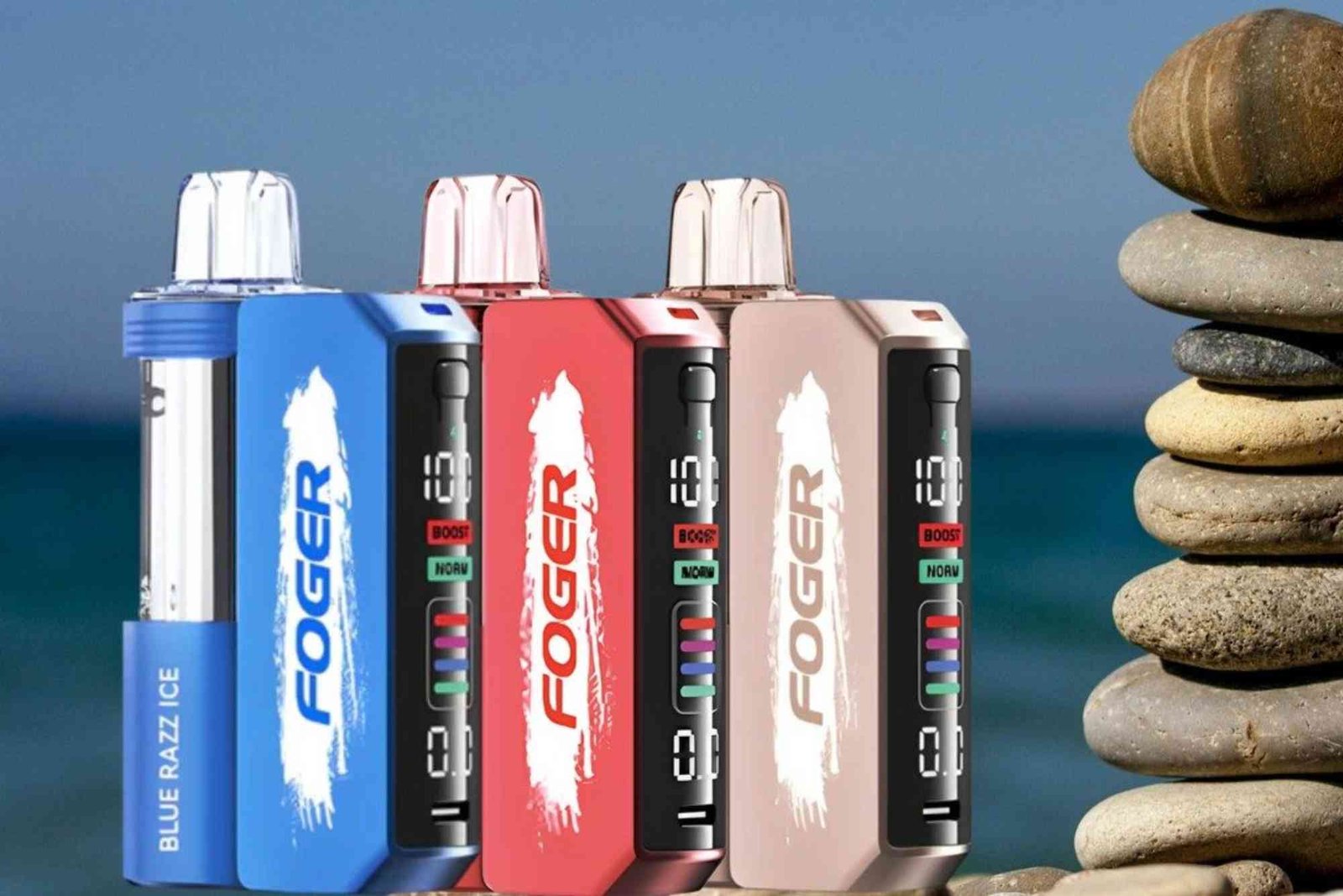
Vaping refers to inhaling aerosol produced by an electronic device. These devices heat a liquid that usually contains nicotine, flavorings, and other chemicals. Vaping emerged as an alternative to smoking traditional cigarettes.
What Is Harm Reduction?
Harm reduction is a public health strategy. It focuses on lowering the risks associated with harmful behaviors instead of insisting on complete abstinence. For tobacco smokers, harm reduction acknowledges that quitting entirely is ideal. However, it accepts safer alternatives that reduce disease risk compared to smoking combustible cigarettes.
The Legal Status of Vapes in New South Wales
New South Wales has strict rules on vaping. Many people are unsure what is legal and what is not. To navigate this topic, it helps to break down the relevant laws.
The Core Law: Nicotine Importation and Use
In NSW, nicotine liquid for vaping is generally regulated. Most nicotine e‑liquids are treated as prescription medicines. This means that importing, possessing or using nicotine vape products without a prescription is illegal. These rules are meant to protect public health and prevent unregulated product use.
When discussing Exploring Vapes illegal NSW in the Context of Harm Reduction, it is important to note that the government does allow lawful pathways for nicotine vaping under medical supervision.
For the most accurate and up‑to‑date legal guidance, refer to NSW Government — vaping & nicotine import/use rules which lays out the current policy framework.
Why Are Some Vapes Illegal?
The key reason lies in public safety. Unregulated vape products vary widely in quality and composition. Some counterfeit or illicit items contain harmful contaminants. The law aims to:
- Reduce youth access to nicotine
- Protect people from unknown chemicals
- Encourage proper medical oversight for nicotine use
This doesn’t necessarily mean vaping is considered harmless by health authorities. Instead, it reflects a cautious regulatory stance.
Harm Reduction and Vaping: The Debate
Vaping as a Harm Reduction Tool
Many public health experts see vaping as less harmful than smoking. This is because vaping eliminates combustion, which produces many toxic chemicals. For smokers who cannot or will not quit, vaping may offer a way to reduce risk.
In the context of Exploring Vapes illegal NSW in the Context of Harm Reduction, this viewpoint argues that well‑regulated access to safer nicotine products could help smokers quit more effectively.
However, this perspective must be balanced against concerns about youth uptake and long‑term effects.
Concerns About Youth and Non‑Smokers
One driving reason for strict laws is the increasing number of young people experimenting with vaping. Even if vaping is less harmful than smoking, it is not harmless. Nicotine exposure can impair adolescent brain development and increase addiction risk.
From a harm‑reduction standpoint, limiting access among nonsmokers is critical to overall public health.
Legal Access to Nicotine Vapes in NSW: What You Should Know
Despite general prohibitions, there are legal pathways for nicotine vaping:
Medical Prescriptions
Doctors in NSW can prescribe nicotine vape products to help adult smokers quit. Under this framework:
- A medical professional assesses suitability
- The prescription guides lawful purchase and use
- The patient avoids illegal importation
This model aligns harm reduction with medical supervision.
Licensed Pharmacies and Prescriptions
Some licensed pharmacies can dispense prescribed nicotine vape products. This reduces the risks tied to unknown or illicit products.
In practice, the pathway involves:
- Consulting a doctor
- Receiving a prescription
- Purchasing regulated products
- Following safe usage guidance
This regulated access supports harm‑reduction goals while keeping public safety in mind.
Consumer Safety: Avoiding Illegal Vape Products
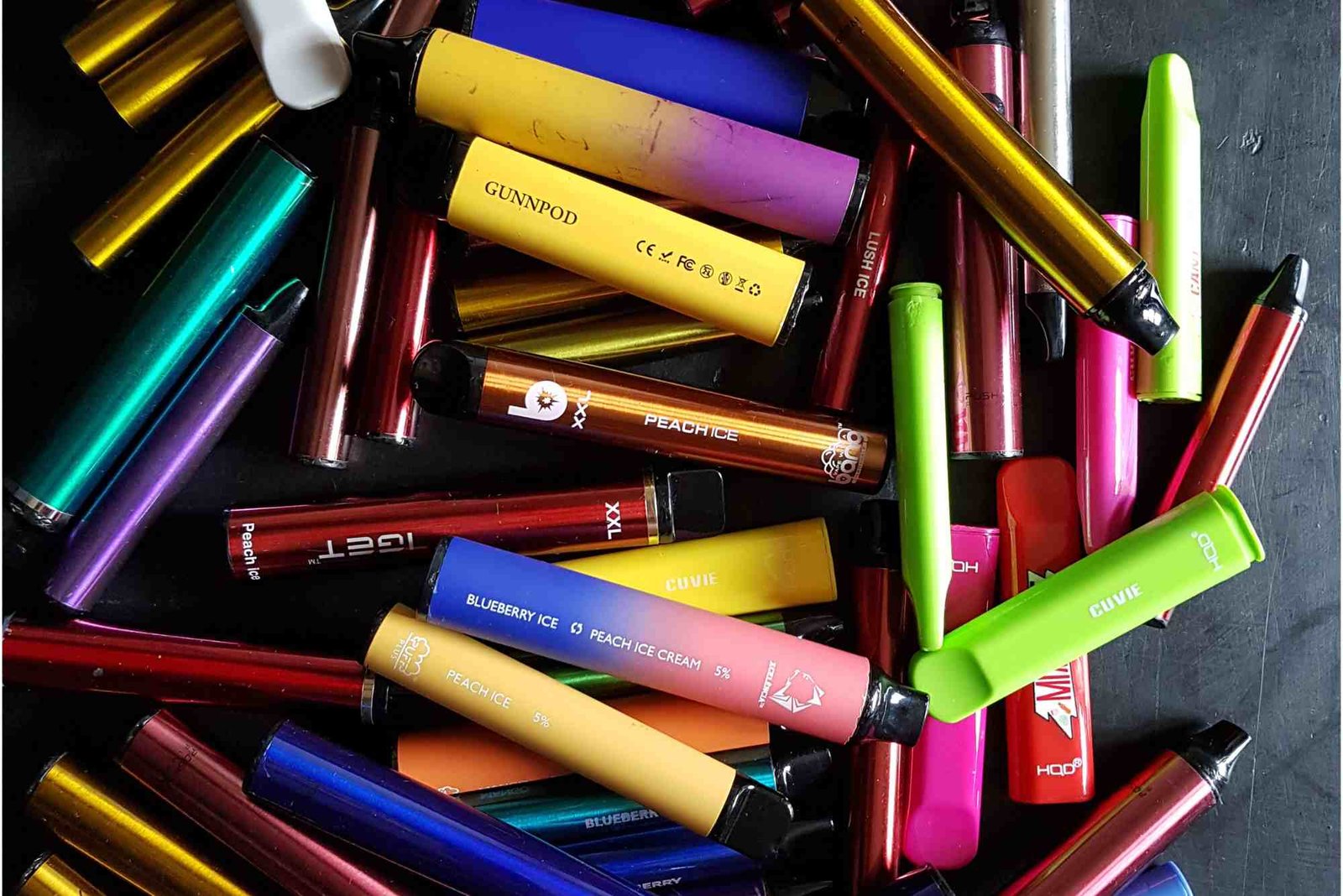
For people in NSW, knowing what is illegal helps protect health and avoid fines or legal trouble. Many illegal products circulate through online marketplaces and unregulated shops. These can pose health threats.
Risks of Illegal Vapes
Illegal vapes may have:
- Unlabeled chemicals
- High nicotine concentrations
- Poor manufacturing standards
- Unknown battery safety
These factors increase the likelihood of adverse reactions and accidental injury.
How to Stay Safe
To minimize risks:
- Always follow NSW regulations
- Consult a healthcare provider
- Do not import without prescription
- Avoid unverified sources
These steps support both lawfulness and harm reduction.
Harm Reduction Strategies Beyond Vaping
While vaping is often discussed in harm‑reduction debates, there are additional options for smokers who want to reduce health risks.
Nicotine Replacement Therapy (NRT)
NRT includes patches, gum, lozenges, and inhalers. These products deliver controlled nicotine doses without combustion. They are widely accepted and legally available.
Behavioral Support
Smoking cessation isn’t just about nicotine. Counseling, quitlines, and support groups help people manage cravings and develop coping strategies.
Combination Approaches
Some individuals benefit from mixing strategies. For example, NRT combined with counseling often yields better outcomes than either approach alone.
Public Health Perspectives on Vapes and Harm Reduction
Public health authorities balance several priorities:
- Reducing smoking‑related diseases
- Preventing youth addiction
- Monitoring emerging evidence on vaping effects
Because vaping is relatively new, long‑term health outcomes are still under study. This uncertainty influences regulatory caution.
Health Gains vs. Risks
From a harm‑reduction lens, vaping may reduce risk for current smokers. But potential uptake among youth and nonsmokers introduces new challenges.
Regulators must weigh these opposing forces when shaping policy.
The Future of Vaping Laws in NSW
Regulations are not static. Laws evolve with new evidence and social trends. Some possibilities include:
- More nuanced age restrictions
- Expanded medical access
- Stronger enforcement against illicit products
- Public education campaigns
The goal is to protect public health while offering safer alternatives to smoking.
Exploring Vapes illegal NSW in the Context of Harm Reduction reveals a nuanced landscape. NSW treats many vape products as illegal without a prescription to protect public safety. At the same time, harm‑reduction advocates highlight vaping’s potential to help smokers quit. Understanding both sides helps you make informed decisions.
If you smoke and are considering alternatives, talk to your doctor about legal options and safe pathways. Knowledge and support are powerful tools in reducing smoking‑related harm.
Take Action: If you want clear legal guidance or support quitting smoking, explore NSW Government — vaping & nicotine import/use rules and consult a health professional today.
(FAQ)
Is vaping completely illegal in NSW?
Vaping nicotine without a valid prescription is generally illegal. Certain non‑nicotine vaping products may be subject to different rules.
Can a doctor prescribe nicotine vapes in NSW?
Yes. Medical professionals can prescribe nicotine vape products for smoking cessation.
Is vaping safer than smoking?
While not harmless, many experts consider vaping less harmful than smoking because it avoids combustion.
Can young people legally buy vapes in NSW?
No. Strict age limits and regulations aim to prevent youth access to vape products.
What happens if I import nicotine vape liquid without a prescription?
Importing nicotine vape liquid without legal authorization may lead to fines or seizure of products.
Are there safer alternatives to vaping for quitting smoking?
Yes. Nicotine replacement therapies (like gum and patches) and behavioral support are effective options.
