



Introduction
Vaping has increasingly become a topic of public health debate in New South Wales. With rising popularity among adults seeking alternatives to traditional smoking, the government has introduced new regulations aimed at reducing harm. Understanding these laws is crucial, not only for vapers but also for public health advocates and policymakers. This article explores new vaping laws NSW in the context of harm reduction, providing clarity on regulations, safety measures, and implications for the community.
Understanding the Landscape of Vaping in NSW
Vaping emerged as a potential tool for harm reduction, offering smokers a less harmful alternative to combustible tobacco. Despite this, the rapid growth of e-cigarette use raised concerns about youth uptake and long-term health effects. In response, NSW authorities updated legislation to strike a balance between accessibility for adult smokers and protection for vulnerable populations.
The key objectives of these laws focus on regulating the sale, advertising, and use of vaping products while promoting harm reduction strategies. By examining these measures, we can understand how public health priorities align with individual choices and societal well-being.
What Harm Reduction Means in Vaping Policy
Harm reduction in public health refers to strategies designed to minimize negative health outcomes without requiring complete abstinence. For vaping, this approach acknowledges that while quitting nicotine entirely is ideal, switching from smoking to vaping significantly lowers exposure to harmful chemicals.
NSW Health has highlighted harm reduction as a guiding principle, ensuring that adults who cannot quit smoking still have safer alternatives. Resources such as NSW Health — vaping & nicotine policy updates emphasize evidence-based approaches to reduce smoking-related disease.
Key Components of the New Vaping Laws in NSW
The revised regulations introduced several measures that affect retailers, users, and public spaces. Understanding these rules is essential to navigate compliance and promote safe vaping practices.
Age Restrictions and Verification
One of the most important aspects is the strict age limit. Only individuals aged 18 years and older can purchase or use vaping products. Retailers are legally obligated to verify age, and failure to comply can result in fines and license suspension. This regulation aims to prevent underage access and protect adolescents from nicotine addiction.
Product Standards and Labeling
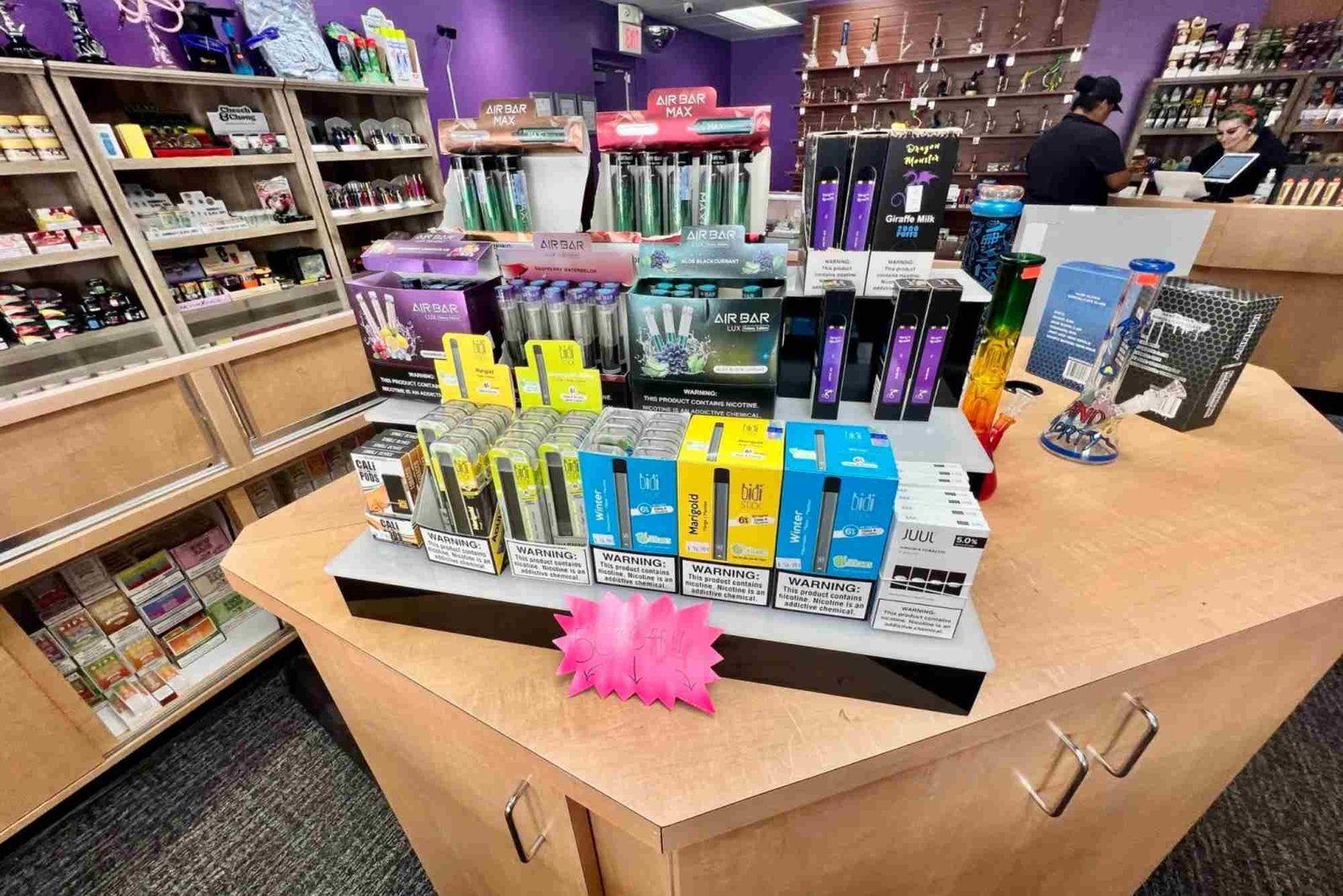
Vaping products sold in NSW must meet specific safety and quality standards. Nicotine-containing e-liquids are regulated to ensure accurate labeling, appropriate concentration, and child-resistant packaging. These standards reduce the risk of accidental ingestion and overconsumption, aligning with harm reduction objectives.
Restrictions on Advertising and Promotion
Advertising and marketing of vaping products are tightly controlled. Promotions cannot target young people, and claims about health benefits must be supported by credible evidence. This measure prevents misleading information and ensures that adults make informed decisions without undue influence.
Public Use Regulations
Vaping is restricted in certain public areas, including enclosed spaces, schools, and healthcare facilities. By regulating where vaping is allowed, NSW authorities protect non-smokers and maintain a safe environment while still supporting adult users in designated areas.
Impact on Smokers and Public Health
The new vaping laws in NSW are designed to balance harm reduction with public safety. Research suggests that switching from smoking to vaping can significantly decrease exposure to harmful chemicals. This transition contributes to lower rates of respiratory and cardiovascular diseases among former smokers.
Supporting Smokers in Quitting
Vaping is increasingly recognized as a cessation tool for smokers who have struggled with traditional methods. By providing regulated access to safer nicotine alternatives, NSW laws aim to reduce the prevalence of smoking-related illnesses while supporting public health objectives.
Reducing Youth Uptake
While adult smokers benefit from regulated vaping, preventing youth uptake remains a top priority. Age restrictions, advertising controls, and public use limitations help ensure that vaping does not become a gateway to nicotine addiction for young people.
Monitoring and Research
NSW Health continuously monitors vaping trends to evaluate the effectiveness of these laws. By analyzing usage patterns and health outcomes, policymakers can refine regulations and maintain a balance between harm reduction and community protection.
Challenges and Considerations
Despite these measures, vaping regulation presents challenges. Public misconceptions about safety, inconsistent product quality, and enforcement difficulties can affect compliance and outcomes. Stakeholders must address these issues through education, community engagement, and ongoing monitoring.
Addressing Misconceptions
Many adults overestimate the risks of vaping compared to smoking. Clear communication about harm reduction, supported by evidence from health authorities, can guide safer choices. Resources like NSW Health — vaping & nicotine policy updates provide reliable information for users and health professionals alike.
Enforcement Challenges
Ensuring retailers comply with age verification and product standards is critical. Authorities must implement consistent inspections and penalties to maintain regulatory integrity. Consumer awareness also plays a role, as informed buyers can identify compliant products and avoid illegal or unsafe alternatives.
Adapting to Evolving Trends
The vaping market evolves rapidly, with new devices and formulations entering the scene. Laws must remain flexible to accommodate innovation while maintaining safety standards. This requires ongoing collaboration between regulators, industry, and public health experts.
Practical Advice for Vapers in NSW
Understanding how to navigate the new laws is essential for responsible use. Adults who choose vaping as a harm reduction tool should follow practical guidelines to maximize safety and compliance.
Choose Compliant Products
Only purchase vaping products from licensed retailers. Check labels for nicotine content, safety certifications, and child-resistant features. Avoid unregulated or imported products that may pose health risks.
Follow Age and Location Rules
Always adhere to age restrictions and designated public use areas. Respecting these rules supports community health and helps maintain positive perceptions of vaping as a harm reduction strategy.
Stay Informed
Regulations may change as research advances. Regularly consult official sources like NSW Health — vaping & nicotine policy updates for the latest guidance. Staying informed helps users make safer, responsible decisions.
Seek Professional Guidance
For smokers considering switching to vaping, consulting healthcare professionals can provide personalized support. Combining vaping with behavioral strategies and cessation resources can increase the likelihood of successful harm reduction.
Balancing Harm Reduction with Safety
The new vaping laws in NSW reflect a careful balance between providing safer alternatives for adult smokers and protecting public health. By emphasizing harm reduction, age restrictions, product safety, and responsible use, these regulations aim to minimize negative outcomes while supporting informed choice.
Vaping can play a meaningful role in reducing smoking-related harm, but it requires awareness, compliance, and ongoing education. Individuals, retailers, and health authorities must work together to ensure that these benefits are realized without compromising community safety.
Take the first step in understanding vaping safely and responsibly in NSW. Stay informed, follow regulations, and make choices that align with harm reduction principles.
FAQs
What are the legal age requirements for vaping in NSW?
Only adults aged 18 years and older can purchase or use vaping products. Retailers must verify age.
Can I vape in public areas?
Vaping is restricted in enclosed spaces, schools, and healthcare facilities. Designated areas may allow vaping.
Are all e-liquids legal in NSW?
No. E-liquids must meet specific standards for labeling, nicotine content, and child-resistant packaging.
Does vaping help smokers quit?
Evidence suggests regulated vaping can support harm reduction and aid smokers in transitioning away from traditional cigarettes.
Where can I find official updates on vaping laws?
NSW Health — vaping & nicotine policy updates is the primary source for current regulations and guidance.
