



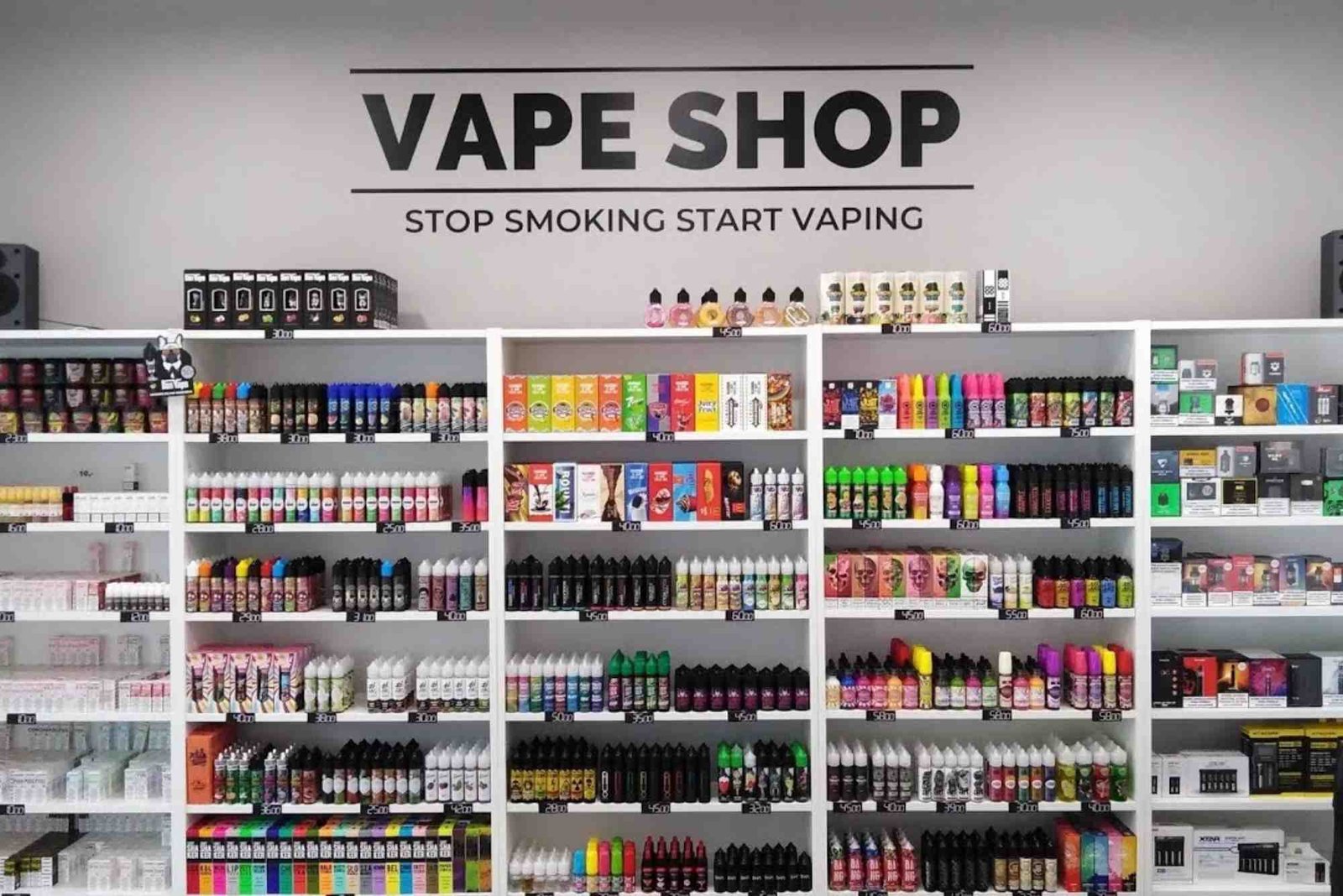




Exploring Do Vapes Have Tobacco in the Context of Harm Reduction
Vaping has become a popular alternative to traditional smoking. Many smokers are switching to e-cigarettes as a way to reduce the health risks associated with tobacco use. However, a common question remains: do vapes have tobacco? Understanding what vapes contain and how they differ from conventional cigarettes is crucial for anyone interested in harm reduction strategies.
Understanding Vapes and Their Ingredients
Vapes, also called e-cigarettes, are devices that heat a liquid to produce vapor for inhalation. Unlike traditional cigarettes, most vapes do not contain tobacco leaves. Instead, the e-liquid inside may include propylene glycol, vegetable glycerin, flavorings, and nicotine.
Nicotine vs Tobacco: Key Differences
Nicotine is the addictive component commonly associated with cigarettes, but it can exist independently of tobacco. While traditional smoking delivers nicotine along with thousands of harmful chemicals from burning tobacco, vaping can provide nicotine without these toxins. According to the CDC — what’s in e-cigarette aerosol & nicotine vs tobacco, vaping aerosols contain far fewer toxic chemicals than cigarette smoke, though they are not entirely risk-free.
Do All Vapes Contain Nicotine?
Not every vape product has nicotine. Many flavored e-liquids are nicotine-free, making them an option for individuals who enjoy vaping without the addictive stimulant. However, a significant portion of adult vapers still chooses nicotine-containing products for either smoking cessation or recreational purposes. This distinction is important in harm reduction conversations because nicotine alone, while addictive, is less harmful than the thousands of chemicals in combusted tobacco.
The Role of Vapes in Harm Reduction
Harm reduction focuses on minimizing the negative health effects of risky behaviors rather than demanding complete abstinence. For smokers unable or unwilling to quit, vaping offers a potential method to lower exposure to dangerous chemicals.
Reduced Exposure to Carcinogens
Traditional cigarette smoke contains over 7,000 chemicals, hundreds of which are toxic, and at least 70 can cause cancer. Switching to vapes eliminates exposure to many of these harmful compounds. While vaping is not risk-free, studies consistently show that it delivers fewer toxins than combustible tobacco.
Nicotine Control
Vapes allow users to control nicotine levels, which can aid gradual reduction. Smokers can start with higher concentrations and decrease over time. This personalized approach to nicotine intake is not possible with standard cigarettes, making vaping a tool for gradual harm reduction.
Behavioral Similarities to Smoking
One reason vapes are effective in harm reduction is that they mimic the hand-to-mouth action and inhalation experience of smoking. This behavioral similarity can help smokers transition away from combustible cigarettes without feeling deprived, increasing the likelihood of quitting traditional tobacco.
Health Considerations When Vaping
Even though vapes reduce exposure to many harmful chemicals, they are not completely safe. Understanding potential health effects helps in making informed choices.
Respiratory Health
Vaping can irritate the lungs and airways, especially in individuals with pre-existing conditions like asthma. Research suggests that long-term vaping could affect lung function, though the risks are substantially lower than those associated with smoking tobacco.
Cardiovascular Impact
Nicotine in vapes can raise heart rate and blood pressure temporarily. While this is less harmful than the cardiovascular strain from smoking cigarettes, it still warrants caution for individuals with heart disease.
Youth and Non-Smokers
Harm reduction principles are mainly targeted at current smokers. Vaping should not be promoted for non-smokers, especially youth, as nicotine exposure can lead to addiction and developmental issues. Public health policies emphasize this distinction to prevent unintended harm.
Vaping vs Traditional Cigarettes: What the Research Shows
Multiple studies have compared the health outcomes of vaping versus smoking. Evidence indicates that switching completely to e-cigarettes reduces biomarkers of exposure to toxic chemicals.
Cancer Risk Reduction
By avoiding combustion, vapers significantly reduce intake of carcinogens. While long-term studies are still ongoing, preliminary data suggest lower cancer risk compared to continued smoking.
Impact on Respiratory Illness
Vaping appears to have fewer adverse effects on lung function than smoking. Chronic bronchitis and respiratory infections are more common among cigarette smokers, while exclusive vapers report fewer incidents of these conditions.
Public Health Perspectives
Authorities in several countries, including the UK and New Zealand, support vaping as part of harm reduction strategies for smokers. Their guidance focuses on encouraging smokers to switch completely from combustible tobacco to vaping, rather than using both products concurrently.
Do Vapes Contain Tobacco? Clarifying Common Misconceptions
Many people assume that vaping is just another form of smoking. The reality is more nuanced.
No Tobacco Leaves in Most E-Liquids
Most commercial e-liquids do not contain tobacco leaves. They provide nicotine, which can be derived from tobacco, but the harmful elements of burning tobacco are absent. This distinction is critical in harm reduction, as it separates nicotine consumption from exposure to tar and carcinogens.
Nicotine Extraction vs Tobacco Use
Nicotine in vapes is often extracted from tobacco plants, but it undergoes a purification process that removes other harmful compounds. Thus, while nicotine originates from tobacco, vapes themselves do not deliver the toxic mixture found in cigarettes.
Understanding Vape Labeling
Products labeled as “tobacco-flavored” do not contain actual tobacco; they only replicate the taste. Consumers should read labels carefully and rely on reputable sources to understand what they are inhaling.
Conclusion: Vaping as a Harm Reduction Tool
Vaping represents a less harmful alternative to smoking combustible tobacco. While it is not risk-free, it delivers nicotine without the thousands of toxic chemicals present in cigarette smoke. For smokers, understanding that vapes do not contain tobacco in the traditional sense is an essential step in exploring harm reduction options.
If you are a smoker considering a switch, consult credible sources and consider gradual nicotine reduction through vaping. Public health authorities and research studies support vaping as a viable option for minimizing harm while maintaining nicotine satisfaction.
Call to Action: Explore safer alternatives today. If you are a smoker, consider learning more about e-cigarettes as a harm reduction strategy and make informed choices for your health. Visit CDC — what’s in e-cigarette aerosol & nicotine vs tobacco for reliable information.
FAQs
Q1: Are vapes completely safe compared to smoking?
No, vapes are not entirely risk-free. However, they contain far fewer toxic chemicals than cigarettes, reducing harm significantly.
Q2: Can you get addicted to vaping?
Yes, nicotine-containing e-liquids are addictive. Harm reduction involves using vapes to reduce harmful exposure, not eliminating addiction entirely.
Q3: Do all vapes contain nicotine?
No, many vapes are nicotine-free. Users can choose levels that suit their needs, supporting gradual reduction or recreational use without nicotine.
Q4: Do flavored vapes contain tobacco?
Flavored e-liquids, even those labeled “tobacco flavor,” usually do not contain tobacco leaves. They only mimic the taste of cigarettes.
Q5: Is vaping recommended for non-smokers?
No. Harm reduction strategies target current smokers. Non-smokers, especially youth, should avoid vaping due to nicotine addiction risks.
Q6: How do vapes help in quitting smoking?
Vapes provide nicotine and replicate the behavioral aspects of smoking, helping users gradually reduce or replace cigarette use, lowering exposure to harmful chemicals.
