



Introduction
The debate around NC vape THC laws has intensified over the last few years. Parents, educators, health experts, and policymakers all ask the same question. Are these laws grounded in solid science, or are they driven by panic around vaping culture? North Carolina’s approach to THC vaping sits at the intersection of public health, youth protection, and evolving cannabis science.
Vaping technology moved faster than regulation. THC cartridges, delta-8 products, and disposable vapes appeared before long-term data existed. Lawmakers reacted under pressure to act quickly. That urgency fuels the perception of hype. At the same time, real health incidents forced serious review. Understanding whether NC vape THC laws are evidence-based requires separating medical data from political momentum.
This article explores the science, legal framework, and real-world outcomes shaping THC vape regulation in North Carolina. It aims to inform, not persuade, using verifiable health research and policy context.
Understanding What THC Vaping Means in North Carolina
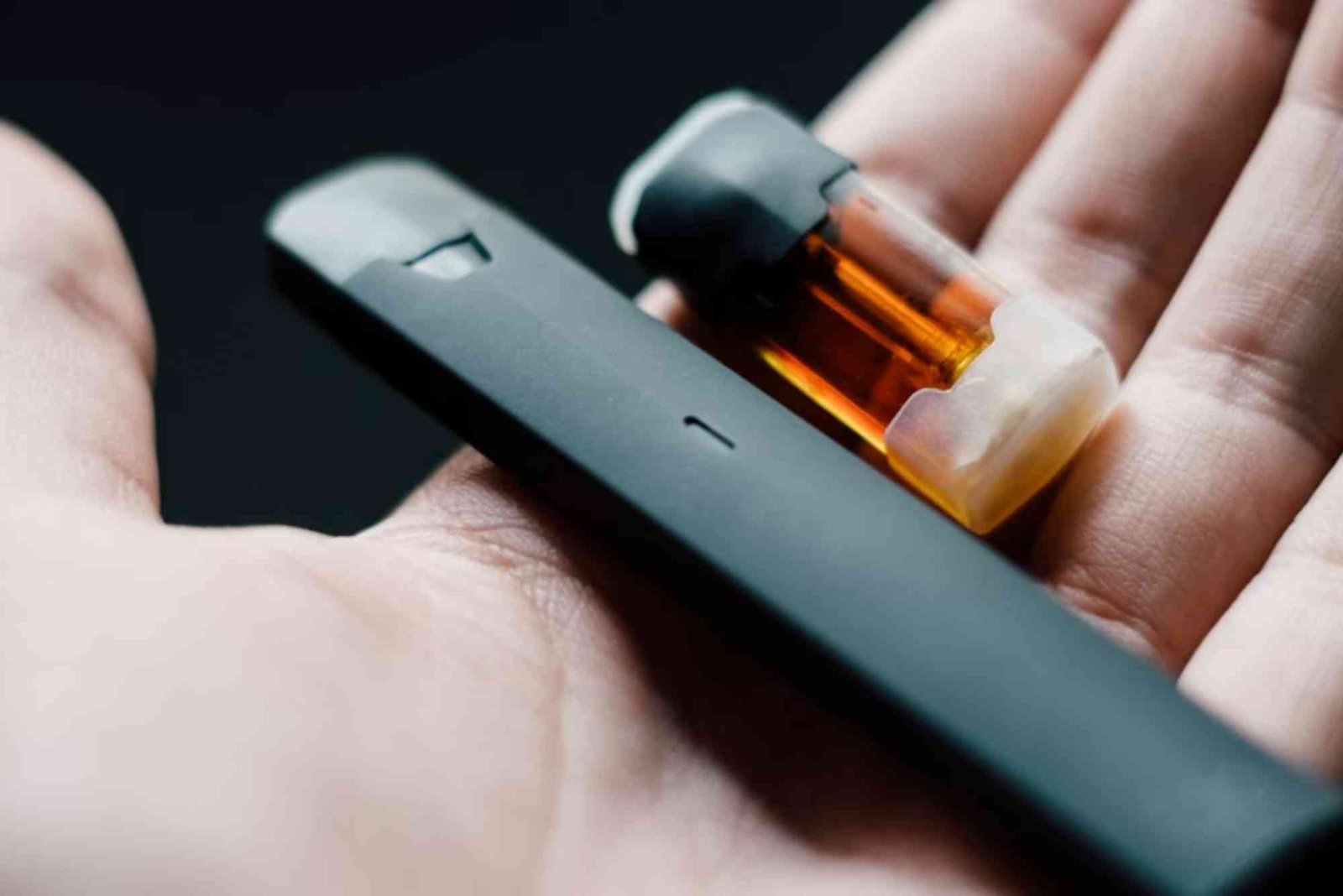
THC vaping refers to inhaling tetrahydrocannabinol through electronic devices. In North Carolina, this includes delta-9 THC, delta-8 THC, and other hemp-derived cannabinoids. Each compound carries different legal definitions and health profiles.
Delta-9 THC remains illegal for recreational use under state law. Delta-8 exists in a legal gray area because it can be derived from federally legal hemp. This distinction complicates enforcement and public understanding of NC vape THC laws.
Vaping differs from smoking in delivery method. It heats liquid concentrates rather than burning plant material. This changes exposure risks. Science evaluates these differences carefully, while laws often apply broad restrictions.

The Legal Foundation of NC Vape THC Laws
North Carolina regulates THC vapes through a mix of cannabis statutes, controlled substance laws, and vaping restrictions. The state has not legalized recreational marijuana. Medical marijuana access remains extremely limited.
Hemp-derived products are legal if they contain less than 0.3 percent delta-9 THC by dry weight. This loophole allowed delta-8 vapes to flood the market. Lawmakers responded by proposing tighter controls rather than outright bans.
Recent legislative sessions focused on age limits, licensing, and product testing. These measures align with public health frameworks rather than moral objections. The intent behind NC vape THC laws centers on reducing harm, especially among minors.
Health Science Behind THC Vaping
Scientific research on THC vaping is still developing. Long-term studies are limited because products are new. However, short-term data offers useful insights.
THC affects brain development in adolescents. Inhaled THC reaches the bloodstream rapidly. This increases the risk of dependency in young users. Studies consistently show higher addiction potential with early exposure.
Vaping THC can also irritate lungs. Some additives used in cartridges may produce toxic compounds when heated. The EVALI outbreak in 2019 highlighted these risks. Vitamin E acetate was identified as a major culprit.
Public health agencies use this evidence to justify regulation. These findings directly influenced NC vape THC laws, especially restrictions around flavored cartridges and youth access.
Are These Laws Reactive or Preventive?
Critics argue that North Carolina reacted too quickly. They claim policymakers followed national fear cycles rather than local data. This criticism deserves careful examination.
While some laws were introduced rapidly, they mirror CDC guidance and peer-reviewed research. Preventive policy often acts before absolute certainty exists. Waiting for decades of data may cost lives.
In this sense, NC vape THC laws follow the precautionary principle. This approach is common in environmental and public health regulation. It prioritizes risk reduction when credible harm is plausible.
Youth Vaping and the Science of Prevention
Youth vaping rates rose sharply after 2018. THC cartridges became popular due to discreet designs. Research shows adolescents underestimate vaping risks compared to smoking.
Brain imaging studies indicate THC exposure can affect memory and impulse control. These effects are stronger in developing brains. North Carolina lawmakers cited this data during committee hearings.
Age restrictions and retail enforcement aim to reduce early exposure. From a scientific standpoint, these policies align with neurological research. This supports the claim that NC vape THC laws are grounded in evidence.
Delta-8 THC and Regulatory Confusion
Delta-8 THC presents one of the biggest challenges. It produces psychoactive effects similar to delta-9. However, it is often marketed as legal and safe.
Scientific literature on delta-8 remains limited. Preliminary studies suggest similar cognitive and cardiovascular effects. Poison control calls involving delta-8 increased nationwide.
North Carolina responded by proposing labeling and testing requirements. These steps reflect uncertainty rather than hysteria. Regulators seek transparency while research catches up.
The complexity of delta-8 highlights why NC vape THC laws can appear inconsistent. The science itself is still evolving.
The Role of Federal Influence
Federal agencies shape state policy indirectly. The FDA has issued warnings about THC vaping products. The CDC continues to monitor lung injury cases.
North Carolina aligns many regulations with federal guidance to reduce liability and confusion. This alignment strengthens the scientific basis of state laws.
Public notices and health advisories from agencies like the North Carolina Department of Health and Human Services — cannabis & vaping notices provide ongoing updates. These communications rely on surveillance data rather than speculation.
Economic and Enforcement Realities
Science may guide lawmaking, but enforcement shapes outcomes. North Carolina faces limited resources for testing and inspections. This reality affects how laws function on the ground.
Unregulated markets persist when legal clarity is lacking. Researchers note that inconsistent enforcement can undermine public health goals. Lawmakers acknowledge this challenge.
Efforts to standardize testing aim to close these gaps. Such measures show an understanding of applied science, not just theoretical risk. This reinforces the legitimacy of NC vape THC laws.
Comparing NC to Other States
States with legalized cannabis offer useful comparisons. Research from regulated markets shows fewer illicit additives in tested products. However, youth use does not disappear entirely.
North Carolina’s restrictive approach prioritizes prevention over access. This choice reflects local values and available data. It does not indicate ignorance of science.
Different states interpret the same evidence differently. That variation does not mean science is absent. It shows how policy balances risk and freedom.
Public Perception and Media Influence
Media coverage often amplifies fear. Headlines focus on extreme cases rather than averages. This shapes public opinion around vaping.
However, lawmakers cite peer-reviewed journals more than news stories. Hearing transcripts reveal reliance on toxicology reports and epidemiological studies.
The gap between perception and policy fuels accusations of hype. A closer look shows NC vape THC laws draw more from science than social panic.
FAQs
Is THC vaping legal in North Carolina?
Recreational THC vaping is illegal. Hemp-derived products exist in limited legal frameworks. Enforcement varies by compound.
Is delta-8 THC legal to vape in NC?
Delta-8 occupies a gray area. Proposed regulations aim to restrict sales and require testing.
Why is North Carolina strict about THC vapes?
The state prioritizes youth protection and lung health. Scientific data supports these concerns.
Are THC vapes safer than smoking?
Research suggests different risks, not lower risk. Vaping introduces unique lung exposure concerns.
Can these laws change as science evolves?
Yes. Legislators frequently update statutes based on new health data and federal guidance.
When examining intent, evidence, and structure, NC vape THC laws show strong scientific grounding. They respond to documented health risks, not moral panic.

