


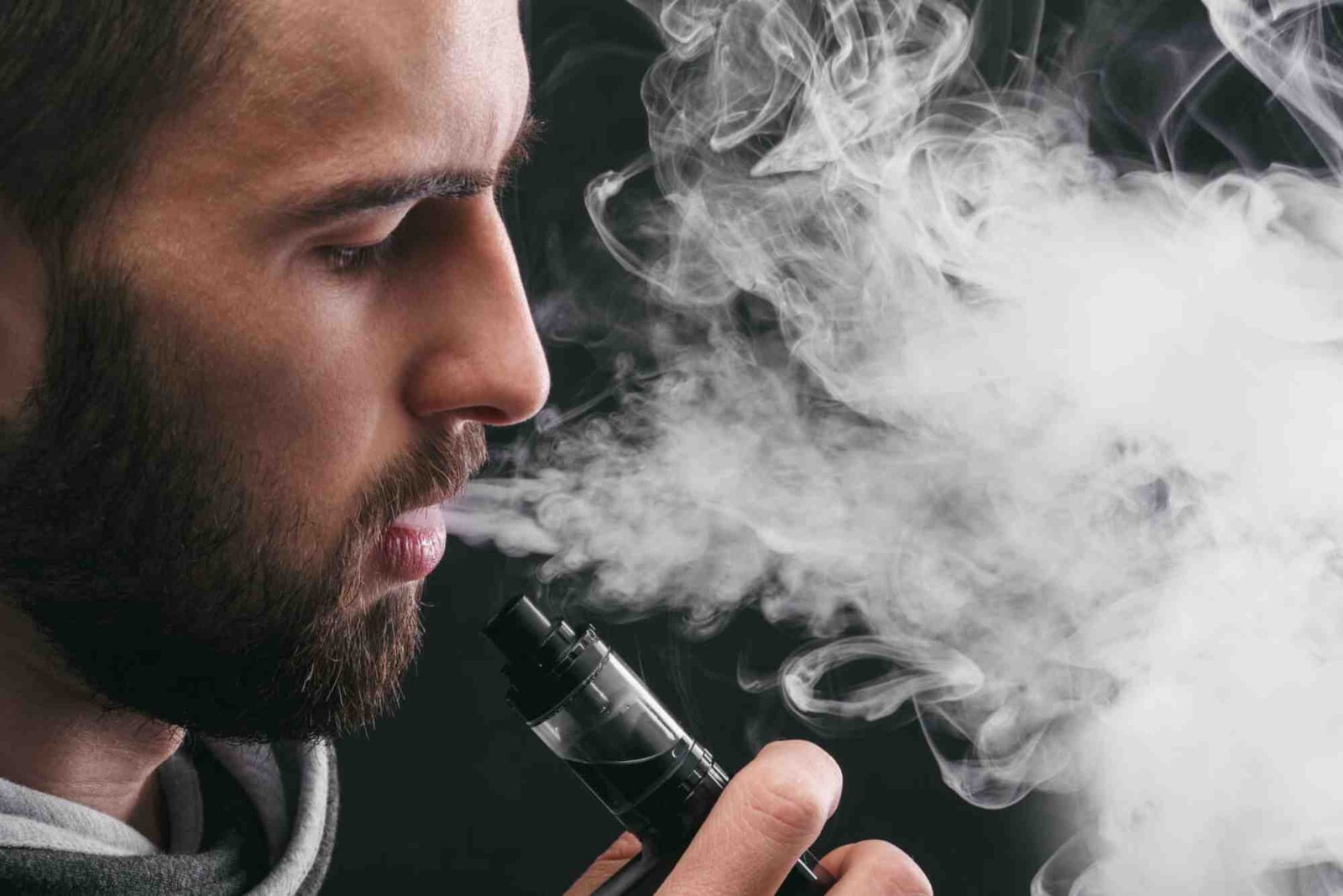



Vaping has transformed the way adults consume nicotine, cannabis, and other concentrates, but the legal landscape remains complex. Understanding vape laws and concentrates in the context of harm reduction is critical for both consumers and policymakers. This approach focuses on minimizing health risks while navigating the evolving regulatory environment. With stricter regulations and growing awareness of health impacts, exploring these issues provides valuable guidance for safe usage.
Understanding Vape Laws and Their Evolution
Vape laws have evolved rapidly over the past decade. Governments aim to balance public health concerns with consumer freedom, especially as new products like cannabis concentrates enter the market. Regulatory frameworks differ widely between regions, with some enforcing strict licensing, age verification, and product standards. Others focus on consumer education and harm reduction strategies. By staying informed, users can avoid legal pitfalls while making healthier choices.
Licensing and Age Restrictions
One critical aspect of vape laws is age restriction enforcement. Most jurisdictions require users to be 18 or 21, depending on local regulations. Retailers must verify age and follow strict compliance rules, often under severe penalties for violations. For concentrates, which are more potent than traditional vaping products, these laws are even more stringent to prevent misuse. Understanding these limits ensures users remain within legal boundaries while promoting safe consumption.
Product Standards and Safety Regulations
Regulations also address the safety of vape devices and concentrates. Manufacturers must comply with quality testing, labeling requirements, and ingredient disclosure. Harmful additives like vitamin E acetate have been banned after being linked to serious health incidents. By adhering to product standards, regulators aim to reduce risks associated with vaping, making harm reduction an integral part of legal frameworks.
The Role of Concentrates in Vaping
Concentrates, such as wax, shatter, and oils, have grown in popularity due to their potency and efficiency. Unlike traditional vaping liquids, concentrates deliver higher concentrations of active compounds, which increases both benefits and potential risks. Understanding their composition and safe usage practices is vital for harm reduction.
Potency and Risk Management
Higher potency means a more intense experience, but also a higher risk of overconsumption. Harm reduction strategies encourage users to start with low doses and gradually adjust, minimizing potential health effects. Educating consumers on proper dosage and effects is essential, especially in areas where concentrates are newly legalized or poorly regulated.

Safe Consumption Techniques
Using concentrates responsibly involves both device knowledge and consumption technique. Proper temperature control prevents combustion and reduces harmful byproducts. Additionally, clean devices and properly stored concentrates limit exposure to contaminants. Educating users about these practices aligns with harm reduction principles while maintaining an enjoyable experience.
Harm Reduction: A Practical Approach
Harm reduction emphasizes reducing negative outcomes rather than enforcing abstinence. In vaping, this philosophy guides safer consumption practices, including proper product selection, controlled dosing, and device hygiene. Policies that integrate harm reduction are shown to reduce public health risks while respecting personal choice.
Education and Consumer Awareness
Awareness campaigns about safe vaping practices, particularly for concentrates, empower users to make informed decisions. Clear labeling, instructional guides, and access to accurate information are all essential. National cannabis & vaping regulators — concentrate rules provide resources for understanding limits and safe usage, helping consumers avoid accidental overuse or legal issues.
Monitoring and Reporting
Tracking adverse effects and product quality ensures regulators can respond quickly to health risks. This proactive approach supports harm reduction by identifying problematic products and enabling recalls before widespread harm occurs. Users benefit from transparent reporting systems, which reinforce trust in the legal and regulatory framework.
Legal Variations Across Regions
Vape and concentrate laws vary internationally and even within countries. Some regions treat concentrates as controlled substances, while others integrate them into regulated markets. This disparity requires users to stay informed about local regulations, especially when traveling. Awareness of jurisdiction-specific rules helps prevent legal consequences and supports safe, responsible use.
The Impact of Legalization
Legalization often brings stricter quality controls, age verification, and standardized labeling. These measures promote harm reduction by limiting unregulated products and encouraging responsible consumption. Conversely, areas without clear legal frameworks risk untested products and unsafe practices. Understanding this contrast emphasizes why staying informed about local laws is critical.
The Intersection of Technology and Regulation
Vape devices have become technologically sophisticated, allowing precise dosing and temperature control. Regulatory bodies increasingly integrate these features into compliance standards, requiring devices to meet safety benchmarks. This combination of technology and regulation supports harm reduction by minimizing risks associated with improper usage or faulty equipment.
Innovative Safety Features
Modern devices include child-lock mechanisms, overheat protection, and automatic shut-off features. These innovations reduce accidents and improve user control, aligning with harm reduction principles. When paired with clear regulations, technological safeguards help maintain a safer vaping environment.
Ongoing Research and Policy Development
Continuous research informs policy evolution, ensuring that new findings about health impacts and device safety shape regulations. Governments and advocacy groups often collaborate to update legal frameworks, balancing consumer freedom with public safety. This dynamic process reinforces harm reduction while adapting to changing technology and market trends.
Exploring vape laws and concentrates in the context of harm reduction highlights the importance of knowledge, responsibility, and legal awareness. By understanding regulations, practicing safe consumption, and using technological safeguards, users can enjoy vaping while minimizing risks. Staying informed about legal changes and product standards ensures that vaping remains a safer alternative for adults.
For those interested in learning more, staying updated with national cannabis & vaping regulators — concentrate rules helps maintain both legal compliance and personal safety. Embrace harm reduction practices today and make vaping a safer, more responsible experience.
FAQ
What are vape concentrates?
Vape concentrates are highly potent extracts from cannabis or other substances, designed for use with specialized vape devices.
Are vape concentrates legal everywhere?
No, legality varies by region and product type. Some areas strictly regulate or ban concentrates entirely.
How can harm reduction be applied to vaping?
Harm reduction includes using safe devices, controlling dosage, understanding product composition, and following legal guidelines.
What safety measures should I take with vape concentrates?
Use temperature-controlled devices, store products properly, start with low doses, and adhere to product safety standards.
Why is knowledge of local laws important for vape users?
Vape and concentrate laws differ by location. Being informed helps avoid legal trouble and supports safe consumption practices.
