



Introduction
Vaping has grown significantly as an alternative to traditional smoking. With its rising popularity, many individuals are asking: are there any laws on vaping in enclosed buildings? Understanding the legal landscape is crucial, not only for compliance but also for promoting harm reduction in public spaces. Harm reduction focuses on minimizing health risks rather than insisting on complete cessation, and vaping has been positioned as a tool in this context. This article explores vaping regulations in enclosed buildings, considers the harm reduction perspective, and highlights practical implications for businesses and public institutions.
Understanding Vaping and Its Health Context
What Is Vaping?
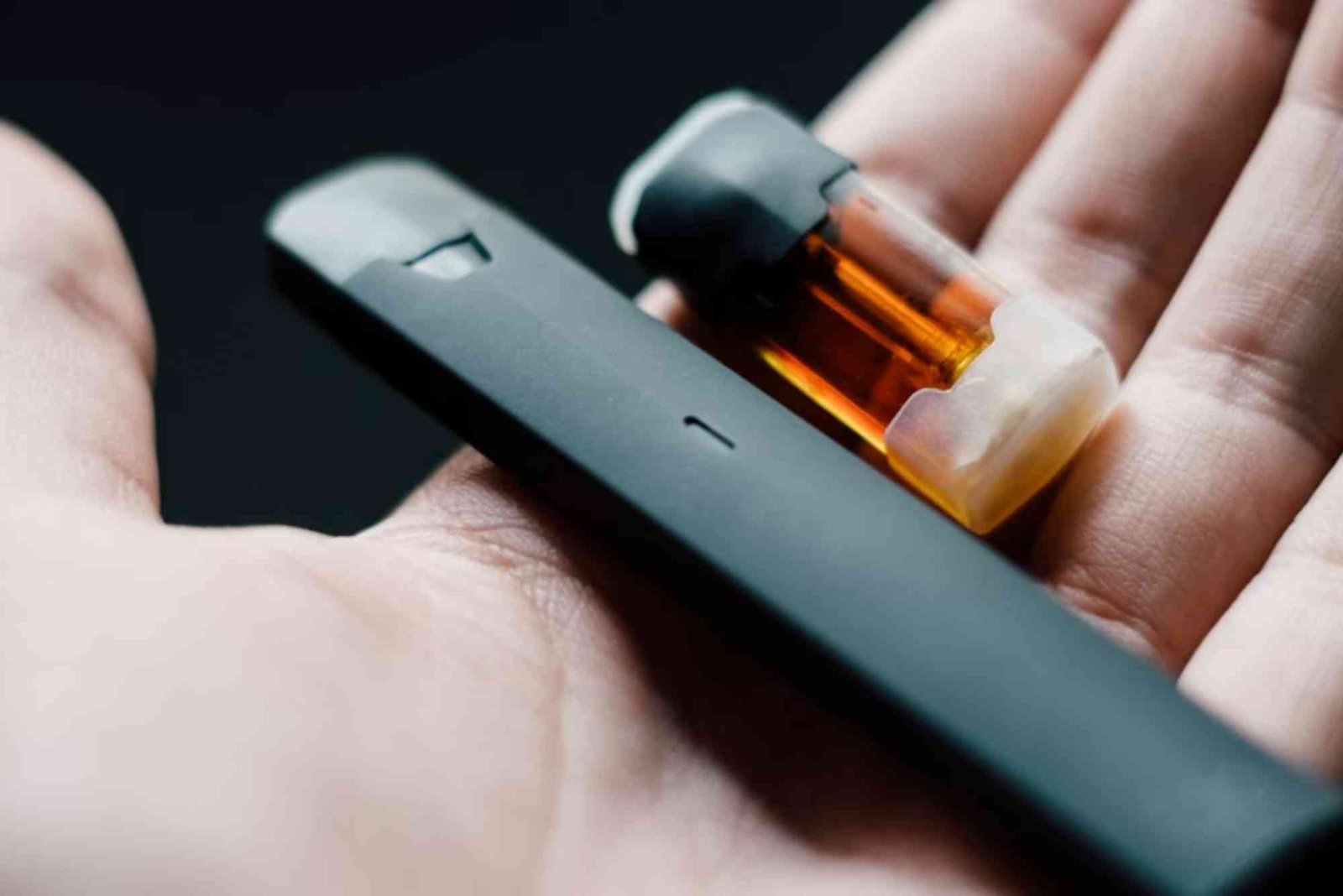
Vaping involves inhaling vapor produced by electronic nicotine delivery systems (ENDS). These devices heat a liquid—commonly containing nicotine, flavorings, and other chemicals—into an aerosol that can be inhaled. Unlike combustible cigarettes, vaping avoids the harmful byproducts of burning tobacco, making it an appealing alternative for smokers seeking lower-risk options.
Health Implications of Vaping
While vaping is not risk-free, research suggests it is significantly less harmful than traditional smoking. Public Health England, for example, estimates that vaping is around 95% less harmful than cigarettes. Vaping reduces exposure to tar, carbon monoxide, and other toxic substances, aligning with harm reduction principles by providing a safer method for nicotine consumption.
Legal Framework Surrounding Vaping in Enclosed Buildings
National and Regional Regulations
Most countries regulate smoking in enclosed public spaces to protect non-smokers from secondhand smoke. Vaping regulations often mirror these policies but vary widely. Some jurisdictions explicitly ban vaping in indoor public spaces, while others leave it unregulated, creating a patchwork of rules that can confuse businesses and consumers.
United Kingdom Perspective
In the UK, vaping is largely permitted indoors unless specific laws restrict it. Businesses and institutions can adopt their own policies, often guided by National building & health codes / UK Gov guidance. Many establishments encourage vaping outdoors to protect non-vapers and maintain indoor air quality. These measures reflect a cautious approach to harm reduction, balancing the benefits for smokers with public health considerations.
Comparison with Other Countries
Other nations, including parts of the US, Canada, and Australia, have stricter rules. For example, several US states prohibit vaping anywhere smoking is banned, including restaurants, workplaces, and public transport. These policies aim to protect bystanders from aerosol exposure while acknowledging that vaping remains a harm reduction alternative for smokers.

The Role of Harm Reduction in Vaping Policies
Understanding Harm Reduction
Harm reduction is a public health approach that prioritizes minimizing risks rather than demanding total abstinence. In the context of nicotine, harm reduction recognizes that some adults will continue using nicotine products and seeks safer alternatives, such as vaping.
Vaping as a Harm Reduction Tool
Vaping allows smokers to reduce their exposure to toxic chemicals without necessarily quitting nicotine. Public health experts advocate for responsible vaping policies that encourage safer use while preventing unintended exposure in sensitive spaces like schools, hospitals, and offices.
Balancing Indoor Regulations and Harm Reduction
Indoor vaping policies must strike a balance. Complete bans protect non-vapers and maintain clean indoor air, but overly restrictive rules may discourage smokers from switching to lower-risk alternatives. Clear communication, designated vaping areas, and signage can support both public health and harm reduction goals.
Implications for Enclosed Spaces and Businesses
Workplace Considerations
Employers face unique challenges. Allowing vaping indoors may conflict with employee preferences or local regulations. Conversely, banning vaping entirely may reduce the incentive for employees to switch from smoking. Clear policies aligned with harm reduction principles can help workplaces navigate these concerns.
Hospitality and Public Venues
Restaurants, gyms, and entertainment venues often prohibit vaping indoors to maintain a comfortable environment for all patrons. Harm reduction principles can still guide practices, such as providing outdoor vaping areas or offering educational materials on safer alternatives.
Education and Public Health Facilities
Schools and healthcare institutions frequently enforce strict bans to protect vulnerable populations. Yet, harm reduction education can support public awareness campaigns, Exploring Are They any Laws on Vaping in enclosed Buildings in the Context of Harm Reduction emphasizing vaping as a less harmful alternative to smoking.
Public Perception and Compliance
Public attitudes toward vaping indoors remain mixed. While many recognize its harm reduction potential, concerns about aerosol exposure and odor persist. Compliance is influenced by clear signage, consistent policies, and public education. Encouraging voluntary adherence often proves more effective than punitive measures.
Future Trends in Vaping Regulations
Vaping regulations continue to evolve. With increasing research into health impacts, governments may refine indoor policies. Emerging trends include expanding harm reduction frameworks, allowing controlled vaping indoors under certain conditions, and implementing technology to monitor indoor air quality. Businesses should stay informed to adapt policies proactively.
Understanding whether there are laws on vaping in enclosed buildings requires considering both legal frameworks and harm reduction strategies. While regulations vary globally, the focus remains on balancing individual choice with public safety. Businesses, policymakers, and individuals can benefit from informed, evidence-based approaches that reduce risks while accommodating safer alternatives. Encouraging responsible vaping indoors, combined with harm reduction education, provides a path toward healthier public spaces.
Stay informed about vaping regulations in your area and implement harm reduction strategies responsibly. Visit National building & health codes / UK Gov guidance for up-to-date guidance.
FAQ
Are there laws banning vaping in enclosed buildings?
Yes, laws vary by country and region. Some mirror smoking bans, while others leave vaping unregulated.
Can businesses set their own vaping policies indoors?
Yes. Many businesses prohibit indoor vaping to protect non-vapers, guided by national health codes and local laws.
Is vaping safer than smoking indoors?
Research shows vaping is significantly less harmful than smoking, though aerosol exposure is not risk-free.
How does harm reduction influence indoor vaping rules?
Harm reduction encourages safer alternatives to smoking while balancing public health and personal choice.
Are designated indoor vaping areas allowed?
In some regions, businesses may provide controlled indoor spaces, though outdoor areas are generally preferred.
