


Introduction
In recent years, many people have wondered: is vaping allowed indoors, especially when considering harm reduction? With growing interest in safer alternatives to smoking, vaping often appears as a compromise. Yet indoor environments pose unique challenges. This article explores whether vaping allowed indoors aligns with harm reduction goals. We examine evidence on air quality, public health, and relevant policies. Most importantly, we offer clarity so you can make informed choices.
Understanding Harm Reduction & Vaping
What is Harm Reduction?
Harm reduction refers to pragmatic strategies that aim to reduce negative health effects of risky behaviors. When applied to tobacco, it encourages safer alternatives for smokers who struggle to quit. Vaping is often proposed as one such alternative because it eliminates combustion and many of the toxins found in traditional cigarettes.
Why Some View Vaping as Safer
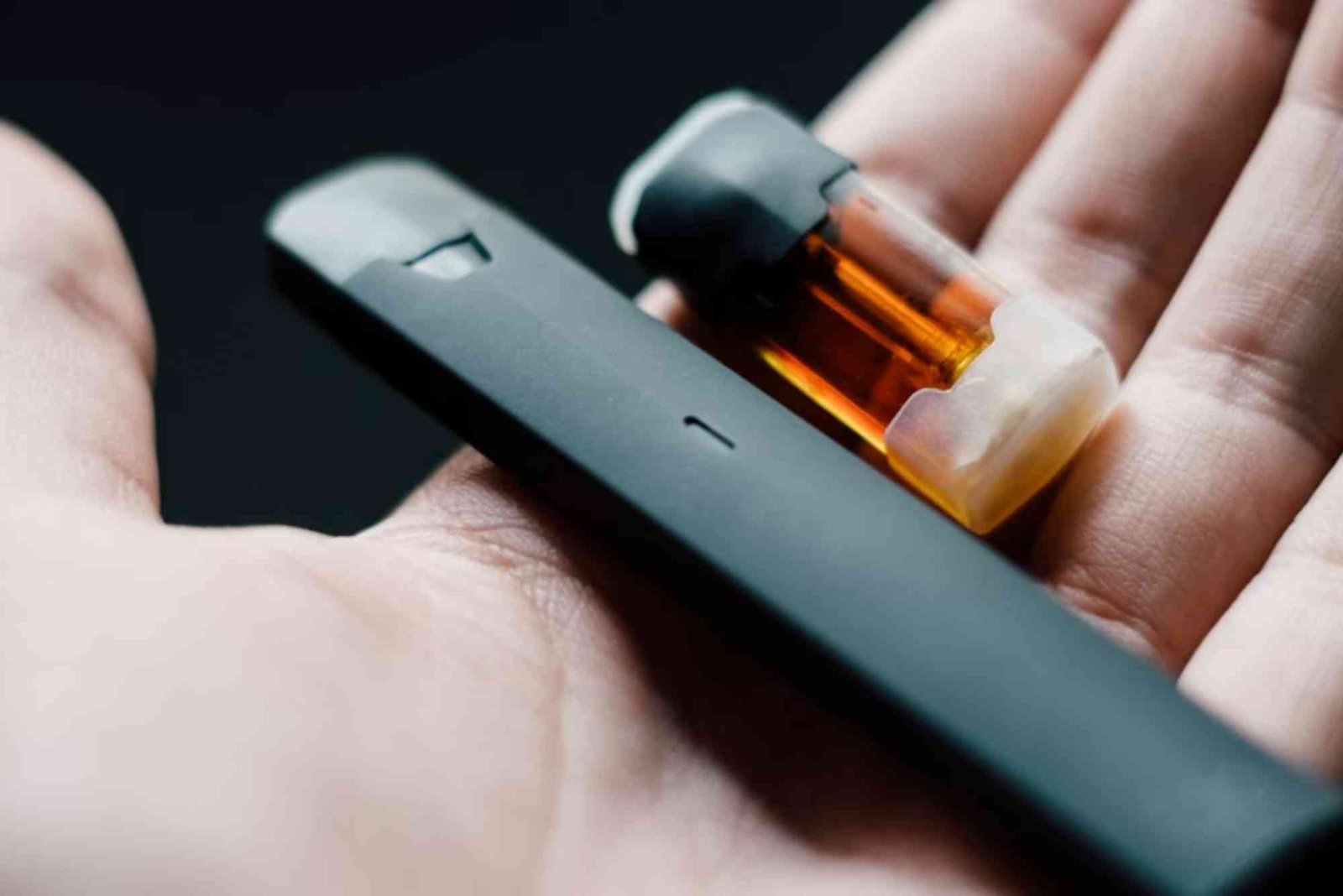
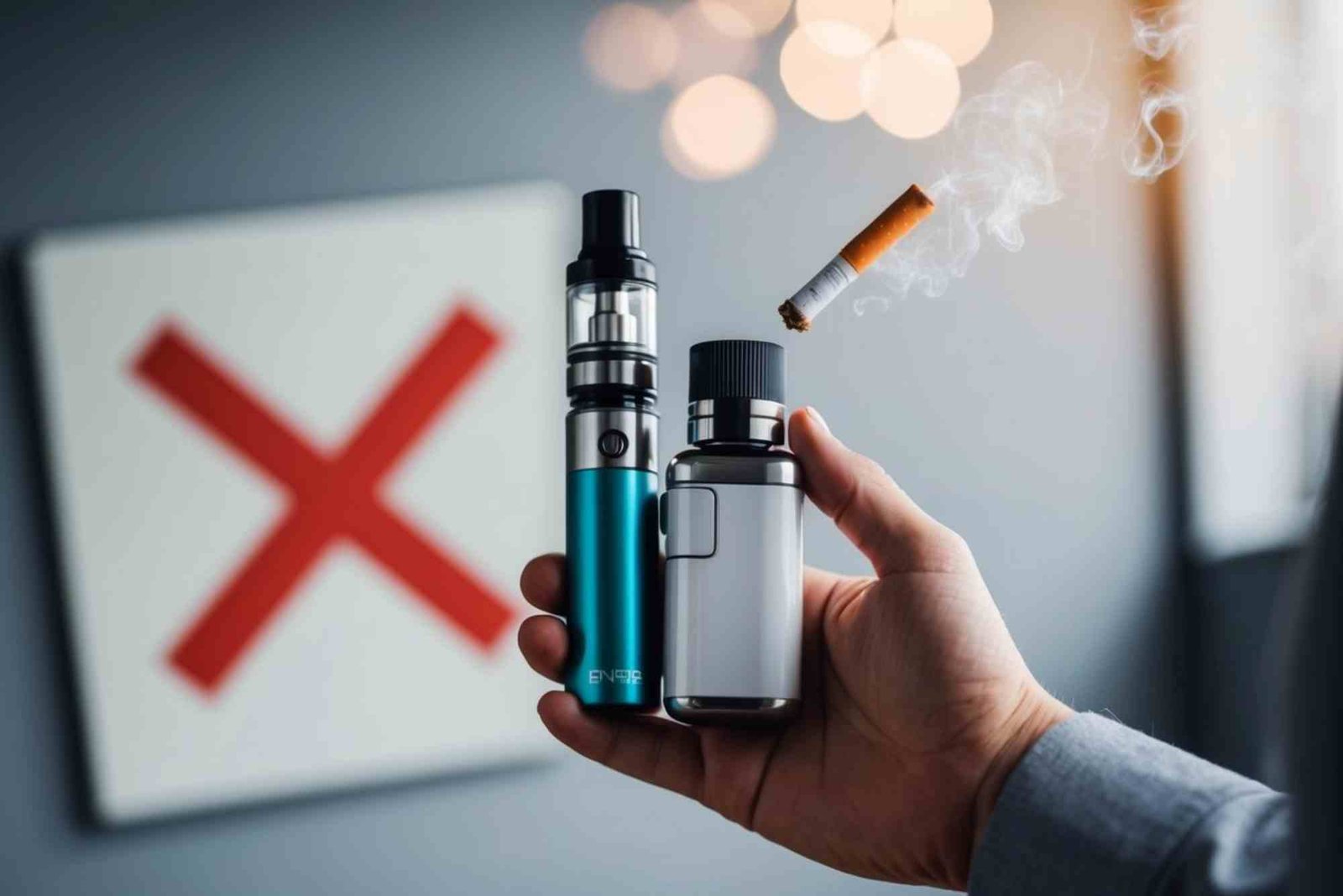
Vaping devices do not burn tobacco. Instead, they heat a liquid to produce aerosol. That aerosol typically contains fewer harmful chemicals than cigarette smoke. For a smoker choosing between combustible cigarettes or a vaping device, the latter might reduce exposure to certain toxins. This possibility underpins arguments for vaping as part of a harm reduction strategy.
The Indoor Air Challenge
Aerosol Particles: What Happens When You Vape Indoors
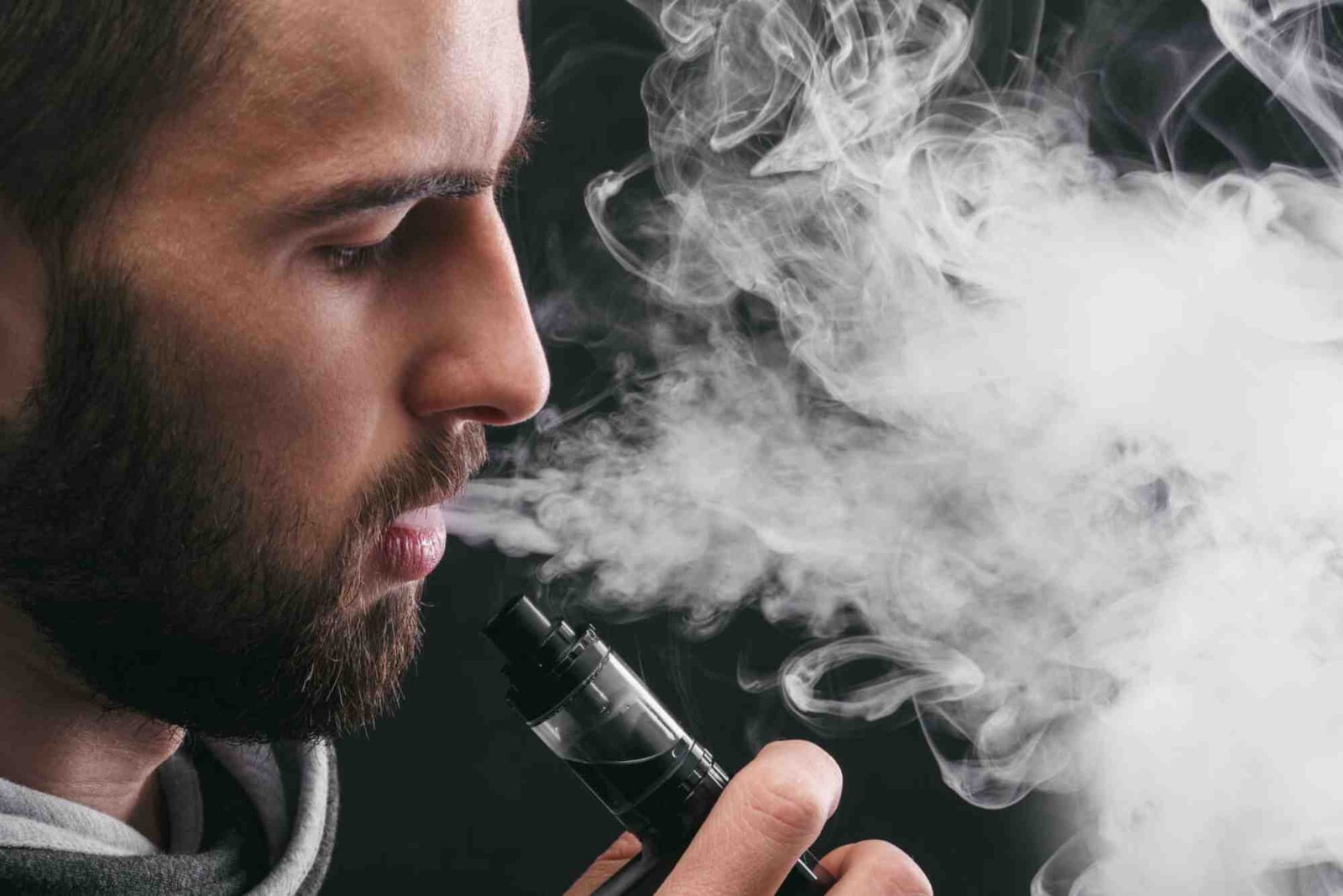
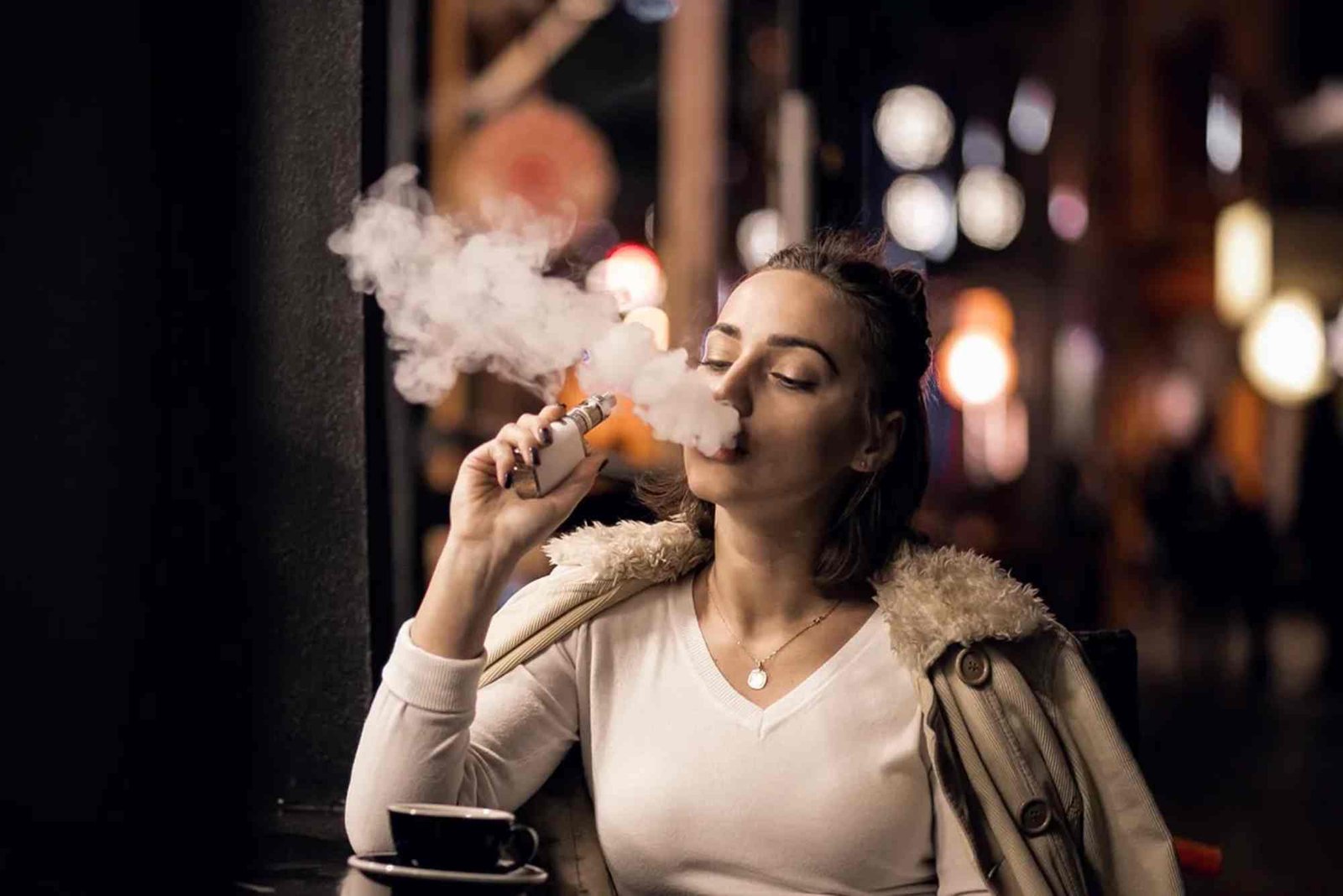
When someone vapes indoors, the aerosol spreads into the surrounding air. Despite lacking many combustion products, the aerosol still carries ultrafine particles and nicotine. These particles can linger in the air and deposit on surfaces. Non‑vapers in the space may inhale these particles, potentially experiencing unintended exposure.
Vulnerable Groups: Children, Pregnant Individuals, and People with Lung Conditions
Exposure to secondhand aerosol becomes more concerning when vulnerable individuals share the space. Children, pregnant people, and individuals with asthma or other respiratory issues may experience irritation or other effects from passive exposure. Harm reduction aims not only to reduce harm for users but also to protect bystanders — a principle tested when vaping indoors.
Policy Approaches: Indoor Air Regulations
Role of Public Health Agencies and National Policies
Countries vary widely in how they regulate vaping indoors. Many adopt the same restrictions for vaping as for smoking. Others offer some leniency, allowing vaping in private homes or designated areas. Still, public health agencies often warn about indoor aerosol exposure.

Key institutions such as WHO & national indoor air policies recommend caution. They highlight evidence that aerosol emissions may harm indoor air quality. Their guidance often supports treating vaping similarly to smoking in indoor public spaces.
Why Some Venues Ban Vaping Indoors
Venues ban vaping indoors for several reasons. First, maintaining good indoor air quality protects all occupants. Second, visible vaping can encourage others to vape or to smoke. Third, enforcement is simpler when a single indoor‑air policy applies to both smoking and vaping. These factors make bans more practical and protective.
Weighing Harm Reduction vs. Indoor Air Safety
Potential Benefits and Real‑World Tradeoffs
On one hand, vaping can reduce exposure to many harmful chemicals for the user compared to smoking. On the other hand, vaping indoors could inadvertently expose others to aerosol particles. From a harm reduction perspective, protecting only the user isn’t enough if bystanders risk exposure.
Moreover, harm reduction aims to balance realistic behavior with practical protection for everyone. If a user vapes in isolation outdoors, the benefit appears strong. But indoors, the tradeoff between user benefit and public exposure becomes complicated. Context matters more than the device.
Situations Where Indoor Vaping Might Be More Acceptable
There may be restricted circumstances where vaping indoors aligns more with harm reduction. For instance, in a private home where everyone consents, and ventilation is good. Or when a former smoker uses vaping temporarily while quitting, and ensures windows are open. Yet even then, consideration for others is critical. Transparency and respect for co‑occupants remain central.
Scientific Evidence: What Studies Show
Indoor Aerosol and Air Quality Impact
Research measuring indoor aerosol particles finds that vaping raises fine particulate matter (PM2.5) levels. These levels sometimes approach those from secondhand smoke. Nicotine and volatile organic compounds also appear in indoor air during vaping sessions. Although not identical to cigarette smoke, the aerosol is not harmless.
Additionally, some studies detect residual chemicals on indoor surfaces after vaping. These “third‑hand” residues can degrade indoor air quality over time. While long‑term health impact remains uncertain, the evidence signals caution.
Health Effects on Non‑Vapers: What We Know — and Don’t Know
Studies on bystanders of vaping remain limited. Short‑term effects may include throat or eye irritation, but long‑term risk estimates are uncertain. Because vaping is relatively new, data does not yet match decades of research on secondhand smoking.
Nevertheless, health authorities recommend erring on the side of caution. Until more is known, minimizing bystander exposure inside seems prudent.
Social and Ethical Dimensions
Respect for Shared Spaces and Social Norms
When people share indoor spaces — apartments, offices, restaurants — decisions about vaping affect not just the user. Many individuals find aerosol odor unpleasant or feel uneasy about possible exposure. Social etiquette and respect for others’ health often favor smoke‑free and vape‑free indoor policies. Such norms reinforce community comfort and public health.
Equity and Vulnerable Populations
Indoor vaping disproportionately affects individuals with less control over their environment. Children, housemates, or employees may have little choice. A harm reduction approach should consider fairness. Protecting the entire community helps prevent unintentional harm to those unable to choose fresh air.
Practical Guidance for Individuals
What to Do If You Vape and Want to Practice Harm Reduction
If you vape, consider doing so outdoors or in well‑ventilated areas. Open windows and use fans. Check whether others in the space are comfortable with vaping. Inform them and get consent. Avoid vaping near children or people with respiratory sensitivities.
If you’re trying to quit smoking via vaping, aim to eventually vape outdoors or quit vaping as well. Reduce indoor vaping over time. This approach minimizes exposure to others and aligns better with harm reduction ethics.
What to Do If You Don’t Vape but Share Indoor Spaces
If you share indoor spaces with vapers, speak openly and kindly. Request vaping outdoors or in designated rooms. Suggest setting clear house rules about vaping indoors. After all, protecting air quality benefits everyone.
Exploring whether vaping allowed indoors in the context of harm reduction reveals a complex balance. Vaping can reduce harm for smokers. Yet indoor vaping affects air quality and may impact bystanders. Given limited long‑term data, treating indoor vaping with the same caution as smoking seems wise.
If you do vape, try to avoid indoor vaping or ensure proper ventilation. If you share space with others, respect their air and health. Ultimately, harm reduction works best when it protects everyone — not just the user.
Call to action: If you care about indoor air quality and community health, talk to friends and family about vaping habits. Promote open conversation and thoughtful spaces. Share this article to spread awareness about indoor vaping and harm reduction.
FAQs
Is vaping allowed indoors at home?
It depends on house rules and consent. Technically, vaping indoors is possible. However, aerosol lingers, and bystanders may inhale particles. For harm reduction and courtesy, many choose to vape outdoors or in well‑ventilated spaces.
Can secondhand vape harm others?
Research shows indoor vaping raises fine particulate matter and nicotine levels. Some people may experience throat or eye irritation. While long‑term effects remain uncertain, exposure is not harmless. For now, treating vaping aerosol like secondhand smoke is safer.
Does vaping smell less than smoking indoors?
Yes, vaping usually smells less intense than cigarette smoke. But odor perception varies. Some people find the smell unpleasant. Even if it seems mild, aerosol particles remain in air and surfaces.
Do public vaping bans apply indoors?
Many countries equate indoor vaping with smoking. Public venues often ban both. Policies come from organizations like WHO & national indoor air policies. If a venue prohibits smoking indoors, vaping may also be restricted.
Can vaping help smokers quit if done indoors?
Vaping can help some smokers transition away from cigarettes. Yet vaping indoors may affect others. If you vape indoors to quit smoking, ensure good ventilation. Ideally, restrict vaping to outdoors to protect others’ health.
